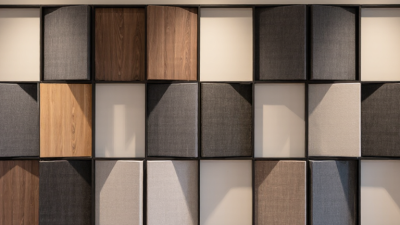

Please ensure Javascript is enabled for purposes of website accessibility

2026 Top Types of Acoustic Wall Panels UK Buyers Need

In 2026, acoustic wall panels UK buyers need will be judged by more than appearance. Offices, schools, restaurants, and home studios now demand quieter, healthier spaces. Echoes remain noticeable in glass meeting rooms, brick cafés, and open-plan offices with hard floors.

The UK Department for Education’s Building Bulletin 93 links classroom design with indoor ambient noise and reveration control. The World Health Organization’s Environmental Noise Guidelines for the European Region also connect excessive noise exposure with sleep disturbance, annoyance, and wider health concerns. These reports do not recommend one universal panel. They underline a practical point: room function, occupancy, and reverberation time must guide product selection.

Professor Trevor Cox, a leading UK acoustics researcher, has often warned that “we only notice acoustics when it goes wrong.” That observation fits today’s buying decisions. PET felt panels can reduce reflections while adding colour. Fabric-wrapped panels suit offices and hospitality interiors. Slatted timber systems offer warmth, but their acoustic backing matters. Perforated wood panels can balance visual quality with sound absorption. Wood wool panels may suit larger commercial spaces, although their texture will not appeal to every client.

No panel solves every room.

Buyers should request laboratory absorption data, normally reported by ISO 354 or related testing standards. They should also check fire performance, cleaning requirements, recycled content, mounting details, and expected durability. A bold product photograph proves very little. Site measurements are better. Even then, predictions can be imperfect. That uncertainty deserves attention, especially when choosing acoustic wall panels UK for mixed-use buildings with changing occupancy and furniture layouts.
2026 Top Types of Acoustic Wall Panels UK Buyers Need

What Acoustic Wall Panels Are and Why UK Buyers Need Them in 2026

Acoustic wall panels are engineered surfaces that reduce reflected sound inside a room. They usually contain porous cores, recycled fibres, timber details, or fabric coverings. Instead of blocking every outside noise, they absorb part of the sound energy that hits the wall. The room feels calmer. Speech becomes easier to follow.

A practical assessment starts with the room’s size, hard surfaces, occupancy, and noise source. In a UK home office, panels can soften keyboard sounds and reduce voice reflections during video calls. In classrooms, meeting rooms, restaurants, and open-plan workplaces, they can help control reverberation. This matters in 2026, as flexible working and compact interiors continue to place more pressure on shared spaces. However, panels are not a complete soundproofing solution. They will not stop traffic noise through a poorly sealed window.

UK buyers should examine tested absorption data, including the weighted sound absorption coefficient, often shown as αw. Installation coverage matters too. A few decorative panels may look impressive but achieve limited acoustic improvement. Check the substrate, moisture resistance, cleaning needs, and documented fire performance for the intended building. For commercial projects, request clear technical sheets and installation guidance.

It is easy to overestimate appearance.

A balanced choice also considers embodied materials and replacement needs. Recycled content can be useful, but it should not replace evidence of durability or safe performance. In practice, the best panel is not always the thickest one. Room measurements and honest expectations still matter. Even experienced buyers can misjudge an unusually lively room.

2026 Top Types of Acoustic Wall Panels UK Buyers Need - What Acoustic Wall Panels Are and Why UK Buyers Need Them in 2026
Acoustic Wall Panel Type Typical Construction Typical Acoustic Performance Best UK Applications Main Benefits Important Buying Checks
Fabric-Wrapped Absorber Panels Porous mineral wool or glass-fibre core enclosed in an acoustically transparent fabric. High mid- and high-frequency absorption; performance commonly improves when an air gap is left behind the panel. Laboratory ratings should be checked under BS EN ISO 354 or an equivalent method. Open-plan offices, meeting rooms, classrooms, libraries, restaurants and home offices. Strong speech-clarity improvement, wide decorative choice and the option to print graphics or use custom colours. Request fire classification, core density, cleanability, impact resistance and test data for the complete panel system.
PET Felt Panels Lightweight porous felt made from compressed polyester fibres, often containing recycled content. Good absorption across speech frequencies; thicker panels and rear air cavities generally provide better low-frequency performance. Workplaces, education facilities, call rooms, healthcare interiors and residential rooms. Low weight, easy cutting, strong design flexibility and suitability for shaped or modular wall features. Check reaction-to-fire classification to BS EN 13501-1, recycled-content evidence, edge finish and resistance to moisture or staining.
Wood Slat Acoustic Panels Timber or wood-look slats fixed over an acoustic felt layer and usually a sound-absorbing backing. Combines sound diffusion and absorption; results depend heavily on slat spacing, backing material, thickness and installation gap. Reception areas, boardrooms, hospitality venues, dining spaces and feature walls in homes. Warm visual appearance, partial sound scattering and a practical way to combine interior design with acoustic treatment. Confirm the fire performance of the full assembly, veneer or finish durability, slat spacing, backing depth and maintenance requirements.
Perforated Wood or Micro-Perforated Panels Perforated timber or wood-based facing installed over an absorbent cavity or acoustic backing. Can provide balanced absorption while retaining a robust timber finish; low-frequency results depend on cavity depth and panel design. Auditoria, music rooms, cultural venues, premium offices and public interiors requiring durable finishes. Durable appearance, architectural integration and potential for more controlled reverberation than hard unperforated timber surfaces. Ask for frequency-band test results, substrate details, fire classification, access requirements and cleaning instructions.
Acoustic Foam Panels Open-cell polyurethane or melamine foam with a profiled, wedge, pyramid or flat surface. Effective mainly at mid and high frequencies; thicker foam and spaced installation are needed for better lower-frequency absorption. Recording rooms, broadcast spaces, equipment rooms and controlled technical environments. Lightweight, easy to install and useful where technical acoustic treatment is more important than a formal interior finish. Do not assume all foam is suitable for UK commercial interiors; verify reaction-to-fire performance, smoke behaviour, UV stability and fixing method.
Acoustic Wall Baffles and Vertical Fins Vertically suspended or wall-mounted absorptive elements made from felt, fibreboard or other porous materials. Provides additional exposed surface area and can absorb sound from more than one direction; effectiveness varies with spacing and orientation. Large offices, atria, sports facilities, education buildings and rooms with limited wall area. Useful where conventional flat wall coverage is restricted; can also divide zones without building a solid partition. Check fixing loads, ceiling or wall structure, sprinkler and lighting clearances, cleaning access and fire documentation.
Acoustic Art and Printed Panels Absorbent panel core finished with acoustically transparent printed fabric or a direct-printed porous surface. Acoustic performance is generally comparable to the underlying absorber, provided the printed finish does not block airflow. Schools, healthcare settings, offices, hospitality areas and public buildings needing visual wayfinding or branding-free artwork. Combines reverberation control with decoration, educational graphics or wayfinding without using hard framed artwork alone. Confirm acoustic transparency of the face, colour fastness, wipe-clean properties, image resolution and fire classification.
Bass-Trap and Low-Frequency Panels Thick porous absorbers, membrane systems or corner-mounted units designed to address lower-frequency energy. More effective at low frequencies than thin decorative panels; performance must be assessed using frequency-by-frequency test data rather than a single rating. Music practice rooms, home cinemas, recording spaces, lecture rooms and rooms with noticeable bass build-up. Helps reduce uneven bass response and excessive reverberation that standard thin wall panels may not solve. Check thickness, cavity depth, target frequency range, room measurements and whether the product is tested as a complete installed system.
UK buyer guidance for 2026: Acoustic wall panels primarily reduce reverberation and reflected sound inside a room; they do not automatically provide sound insulation between rooms. Compare independent laboratory data, installation conditions and frequency-band results. For UK projects, also review the applicable requirements of Building Regulations, including Approved Document B where fire safety is relevant, and request the reaction-to-fire classification for the complete installed assembly.

The Main Types of Acoustic Wall Panels Available in the UK

2026 Top Types of Acoustic Wall Panels UK Buyers Need

The Main Types of Acoustic Wall Panels Available in the UK

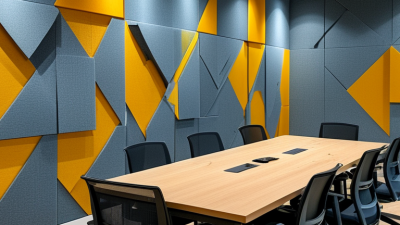
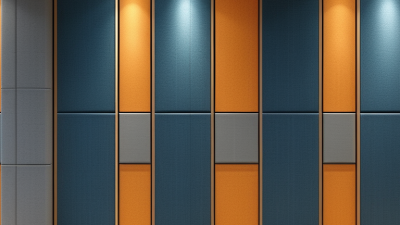
UK buyers can choose from several practical acoustic wall panel types. Fabric-wrapped mineral wool panels provide strong absorption across speech frequencies. They suit meeting rooms, classrooms, studios, and open-plan offices. PET felt panels are lighter and often contain recycled fibres. Their coloured surfaces can create softer visual zones around desks or corridors.

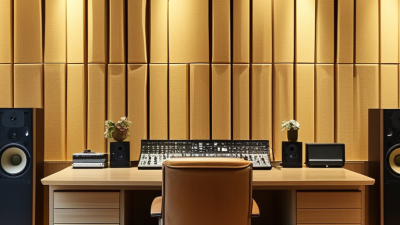
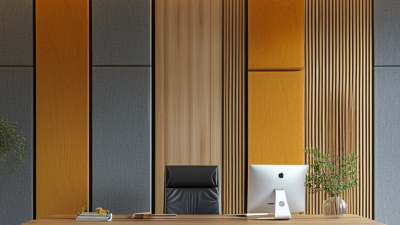
Timber slat panels combine a decorative wood finish with an acoustic backing layer. They reduce reflections while adding warmth to restaurants, reception areas, and home offices. Perforated timber and gypsum panels offer another route. Their small openings allow sound energy to reach the absorber behind the surface. Some systems also use microperforated faces without visible fabric. Appearance alone proves little.

The World Health Organization’s Environmental Noise Guidelines for the European Region recommends indoor bedroom noise below 30 dB LAeq for good sleep. Wall panels cannot achieve this target alone, but they can reduce reverberation and improve speech clarity. UK projects should check laboratory results tested under BS EN ISO 354. Fire performance also matters, with classification commonly assessed under EN 13501-1. Approved Document E and BB93 remain useful references for residential and educational spaces.

I would not specify panels from photographs alone. Ask for absorption coefficients, fire classification, panel thickness, and installation details.

A thin PET panel may look excellent but perform modestly at low frequencies. Conversely, a thicker mineral wool panel may appear less refined. That trade-off deserves honest review.

How Each Panel Type Controls Sound in Different Spaces

Acoustic wall panels control sound differently, so UK buyers should match the panel to the room’s noise pattern. Fabric-wrapped mineral wool panels usually absorb mid and high frequencies well. They suit meeting rooms, classrooms, and open offices where speech clarity matters. Their porous core catches reflected voices before sound bounces across hard walls. Perforated wood panels add a warmer finish, but their absorption depends on the backing cavity and perforation design. They may look impressive. Performance still needs testing.

PET felt panels are lightweight and useful for corridors, breakout areas, and home offices. They reduce sharper reflections, although thin panels may struggle with low-frequency noise. Hanging baffles and acoustic clouds control sound from the ceiling, not the wall. This helps restaurants, studios, and large offices with exposed concrete surfaces. A wall panel alone cannot solve footfall or mechanical noise.

The UK Department for Education’s BB93 guidance commonly places classroom reverberation targets around 0.6 to 0.8 seconds, depending on room size and use. That figure shows why visual appearance cannot replace acoustic measurement. ISO 354 laboratory testing reports sound absorption, while ISO 11654 converts results into practical ratings. The World Health Organization’s Environmental Noise Guidelines for the European Region links excessive noise with sleep disturbance and health risks. Better control supports concentration, but panel layouts are often guessed. Measure the room first. Then specify coverage, thickness, spacing, and ceiling treatment together.

2026 Top Types of Acoustic Wall Panels UK Buyers Need

How each panel type controls sound in different spaces

Fabric-wrapped panels

High absorption across speech frequencies, making them suitable for offices, meeting rooms and classrooms.

Timber slat panels

The acoustic backing absorbs sound while the slatted face adds controlled diffusion, helping reduce reverberation in living spaces and hospitality interiors.

PET felt panels

Lightweight and flexible, they are practical for open-plan offices, breakout areas and ceiling-to-wall acoustic treatments.

Fibreglass or mineral-wool panels

Their porous cores provide the strongest broadband absorption for studios, auditoria and spaces with demanding reverberation control.

Indicative representative NRC values for commonly specified panel constructions, measured under laboratory methods such as ASTM C423 or ISO 354. Actual performance depends on thickness, air gap, mounting method and room conditions.

Which Acoustic Wall Panel Materials Suit UK Interior Projects

Choosing acoustic wall panel materials for UK interiors requires more than checking sound absorption figures. The room’s use, humidity, cleaning demands, and fire performance all matter. PET felt panels suit offices, schools, and reception areas because they are lightweight, flexible, and available in many colours. They can soften speech and reduce harsh reflections. However, their textured surface may collect dust in busy corridors. Regular cleaning must be realistic.

Timber slat panels bring warmth to restaurants, hotels, meeting rooms, and residential schemes. A perforated or grooved timber face can work with an acoustic backing layer, improving reverberation without making the room feel industrial. Veneer requires careful specification near kitchens or damp entrances. Solid timber also changes slightly with moisture. That small detail is often missed.

Fabric-wrapped mineral wool panels provide strong absorption for conference rooms, music spaces, and open-plan workplaces. They are effective, but the fabric needs suitable stain resistance and a robust fixing method. In public projects, check reaction-to-fire classifications, installation details, and current UK building requirements before approval. Acoustic performance can also change after panels meet corners, furniture, or ceiling systems. No material performs perfectly everywhere. A practical sample test is wiser than relying only on a catalogue. One useful review question is simple: will the chosen finish still look and perform well after several years of everyday use?

How to Choose Panels by Room, Performance, Fire Safety and Budget

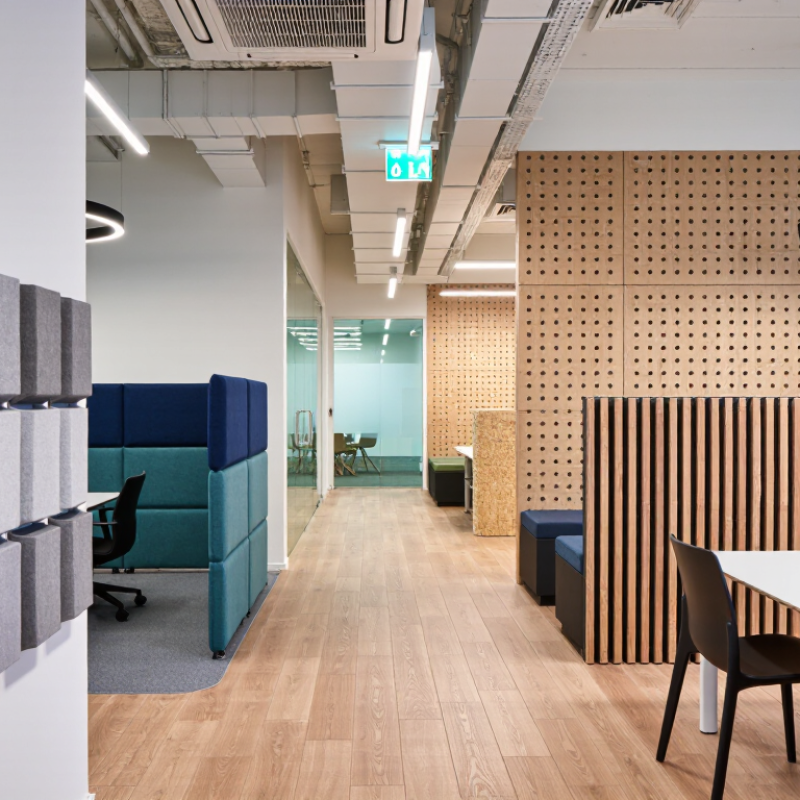
Choosing acoustic wall panels in 2026 starts with the room, not the product catalogue. In open-plan offices, PET-felt panels can reduce speech reflections and create quieter desk zones. Timber slatted panels add warmth, but their acoustic backing matters more than the visible finish. For meeting rooms, prioritise absorption around head height, especially behind speakers and opposite hard glass.

BB93 guidance commonly uses a 0.6-second reverberation target for standard classrooms up to 250 cubic metres. Measure first. A simple reverberation test can reveal whether the room needs panels, ceiling treatment, or better zoning.

Performance claims need careful checking. ISO 354 measures sound absorption in a reverberation room, while ISO 11654 converts results into absorption classes. These tests help, but they do not recreate every UK office or restaurant. The Leesman Index has repeatedly identified noise as a major workplace dissatisfaction factor, supporting investment in practical acoustic control.

Fire is different. Check the panel’s tested EN 13501-1 classification and compare it with the required rating under UK Building Regulations Approved Document B. Do not trust “fire resistant” alone.

Budget for installation, trims, maintenance, and wasted offcuts. Cheap panels may look efficient until they fail visually, acoustically, or during inspection. My own preference is to specify fewer, better-placed panels, though that judgement can be wrong in highly reflective rooms. Recheck the result after occupancy.