How to Choose the Best Acoustic Panels for Your Space?
Choosing the right Acoustic Panels can significantly enhance your space's sound quality. Renowned acoustics expert Dr. Emily Thompson emphasizes, "The right materials can transform an echoing room into a peaceful one." This insight is crucial as you explore various options.
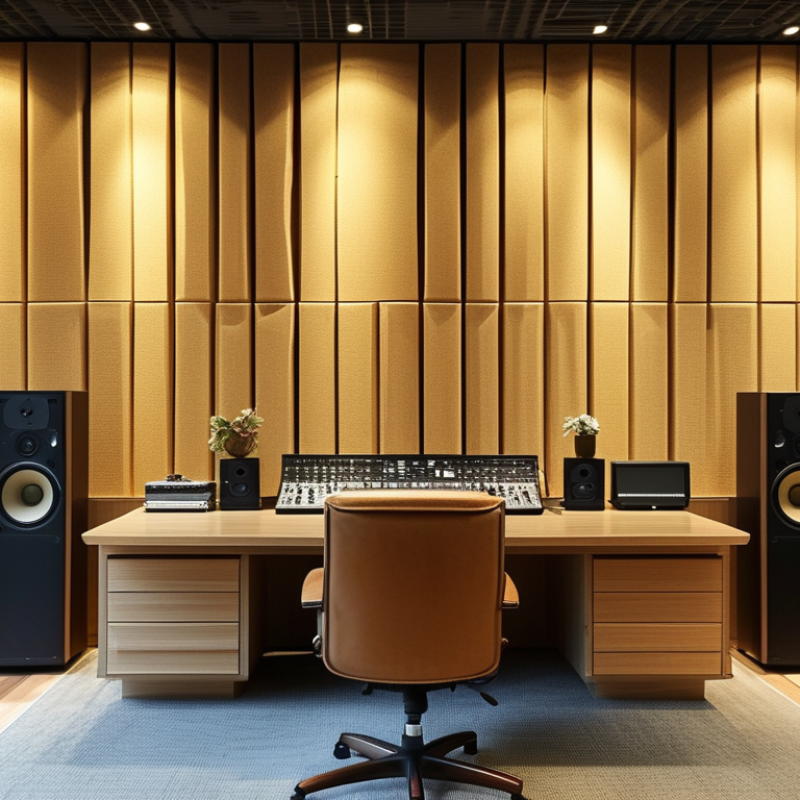
Acoustic Panels come in various shapes, sizes, and materials. Your specific needs will help guide your decisions. Consider your space's dimensions and the purpose of sound control. Will it be a studio, an office, or a home theater? Each environment has unique acoustical requirements.
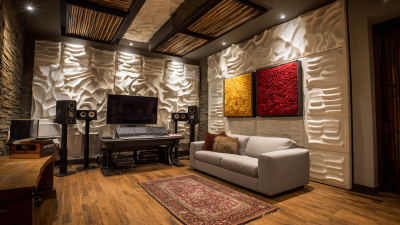
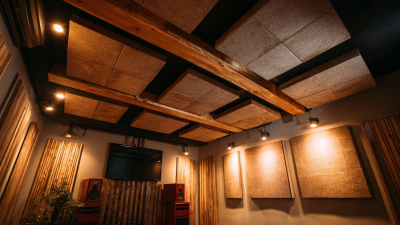
Many overlook the importance of aesthetics when selecting Acoustic Panels. Stylish designs can complement your décor while improving sound quality. Explore options that reflect your personal style. Remember, the goal is to find a balance between function and design. It's a process that often requires trial and error, leading to discoveries that perfect your acoustic environment.
What Are Acoustic Panels and Their Importance in Sound Absorption?
Acoustic panels are essential for managing sound in various environments. They help absorb sound waves, minimizing echo and background noise. This is crucial in places like studios, offices, and home theaters. Poor sound quality can disrupt discussions and hinder creativity. Using acoustic panels creates a more focused atmosphere.
When selecting acoustic panels, consider material, thickness, and placement. Different materials absorb sound differently. Some panels are more effective at lower frequencies, while others excel at higher frequencies. Thickness also matters. Thicker panels usually provide better sound absorption. Placement is key; improper positioning can reduce their effectiveness.
Many people overlook the aesthetic aspect of acoustic panels. They come in various designs and colors. This allows you to improve acoustics while enhancing your space's decor. Balancing functionality and style is not always easy. Experimenting with placement and sizes can lead to better sound control. It’s a learning process that requires patience and reflexivity.
How to Choose the Best Acoustic Panels for Your Space? - What Are Acoustic Panels and Their Importance in Sound Absorption?
Panel Type
Material
Thickness
Sound Absorption Coefficient
Best Use Case
Foam Panels
Polyurethane Foam
2 inches
0.9
Home Studios
Fabric Wrapped Panels
Mineral Fiber
1 inch
0.8
Offices
Wooden Panels
Plywood
1.5 inches
0.7
Recording Studios
Bass Traps
Fiberglass
4 inches
1.0
Music Production
Ceiling Tiles
Acoustic Mineral Fiber
1 inch
0.6
Commercial Spaces
Types of Acoustic Panels: Materials and Their Acoustic Properties
When selecting acoustic panels, understanding their materials and properties is essential. Common materials include foam, fiberglass, and mineral wool. Each offers unique sound absorption qualities. Fiberglass panels, for instance, are highly effective. Studies indicate they can absorb up to 90% of sound in certain frequencies, making them suitable for studios and control rooms.
Foam panels, while popular, may absorb less sound than fiberglass. A report from the Acoustical Society of America states that dimensionally unstable foam can become less effective over time. Mineral wool panels provide excellent thermal insulation, in addition to soundproofing. However, they can be more challenging to install due to their weight and fragility.
The choice of material should reflect your specific needs. Assessing the sound frequencies most prominent in your environment can guide your decision. Consideration of aesthetics is also important. Some materials, like fabric-covered panels, offer both visual appeal and acoustic benefits. Selecting the right panel involves weighing these factors carefully. Your space's acoustics will not improve with a simple choice. Engaging with audio professionals can provide clarity.
Assessing Room Size and Shape for Optimal Acoustic Panel Placement
When selecting acoustic panels, room size and shape significantly impact their effectiveness. A large, open room requires different panel placements than a small, cozy space. According to the Acoustical Society of America, optimal sound absorption occurs when panels cover about 15-30% of total wall area. This percentage creates a balance that minimizes echoes without making the space feel too absorbent.
For rectangular rooms, straight panel arrangements work best. Additionally, placing panels at various heights can enhance sound control. Irregular spaces might benefit from strategic placement in corners and on multiple walls. This helps to address bass buildup, a common issue in uneven rooms.
Tips: Assess your room’s dimensions carefully before purchasing. Measure wall and ceiling spaces. Consider how furniture affects sound flow. Experiment with panel positions to find the best results. Don’t be afraid to adjust based on what sounds best to you. Acoustic treatment is often an iterative process, requiring reflection on changes in sound quality. Make choices that feel right for your environment.
Evaluating NRC Ratings: Choosing Panels with Effective Sound Control
Choosing the right acoustic panels is crucial for sound control in any space. One key factor to consider is the
Noise Reduction Coefficient (NRC) rating. This rating measures how effectively a panel absorbs sound.
Panels with higher NRC values are generally more effective, but this isn't the only consideration.
When evaluating NRC ratings, examine the specific frequencies at which a panel performs best. Not all panels will absorb sound equally across all frequencies.
For example, a panel with a high NRC might excel at mid-range frequencies but may not be as effective at low or high frequencies.
It's essential to choose panels that meet the specific acoustic needs of your room.
While NRC ratings offer valuable insights, they shouldn't be the sole metric for decision-making. Consider the
material, thickness, and installation method of the panels. Sometimes, the aesthetics of the panel may clash with functionality.
Reflect on the balance between sound control and design. This complexity can lead to difficult choices, but careful evaluation
will yield better results. Aim for a harmonious space where sound clarity meets visual appeal.
Cost Factors in Acoustic Panel Selection: Budgeting for Quality Solutions
When selecting acoustic panels, cost factors play a significant role. High-quality panels can vary greatly in price. Understanding your budget is essential to finding effective solutions. Inexpensive options may not provide the desired sound absorption. Investing a bit more could lead to better acoustics and a quieter environment.
Material choice greatly impacts cost. Some acoustic panels use foam, while others utilize fabric-wrapped panels. Foam may be cheaper but might not last as long. Fabric-wrapped options, though pricier, tend to be more durable and effective. Assess your space’s unique needs to justify your choice. Cheaper materials may require replacements sooner, leading to higher long-term costs.
Do-it-yourself acoustic panels can be an option for those on a tight budget. However, this route often compromises quality. It’s crucial to weigh the time and effort spent against the benefits. Seeking professional advice can help refine your choices. Consulting with acoustic specialists provides insights into what will work best for your room. Balancing cost and quality ensures optimal sound management.