2026 Best Soundproof Wall Panels for Global Buyers?
Choosing the right soundproof wall panels in 2026 requires more than comparing colors, prices, and online ratings. Global buyers need practical evidence, accurate specifications, and realistic acoustic expectations. A panel that looks dense may absorb echo without blocking voices from neighboring rooms. That difference matters.
This guide examines soundproof wall panels through professional and real-world criteria. It considers acoustic absorption, construction quality, installation methods, fire performance, moisture resistance, and environmental claims. Laboratory reports can reveal useful data, including NRC or related absorption results. However, test conditions may not match a busy office, recording room, hotel, or home theater. Room size matters. Wall structure matters more.
Reliable purchasing also depends on regional requirements. Buyers should check local building codes, supplier documentation, warranty terms, and replacement availability. Imported products may face longer shipping times or limited technical support. Some decorative panels use recycled fibers, wood surfaces, or fabric coverings, but sustainability claims still require verification. Ask for clear material details and formal test records.
Small details affect performance. Poorly sealed edges can reduce the value of an expensive installation. Incorrect spacing may change how sound behaves across the wall. Even experienced buyers can overlook these issues. I have found that visual appeal often wins the first inspection, while installation quality determines long-term satisfaction. This guide may not solve every room problem, but it offers a careful framework for comparing products honestly. Practical testing remains essential. Listen, measure, and question impressive claims before making a global purchase.
What Are Soundproof Wall Panels and How Do They Work?
Soundproof wall panels are building products designed to reduce unwanted noise through walls. In practice, many panels mainly absorb sound rather than block it completely. They soften echoes, speech, and sharp sounds inside a room. True sound isolation also depends on wall mass, airtight joints, insulation, and structural design. This distinction matters. A thin decorative panel cannot stop heavy traffic noise by itself.
The panels work by converting some sound energy into small amounts of heat. Porous materials trap moving air and weaken reflections. Slatted or textured surfaces scatter sound across the room. During installation, contractors should cover reflective areas while avoiding gaps around edges, sockets, and doors. A small opening can reduce performance noticeably. Room tests are useful, but results may change with furniture, ceiling height, and humidity.
Tips: Check the panel’s absorption rating, thickness, density, and fire classification before purchasing. Ask for laboratory data, not only marketing claims. Measure the wall and plan the fixing method carefully. Adhesive may be unsuitable for heavy panels or damp rooms. I have found that treating one wall rarely solves every noise problem. Start with the main reflection points, then reassess the room by listening from several positions.
2026 Best Soundproof Wall Panels for Global Buyers
Soundproof wall panels are designed to reduce reflected sound and reverberation inside a room. The chart shows representative sound absorption coefficients for a 50 mm porous acoustic wall panel across standard octave-band frequencies. Higher values indicate stronger absorption; actual performance varies with panel thickness, mounting method, air gap, and laboratory testing conditions.
Key Types of Soundproof Wall Panels for Different Noise Problems
Choosing soundproof wall panels starts with identifying the noise problem, not the room’s decoration. For speech, office chatter, and hard-surface echoes, porous panels made from mineral fiber, fiberglass, or recycled polyester are practical choices. Their open structure absorbs mid and high frequencies. ASTM C423 laboratory testing reports sound absorption through the Noise Reduction Coefficient, or NRC. Panels rated around NRC 0.75 or higher can noticeably reduce reverberation when coverage is sufficient.
Low-frequency noise needs a different response. Traffic rumble, machinery vibration, and bass energy can pass through lightweight walls. Resonant or membrane panels are more suitable here because they target selected low-frequency ranges. They work best when engineers match the panel system to measured noise data. Guessing from human hearing alone is unreliable. It often misses the deepest vibration.
For airborne noise between rooms, absorptive panels alone are not enough. Mass-loaded barriers, sealed joints, resilient channels, and added wall layers address transmission more effectively. ISO 354 measures sound absorption in reverberation rooms, while ISO 10140 evaluates sound insulation through building elements. These are different tests. Buyers should not confuse a high absorption rating with a high sound transmission class. The World Health Organization’s 2018 environmental noise guidelines recommend nighttime road-traffic exposure below 45 dB Lnight, showing why quiet interiors matter for sleep. In real projects, panel placement, gaps, wall construction, and installation quality can change results substantially. The specification may look excellent on paper. The room can still disappoint.
How to Choose Panels by Material, Performance, and Room Requirements
2026 Best Soundproof Wall Panels for Global Buyers?
How to Choose Panels by Material, Performance, and Room Requirements
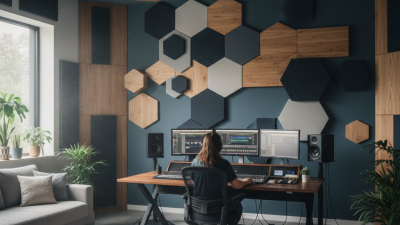
Choosing wall panels starts with the room, not the product photograph. A home office, recording room, hotel corridor, and factory control room have different acoustic problems. Measure the room’s size, surfaces, noise sources, and daily use. A bare concrete wall reflects voices sharply. A thin partition may also allow noise to pass through.
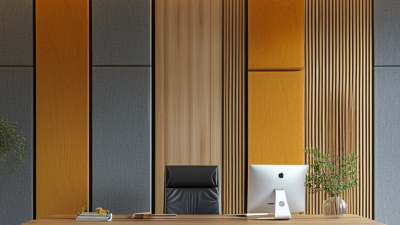
Material affects both performance and maintenance. Fabric-wrapped mineral fiber panels usually absorb mid and high frequencies effectively. PET-based panels are lightweight, easy to shape, and suitable for offices or classrooms. Wood-faced systems can improve visual warmth, but their open structure and backing determine actual absorption. Foam may reduce echoes, yet it rarely provides true sound isolation by itself. That distinction is often misunderstood.
Check tested absorption data, such as the noise reduction coefficient, but do not treat one number as the whole answer. Low-frequency noise from machinery or subwoofers may require thicker panels, air gaps, or added wall mass. Fire performance, moisture resistance, cleanability, and installation access also matter across different climates. Confirm recognized test reports and local building requirements before ordering.
I once selected panels mainly for appearance. The room looked better, but speech remained unclear. That mistake changed my process. Use acoustic measurements when possible, and leave room for imperfect results. Doors, ceilings, ventilation, and gaps can weaken a carefully chosen wall treatment. Global buyers should also verify packaging, replacement parts, technical support, and installer experience before shipment.
Installation Methods for Residential, Commercial, and Industrial Spaces
Choosing the best soundproof wall panels in 2026 starts with the room, not the product label.
In homes, acoustic panels can reduce echo in bedrooms, offices, and media rooms. They do not fully block outside noise. Install them on clean, dry walls with adhesive or mechanical fasteners. Use fasteners for heavier panels. Leave small gaps near corners. Rental rooms may need removable strips, but these offer less stability. Measure twice. Cutting errors are costly.
Commercial installation demands better planning.
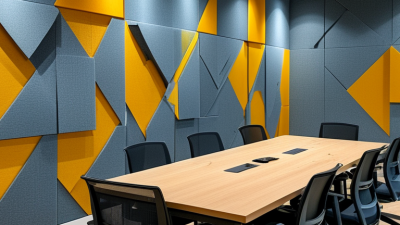
In meeting rooms, mount panels at ear level to control speech reflections. In restaurants, combine wall panels with ceiling treatment to soften plates, voices, and equipment noise. A suspended rail system allows easier maintenance than permanent bonding. Check the wall structure before drilling. Fire performance, moisture resistance, and cleaning requirements should match the building’s use. A rushed installation can create uneven gaps and visible seams.
Industrial spaces need a stronger method.
Install panels over secure framing, especially near machinery or loading areas. Add vibration-resistant fasteners where equipment causes movement. Protective surface layers can help in dusty workshops, but they may reduce sound absorption slightly. Keep panels away from heat sources and moving parts. Experienced installers should inspect airflow, access routes, and local building requirements. Even careful plans fail when workers ignore wall moisture. That detail deserves a second check.