

10 Sound Proof Foam Buying Tips for Better Noise Control
A room can feel harsh even when its measured noise level seems modest. Voices bounce off bare walls, making calls tiring and music less clear. Sound proof foam may help control these reflections, but the name can create unrealistic expectations. Most acoustic foam absorbs some sound inside a room; it does not fully block noise passing through walls, doors, or windows. That distinction matters.
Choosing panels takes more than picking a color or the lowest price. Check the foam’s thickness, shape, coverage area, and published acoustic performance. Compare those details with the room’s size and main problem. A few thin squares may soften echoes near a desk, yet leave a large, lively room unchanged. Placement matters, too. Panels near strong reflection points can be more useful than scattered pieces. Look for clear product specifications and installation guidance. If fire-safety information is missing, ask the seller before buying.
Think about practical details. Will adhesive damage painted drywall? Can the panels be cleaned? Do they suit a home office, studio, or shared living space? A small test area can reveal whether the finish and effect work for you. Results vary. Foam may reduce sharp reflections without quieting a neighbor’s television or street traffic. That can feel disappointing if expectations are too high. These ten buying tips focus on matching the product to the problem, checking reliable specifications, and planning realistic coverage before you spend.
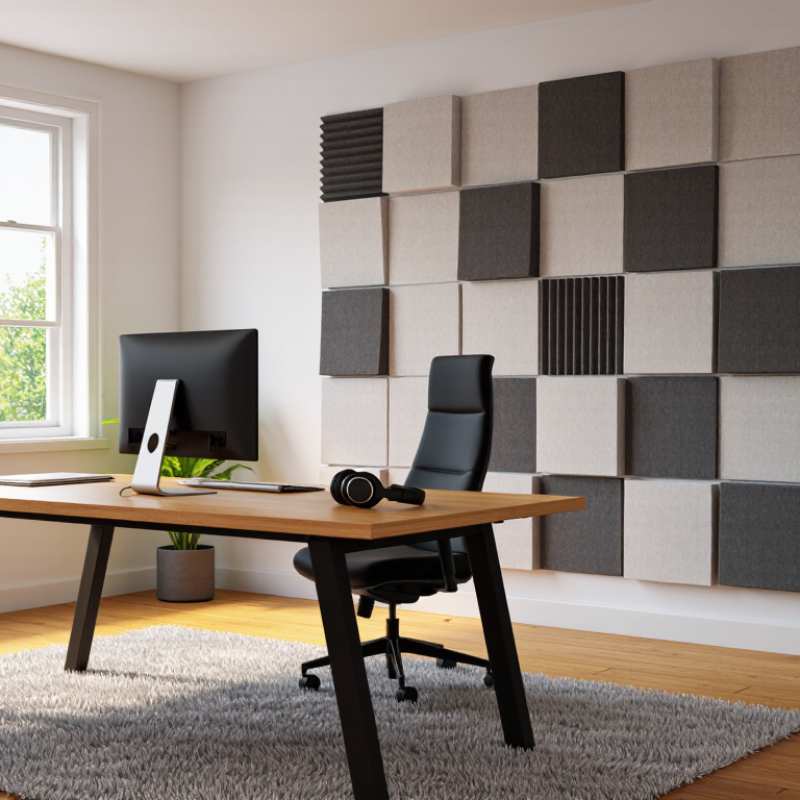
Identify the Noise Problem and Your Sound Control Goals
Before buying foam, identify what you hear and where it comes from. A hollow echo in a bedroom differs from traffic rumbling through a window. Clap once near the center of the room, then listen for a lingering ring. Notice whether speech sounds harsh, muddy, or simply too loud. Small details matter.
Sound-control goals should match the problem. Acoustic foam can reduce reflections and improve clarity, especially around a desk, microphone, or listening area. It usually does not block outside noise or stop sound from passing through walls. For that, gaps, doors, windows, and heavier construction may need attention. Foam is not a magic barrier.
Map the room before choosing panels. Note hard surfaces, such as bare walls, tile floors, and glass, and mark where sound feels strongest. A few panels near reflection points may help more than covering every wall. Take a quick recording before making changes, then compare it afterward from the same spot. Results can be subtle. It is easy to expect a dramatic drop in street noise; clearer speech may improve while traffic remains. That distinction can save money and set a more realistic target.
| No. | Buying Tip | What to Check | Practical Guidance |
|---|---|---|---|
| 1 | Identify the noise problem | Determine whether the main issue is room echo, loud speech, equipment noise, or sound passing through a wall, door, or ceiling. | Acoustic foam can reduce reflections inside a room. It generally does not block sound transmission through building structures. |
| 2 | Set a specific sound-control goal | Decide whether you want clearer speech, less reverberation for recording, or reduced noise reaching another room. | For echo control, consider absorptive panels. For sound isolation, investigate airtight sealing, added mass, and appropriate wall or door construction instead. |
| 3 | Assess the room before buying | Note room dimensions, hard surfaces, furnishings, and where sound reflections are most noticeable. | Large bare walls, ceilings, floors, and windows can contribute to reflections. A room’s furnishings and geometry affect how much treatment it may need. |
| 4 | Compare absorption information carefully | Look for test data such as an NRC rating, and check the test conditions and product thickness. | NRC is a laboratory measure of sound absorption across a limited frequency range. It is not a sound-blocking rating and does not guarantee the same result in every room. |
| 5 | Choose thickness for the intended use | Check the panel’s depth and any available frequency-dependent test results. | Porous absorbers generally work more effectively at lower frequencies when they are thicker or spaced away from a wall. Thin foam is mainly useful for reducing some mid- and high-frequency reflections. |
| 6 | Plan coverage and placement | Estimate the wall or ceiling area to treat and identify reflection points or areas near the sound source. | Coverage needs depend on the room and goal. Treating selected reflection areas can help clarity; covering a surface does not create a soundproof barrier. |
| 7 | Check fire and safety information | Review the product’s fire-test documentation, installation instructions, and any applicable local requirements. | Do not assume that all foam is fire-resistant. Keep treatment clear of heat sources, lights, and electrical equipment as directed by the manufacturer. |
| 8 | Review material and indoor-air details | Check the material description, odor guidance, cleaning instructions, and any available emissions or safety documentation. | Allow new materials to air out when instructions recommend it, and choose products suitable for the room’s intended use and occupants. |
| 9 | Confirm mounting and surface compatibility | Check the panel weight, mounting method, wall finish, and whether the installation can be removed without damage. | Adhesives may damage paint or wallpaper. Use a suitable mounting method and follow installation directions, especially for overhead panels. |
| 10 | Compare total cost and alternatives | Include the amount of material required, mounting supplies, installation effort, and any testing or documentation provided. | If the goal is better room acoustics, compare foam with thicker fabric-wrapped absorbers or other room treatments. If the goal is blocking outside noise, address gaps and structural paths first. |
Related Posts
-
7 Soundproof Foam Tips for Better Soundproofing?
-
Why Is Acoustic Foam Used?
-
2026 Best Sound Absorbing Foam for Global Buyers?
-
What Are the Top Types of Sound Absorbing Foam?
-
Why Soundproof Foam is Essential for Better Home Acoustics and Noise Control
-
Top 10 Advantages of Using Acoustic Foam for Soundproofing Your Space?