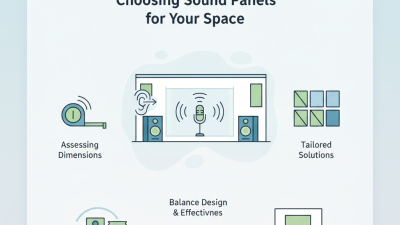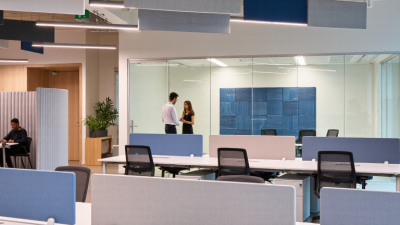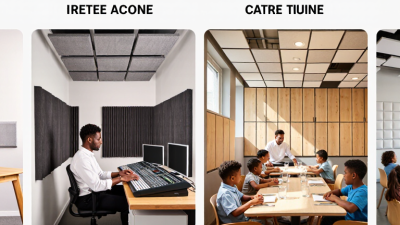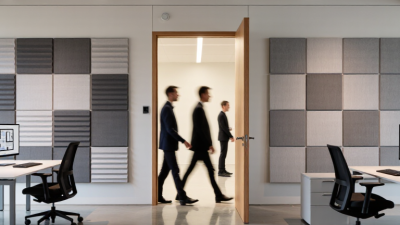

Choosing the best Sound Dampening Panels in 2026 starts with a simple question: what problem should they solve? Echo in a home office feels different from harsh reflections in a music room. Panels can absorb some sound inside a space, but they do not automatically block noise from a neighbor or street. That distinction matters. A thick panel may tame a fluttering echo between bare walls; a thin decorative tile may do very little.
Acoustics researcher Dr. Trevor Cox’s work offers a useful principle, paraphrased here: “Understand how sound behaves in the room before choosing treatment.” That is not a product endorsement. It is a reminder to look beyond marketing claims. This guide compares panel materials, thickness, coverage, mounting options, and published performance data. It also considers practical details: whether a panel fits above a desk, how its fabric handles daily wear, and whether installation leaves gaps. Small details count.
There is no universal winner. Room size, furnishings, listening position, and budget all change the result. Some recommendations may be less decisive than expected; product labels rarely tell the whole story. A useful comparison should make those limits clear, not hide them. The picks ahead focus on what panels can realistically improve—and where they fall short.
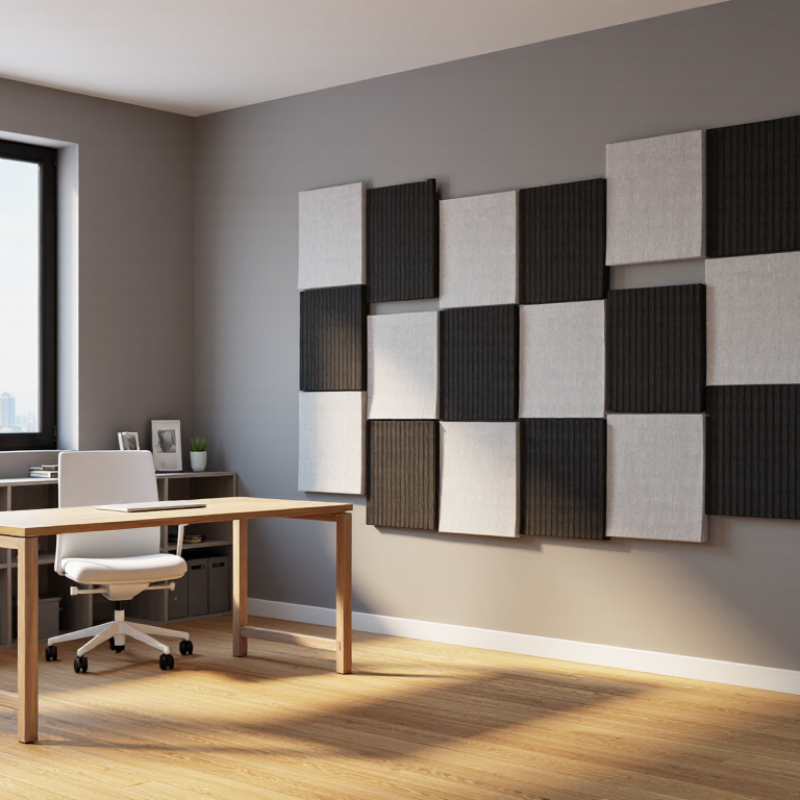
Sound-dampening panels reduce echoes and reflections inside a room. They are different from soundproofing materials, which aim to limit noise passing through walls or ceilings. Panels do not make a room silent. They make speech and music sound clearer by absorbing some sound energy before it bounces back.
Most panels use porous materials, such as mineral fiber or open-cell foam. Sound enters their tiny spaces, where friction turns a small amount of its energy into heat. Panel thickness, density, and placement all affect performance. Thin panels often absorb higher frequencies better than deep bass. Low-frequency problems may need thicker treatment, an air gap, or changes to the room itself.
Placement matters. A panel near a bare wall where sound first reflects can help reduce a sharp, hollow quality. Ceiling reflections can also affect voices, especially in rooms with hard floors and little furniture. A handclap can reveal obvious echo, but it is not a precise test. Listen from different seats, too. Sometimes a room feels clearer after treatment, yet still sounds uneven. That is a useful reason to adjust panel positions rather than cover every wall.
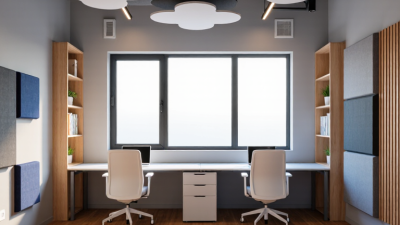
Sound-absorbing panels reduce reflections and reverberation inside a room. They do not necessarily block sound from passing through walls.
How to read the chart: NRC (Noise Reduction Coefficient) summarizes sound absorption across selected mid-range frequencies; higher values indicate greater absorption. The ranges below are indicative, not guaranteed product ratings. Actual performance varies with thickness, mounting, air gap, and test conditions. Check independent test results for a specific panel before comparing products.
How to Evaluate Panel Performance, Materials, and Cost
A high Noise Reduction Coefficient (NRC) can help compare panels, but it is not a complete buying guide. ASTM C423 measures sound absorption in a reverberation room; NRC summarizes results at 250, 500, 1,000, and 2,000 Hz. Ask for the full frequency-by-frequency test data, plus mounting details. A panel tested with an air gap may perform differently when fixed directly to a wall. Details matter.
Match the material to the room. Fiberglass and mineral-fiber panels are common choices for broad absorption, while fabric, thickness, and backing affect durability and appearance. For context, ANSI/ASA S12.60 sets a 0.6-second reverberation-time limit for certain small classrooms. That is a room target, not a guarantee from any single panel.
Not always obvious. Measure or estimate the room’s reverberation before choosing coverage.
Compare installed cost per square meter, not just the panel price. Include hardware, cutting waste, edge treatment, and any required backing. Request a written quote and test reports using ASTM C423 or ISO 354 methods. Then compare performance at the frequencies that matter in your space. I would still leave room for judgment: published lab results cannot fully predict a busy, furnished room.
Which Panel Types Suit Different Rooms and Noise Problems
Choose panels for the sound problem, not just the room’s appearance. In a home office, fabric-wrapped mineral wool or fiberglass panels can reduce speech reflections and make calls clearer. Place them on the wall behind your screen or at first-reflection points. For comparison, check the Noise Reduction Coefficient (NRC), measured using ASTM C423. NRC averages absorption across four midrange frequencies, so it does not describe bass performance.
For music rooms, rehearsal spaces, or rooms with a persistent low-frequency hum, thicker absorbers and corner bass traps are more suitable than thin decorative panels. They need careful placement. A small patch of foam may quiet echoes, but it will not block traffic or a neighbour’s television. The European Environment Agency’s 2020 report estimated that 113 million people in Europe were exposed to road traffic noise at 55 dB Lden or higher. That scale matters: reducing indoor reverberation is different from stopping noise entering a building.
Busy classrooms and meeting rooms often benefit from durable, broad-area absorbers. Perforated wood panels with acoustic backing can soften reflections while preserving a more lively feel. Test one wall first. Results can be uneven, especially in rooms with glass, tile, or high ceilings. For intrusive external noise, inspect windows, doors, and wall gaps before buying panels; absorption alone is not sound insulation.
For a home office, choose fabric-wrapped panels with a thicker, porous core. They can soften voice reflections during calls without making the room feel unnaturally quiet. Place panels near the desk, especially on the wall facing your mouth. In a small recording corner, use a few panels at first and listen again. More coverage is not always better.
For shared living spaces, slim decorative panels may suit walls where appearance matters as much as sound. They can reduce harsh echoes from bare floors and large windows, though rugs and curtains also help. In busy rooms, panels will not stop conversations from traveling through walls. Not a soundproof wall. That distinction matters when choosing a product.
Tips: Clap once from the room’s center and notice whether the echo lingers. Start with panels at reflection points, then adjust after testing. Check the panel’s dimensions, mounting method, and care instructions before buying. Keep vents and doorways clear. Small changes matter. Results vary with room size, furnishings, and panel placement, so treat online coverage estimates as a starting point, not a guarantee.
A panel’s effectiveness depends on where it sits, not just what it is made of. In 2026, compare thickness, core density, and published absorption data, but match those details to the room. Soft panels reduce echoes and reflections; they do not stop most sound from passing through walls. Not a soundproofing fix.
For clearer speech or recording, start with the wall points that reflect sound toward your listening position. Ask someone to slide a small mirror along the side wall; when you can see the speakers from your seat, mark that spot. Place panels there, then consider a ceiling cloud above the listening area. Small shifts matter. A panel placed too high or too far back may leave the strongest reflections untouched. Bass buildup needs different treatment, often thicker absorbers in corners rather than thin decorative panels.
Install panels securely, especially overhead. Use fasteners suited to the wall or ceiling, and check the panel’s weight before choosing adhesive. Leave a small air gap behind some absorbers if the manufacturer’s guidance allows it; this can improve absorption at lower frequencies. Measure or record the room before and after, using the same position and volume. Listen for changes in echo and speech clarity. The result may be uneven, and that is useful information: move one panel at a time instead of covering every wall.
| Panel Type | Typical Construction | Sound-Control Strength | Best Placement | Installation Guidance | Practical Considerations |
|---|---|---|---|---|---|
| Fabric-Wrapped Mineral-Fiber Panel | Porous mineral-fiber or glass-fiber core covered with acoustically transparent fabric. | Broadband absorption; performance generally improves with greater panel thickness and an air gap behind the panel. | First-reflection points on side walls, rear walls, and selected ceiling areas in listening or recording rooms. | Secure to suitable wall fixings or a rated mounting system. Leave a gap behind the panel when practical, while keeping it firmly supported. | Check the product’s fire and safety documentation. These panels absorb room reflections but do not provide sound isolation through walls. |
| Polyester-Fiber (PET) Panel | Lightweight, porous panels made from bonded polyester fibers; some products contain recycled fiber. | Useful for reducing speech-range reverberation. Absorption depends on thickness, density, mounting method, and the tested frequency range. | Classrooms, offices, meeting rooms, and other spaces where speech clarity is important. | Use mechanical fixings or a manufacturer-approved adhesive suited to the wall surface. Follow spacing and edge-clearance instructions. | Often easy to cut and handle, but thin panels may be less effective at lower frequencies than deeper absorbers. |
| Acoustic Foam Panel | Open-cell foam, often supplied in wedge, pyramid, or flat profiles. | Can reduce some mid- and high-frequency reflections; thin foam is generally limited at low frequencies. | Small studios, voice booths, or targeted reflection areas where a lightweight treatment is suitable. | Mount evenly with an adhesive or fixing approved for the foam and substrate. Avoid covering ventilation openings or heat sources. | Check fire-safety ratings and cleaning requirements. Foam treatment does not block outside noise or prevent sound transmission. |
| Wood-Slat Panel with Absorptive Backing | Spaced wood slats or veneer facing over a porous backing layer. | Combines absorption and reflection or scattering; results vary substantially with slat spacing, backing, cavity depth, and panel design. | Feature walls, shared offices, reception areas, and rooms needing both acoustic treatment and a finished architectural surface. | Fix through the panel into appropriate wall supports. Preserve the designed cavity and backing arrangement for the tested configuration. | Heavier than soft panels and may require stronger supports. Decorative slats alone should not be assumed to provide substantial absorption. |
| Ceiling-Mounted Acoustic Panel or Cloud | Flat or shaped porous absorber suspended horizontally or vertically below a ceiling. | Can treat ceiling reflections and add useful absorption without using wall space; effectiveness depends on size, thickness, and suspension gap. | Above desks, meeting tables, listening areas, or other locations with strong ceiling reflections. | Use rated suspension hardware attached to suitable structural supports. Confirm load capacity and keep required clearances around sprinklers and lights. | Ceiling mounting requires careful safety planning. A larger air gap can improve absorption at some lower frequencies but must follow the system’s design. |
| Corner Bass Absorber | Deep porous absorber or purpose-designed low-frequency treatment, often installed across a corner. | Targets room modes and low-frequency buildup more effectively than thin wall panels when appropriately sized and positioned. | Vertical room corners and, where the design allows, wall-ceiling corners in rooms with uneven bass response. | Install securely and avoid compressing porous fill. Treating more than one corner may provide more even results than relying on a single absorber. | Low-frequency problems are room-dependent; measurement and listening tests can help guide placement. Small decorative corner pieces may have limited effect. |
Note: Panel performance varies by material, thickness, mounting method, and room conditions. Compare independent test data, including frequency-specific absorption or an applicable absorption rating, for the exact panel assembly. Absorptive panels reduce reflections and reverberation inside a room; they are not a substitute for sound-isolating construction.