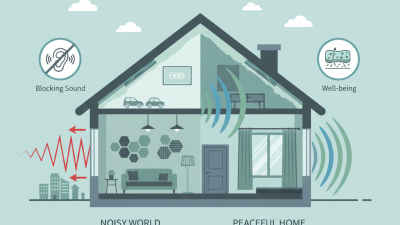

Noise is more than an annoyance: it can disrupt sleep, concentration, communication, and workplace safety. The World Health Organization’s 2018 Environmental Noise Guidelines for the European Region set recommended exposure levels for road, rail, and aircraft noise. A related WHO and Joint Research Centre report estimated that environmental noise caused the loss of at least one million healthy life-years annually in Western Europe. These findings make Noise Reduction a practical health and comfort concern, not just a product feature.
For occupational settings, NIOSH recommends limiting time-weighted noise exposure to 85 dBA over an eight-hour workday, using a 3 dB exchange rate. That benchmark helps buyers compare hearing protection and identify situations requiring further assessment. Fit matters. Earplugs, earmuffs, acoustic panels, barriers, machine enclosures, and vibration-control products address different sound paths. A quiet office and a factory floor rarely need the same solution.
This guide compares ten product types for global buyers, focusing on use cases, installation needs, comfort, maintenance, and evidence behind performance claims. Still, a tidy ranking can mislead: published ratings may rely on different test methods, and real-world results depend on fit, room design, and correct installation. Not every product works. Buyers should check technical documentation, independent test data, and relevant local requirements before choosing. The aim is a clearer shortlist—not a promise of silence.

Noise reduction products work in different ways, so matching the tool to the noise source matters. Earplugs and earmuffs reduce sound reaching the ear, while acoustic panels absorb reflections inside a room. Heavy curtains can soften echoes, but they rarely block deep traffic rumble on their own. Fit matters.
Door seals and window gaskets close small gaps where sound leaks through. Enclosures surround noisy equipment, and vibration pads limit the shaking that travels through floors or workbenches. Outdoor barriers can interrupt a direct sound path, though their performance depends on height, distance, and material. No single product solves every problem.
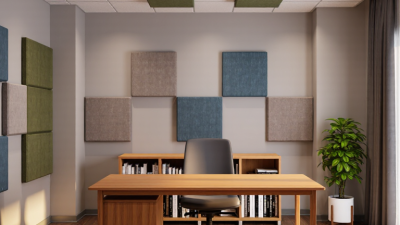
In a home office, a rug and wall panels may reduce sharp echoes during calls. In a workshop, properly fitted hearing protection and machine enclosures address different parts of the risk. For apartment windows, sealing gaps may help more than adding thin decorative foam. Not magic. Check product specifications, installation guidance, and suitable noise ratings before buying. Even careful choices can disappoint if the main source is overlooked; measuring noise at different times can reveal what needs attention.
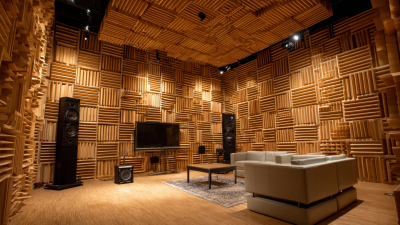
Global buyers encounter several categories of noise reduction products, each addressing a different route sound can take. Acoustic panels absorb reflections inside a room. They can reduce echo in a meeting space, especially when placed near hard walls. They do not block all outside noise.
That distinction matters.
Door and window systems help limit sound entering through gaps or thin surfaces. Seals around a door frame may be as important as the door itself. Mass-loaded barriers and acoustic curtains add separation, while machine enclosures contain noise near its source. Vibration isolators, such as rubber mounts beneath equipment, can reduce noise traveling through floors.
Small details count.
A careful plan can still miss a rattling duct or a poorly sealed corner.
Personal hearing protection serves workers and travelers who need to reduce exposure close to the ear. Sound-masking devices, by contrast, introduce steady background sound to make intermittent distractions less noticeable.
They do not remove the original noise.
For purchasing teams, compare tested absorption or transmission data, installation needs, and documented safety information. Check the test conditions, too. A product’s performance in a laboratory may not match a busy, reflective room. Category charts are useful, but real spaces rarely behave neatly.
When comparing noise reduction products, check how performance was measured, not just the headline decibel figure. A rating from a laboratory test may not reflect noise in a factory, cabin, or open office. Rating systems can also differ by market, so confirm the test standard and documentation before comparing figures. Numbers can mislead.
Look at frequency performance as well. Passive materials often reduce higher-pitched sounds, while active cancellation is generally designed for steady, lower-frequency noise. A product’s frequency chart can reveal gaps that a single overall rating hides. Fit matters most. For earplugs or earmuffs, a small gap around the seal can sharply reduce real-world protection. Check adjustment range, weight, and whether the product stays comfortable during a full shift.
Compare specifications against the actual task: machinery, traffic, or voices each create different sound patterns. Ask suppliers for test reports, stated operating conditions, and any applicable conformity documents. Then review battery life, replacement parts, and cleaning requirements for long-term use. Published figures still cannot reproduce every buyer’s environment; that limitation deserves attention. If possible, trial units in the intended setting and record both noise levels and user feedback. A quieter result is useful, but only if people can wear the product correctly and consistently.
Noise problems vary: a commuter needs portable relief, while a home worker may need fewer echoes. Foam earplugs are inexpensive and compact, but correct fit matters. Reusable silicone earplugs suit frequent use and are easier to clean. For loud workshops, protective earmuffs offer a quick, adjustable option. Check the product’s tested noise-reduction rating, and wear hearing protection as directed. Fit matters most.
Active-noise-cancelling headphones can reduce steady sounds such as aircraft hum, though they may not block sudden voices. A white-noise machine can soften distracting background changes in bedrooms or shared offices. Acoustic curtains help with reflections and some outside noise, but they are not a substitute for sealed windows. Door seals are a practical choice when sound slips through visible gaps. Small gaps matter.
For echo-prone rooms, acoustic panels can absorb reflections and make speech clearer. Under-desk sound screens may help in busy open offices, though results depend on desk layout and room noise. Vibration-isolation pads suit buyers trying to limit the transfer of appliance or speaker vibrations through floors and furniture. They will not solve every low-frequency problem. No single product fits every space; measuring the noise source first is useful, even if that step is easy to overlook.
Global buyers should compare noise reduction products by their intended use, not just advertised decibel figures. Acoustic panels can reduce echo inside a room, while barriers are designed to limit sound passing between spaces. They are not interchangeable. Ask suppliers for test reports that state the product configuration, measurement method, and frequency range. A number without testing context is hard to assess. Check applicable fire, electrical, or product-safety requirements in the destination market before ordering.
Shipping details matter, especially for bulky panels and fragile components. Confirm packed dimensions, gross weight, pallet requirements, and who handles import duties. Request photos of protective packaging; dented corners or damp materials can undermine installation. Samples help, but they may not reveal how a full shipment will arrive. I have seen buyers overlook this distinction.
After-sales support should be agreed in writing. Confirm warranty duration, replacement-part availability, installation guidance, and response times across time zones. Keep product specifications and inspection records with the purchase documents. A supplier may offer helpful advice, yet unclear responsibility can still delay a project. Perfect certainty is rare; a small pilot order can expose gaps before a larger commitment.