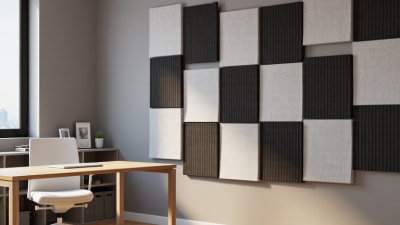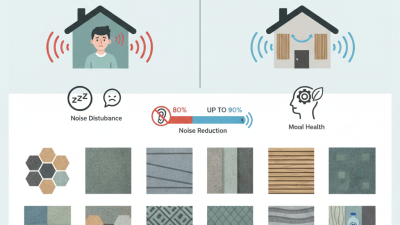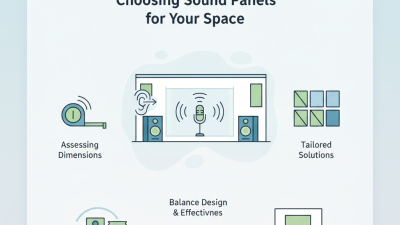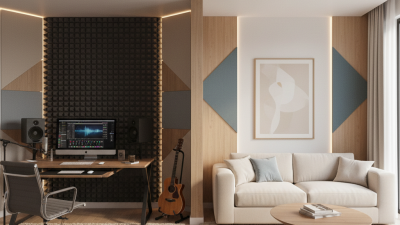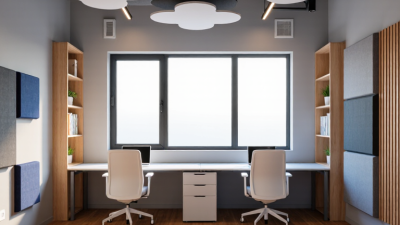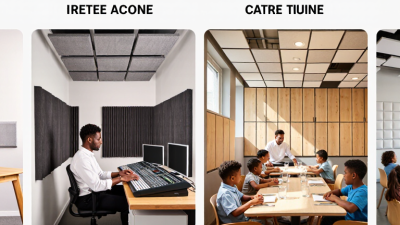

Choosing the best sound absorption materials begins with understanding what the room needs. Sound Absorption reduces reflected sound, helping speech feel clearer and limiting harsh echoes. It does not, by itself, block noise passing through walls. That distinction matters when choosing panels for a home office, classroom, studio, or restaurant. A lively room may need treatment on its walls or ceiling, while a noisy room next door may need a different solution.
Materials vary in density, thickness, finish, and performance across sound frequencies. Fabric-wrapped panels, mineral wool, acoustic foam, and ceiling tiles can all help, but none suits every space. Check published test data, including the Noise Reduction Coefficient where available, and look for frequency-specific results when low notes matter. Consider the room’s surfaces, how people use it, cleaning needs, installation limits, and relevant product safety information. A beautiful panel can still disappoint if it is too thin or placed poorly.
Small details count. A few panels near a speaking area may improve clarity, but large, reflective rooms often need broader coverage. Even careful plans miss something. It is easy to trust a product chart too much; real rooms have doors, furniture, and corners that change how sound behaves. Compare credible specifications, then assess the space after installation and adjust if needed. The best choice is usually the material that fits the room’s acoustic problem, practical constraints, and budget—not simply the one with the boldest claims.
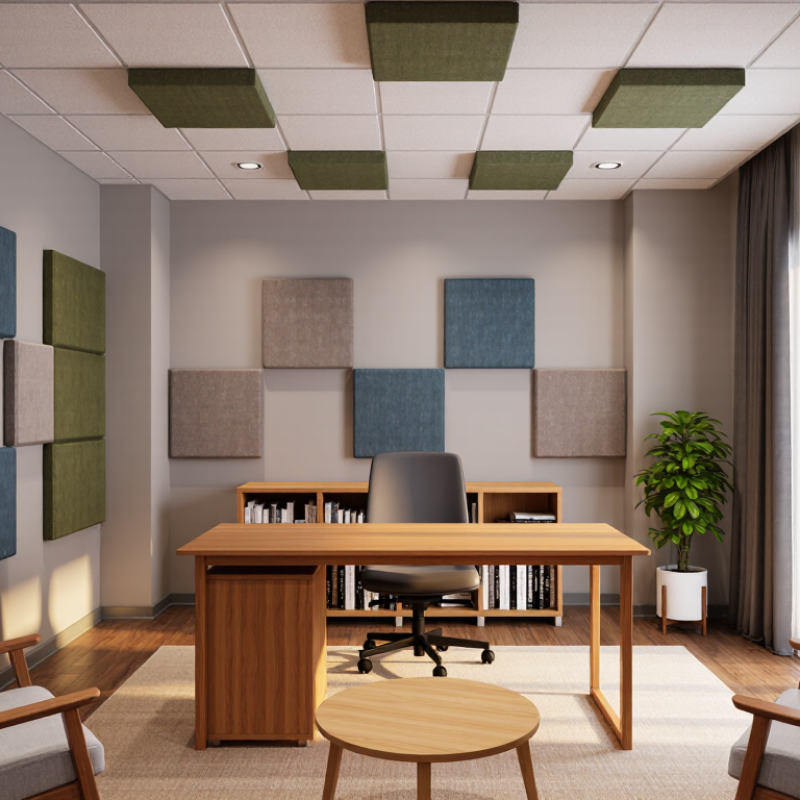
Sound absorption materials reduce reflections inside a room; they do not stop all sound from passing through walls. That distinction matters. A porous panel lets sound waves enter small gaps between fibers or cells. As air moves through them, friction converts some sound energy into a small amount of heat. The reflected sound becomes weaker, so a room may feel less harsh and speech can become easier to follow.
Material choice affects which sounds are absorbed. Thin panels often help with sharper, higher-frequency sounds, such as a clattering plate or a bright hand clap. Low bass is harder to control and may need thicker absorbers or carefully designed air gaps behind them. Placement matters, too: a bare wall behind a speaker can send strong reflections back across a room.
Try a small test panel, then listen from the seats people actually use. It is easy to expect one panel to fix everything. It rarely does. Also consider fire performance, durability, and cleaning needs before installing materials, especially in busy spaces. A room can still sound lively; removing every reflection is not always desirable.
Choosing sound absorption materials starts with identifying the frequencies and surfaces causing trouble. A sharp echo in a small office may need different treatment from low, lingering bass in a music room. The Noise Reduction Coefficient (NRC) offers a useful average, but it does not show performance at every frequency. Check frequency-specific test data when available. Thickness, air gaps, and placement can change results.
Fiberglass and mineral wool panels often absorb a broad range of sound when installed with suitable depth. Fabric-wrapped panels can look tidy, but their fabric alone contributes little; the porous core does the work. Foam is lightweight and convenient for reducing some mid- and high-frequency reflections, yet thin sheets may do little for bass. Perforated wood or metal systems can combine absorption with a durable finish, though they need a backing layer and careful installation. Appearance matters, but it is not a performance rating.
Tips: Clap near a bare wall and listen for a fluttering echo. Measure before buying. Compare test data, panel depth, and coverage area, then treat the main reflection points first. Results can be uneven; room shape and furnishings matter too. A perfect-looking plan may still need adjustment.
Before choosing sound absorption materials, assess what the room needs to control. Stand in the space during normal use and note where noise builds: a hard floor may reflect footsteps, while bare walls can make speech linger. Listen from several spots. A phone recording can help locate changes, but it cannot replace calibrated measurements. For a clearer picture, measure background noise and reverberation time, the time sound takes to decay after a source stops. ISO 3382-2 describes methods for measuring reverberation time in ordinary rooms. Measurements are useful, but they do not capture every distraction.
Match the treatment to the problem. If voices blur in a meeting room, reducing reflections may help; if traffic enters through a window, absorption panels alone will not stop it. The World Health Organization’s Guidelines for Community Noise recommend classroom background sound below 35 dB LAeq and reverberation time below 0.6 seconds. These are useful reference points, not universal targets for every room. A small room with a rug and curtains may already sound comfortable, while a crowded, echoing hall may need broader treatment. Test a small area first. The result may surprise you. Recheck the room after installation, since people, furniture, and open doors can change what you hear.
Room use should guide the material, not appearance alone. In a busy office, ceiling panels and wall absorbers can reduce reflected speech, while a bedroom may need softer finishes near hard surfaces. A small rug can help with echoes, but it will not block noise from a neighboring room. That distinction matters. The WHO’s 2018 Environmental Noise Guidelines recommend keeping road traffic exposure below 53 dB Lden and 45 dB Lnight; these are health guidelines, not promises that any panel will meet them indoors. For product comparisons, check the Noise Reduction Coefficient (NRC), measured using ASTM C423. Test results help, but room shape and placement still change what you hear.
Budget choices work best when you treat the room, not just one wall. Start with the ceiling or the largest bare surface, then add coverage if echoes remain. In a classroom, durable, cleanable panels may justify a higher initial cost; in a rental, movable fabric-wrapped panels may be easier to install and remove. Check the fire-performance documentation, installation instructions, and cleaning requirements before buying. ASTM E84 reports surface-burning characteristics, but it is not a complete measure of every fire risk. Ask for current test documents. Don’t rely on a product photo. I’d also leave a little budget for installation; it is easy to underestimate.
Compare representative Noise Reduction Coefficient (NRC) values, then match the material to your room, budget, and safety requirements.
How to use this chart: Higher NRC generally means greater absorption of speech-range sound. Values are approximate examples; actual performance depends on thickness, mounting, and product testing. For studios or offices, consider tested fiberglass or mineral-wool panels. For lower-cost improvements, curtains and carpet can help reduce reflections, though they absorb less. Check fire ratings and installation guidance, especially for foam and fibrous materials.
Plan placement around how the room is used, not just where panels look attractive. In a meeting room, speech often reflects between parallel walls; a few panels near those reflection points can make voices clearer. Soft materials absorb sound, but they do not block noise traveling through walls. Check ceiling height, furniture, windows, and ventilation before choosing coverage. It is easy to overestimate how much material a small room needs.
Tips: Clap once in different spots and listen for a sharp echo. Mark likely reflection areas with removable tape. Test a small sample first; color and texture can look different under room lighting.
Before installation, confirm the wall or ceiling can support the material and follow its installation instructions. Keep vents, lights, and access panels clear. A neat layout matters, but so does leaving space for future repairs. For long-term care, check panels for loose edges, dust, and moisture every few months. Many fabrics tolerate gentle vacuuming with a soft brush, though some finishes need different care. When unsure, check the material’s cleaning guidance. I would not assume a panel is washable just because its cover feels sturdy.
| Material or Treatment | Typical Sound-Absorption Performance | Best Placement | Installation Planning | Long-Term Care | Key Considerations |
|---|---|---|---|---|---|
| Fabric-wrapped fiberglass panels | Often high absorption at mid and high frequencies. Published NRC values commonly range from about 0.70 to 1.00, depending on thickness, mounting, and tested assembly. | First-reflection points on side walls, rear walls, and other large reflective surfaces. | Mount securely using rated clips, rails, or other suitable fixings. Keep the specified fabric and panel edges intact; follow handling and installation guidance to limit fiber exposure. | Dust with a soft brush or vacuum using a suitable low-suction upholstery attachment. Replace damaged or heavily soiled fabric as appropriate. | Check the product’s test data, fire-performance information, and suitability for the intended room before purchase. |
| Mineral-wool panels | Can provide strong mid- and high-frequency absorption; results vary with density, thickness, facing, air gap, and mounting method. | Wall panels, ceiling clouds, and, where appropriate, thicker corner treatments. | Use an enclosed or properly faced assembly and secure supports suitable for the panel weight. Follow the manufacturer’s safety instructions when cutting or handling. | Keep dry and protected from impact. Clean the outer facing rather than exposing or disturbing the fiber core. | Verify the complete assembly’s fire, moisture, and indoor-use suitability; the core material alone does not determine these properties. |
| PET-fiber panels | Performance varies substantially by thickness, construction, and test method; consult the published absorption data for the exact panel and mounting setup. | Walls and ceilings in offices, classrooms, and shared spaces where a finished, lightweight surface is useful. | Use compatible mechanical fixings or approved adhesive. Confirm that the substrate and ceiling system can support the installed load. | Follow the specified cleaning method; many surfaces can be gently vacuumed, but moisture and stain treatments depend on the product. | Confirm fire classification, allowable cleaning methods, and test results rather than choosing by material name alone. |
| Open-cell acoustic foam | Usually most effective at higher frequencies. Lower-frequency performance depends strongly on thickness and spacing from the wall; check test data for the specific shape and assembly. | Small rooms, equipment areas, or targeted wall and ceiling locations where reducing high-frequency reflections is the main goal. | Use only a compatible adhesive or mechanical method and a suitable surface. Do not cover lights, ventilation openings, sprinklers, or other safety equipment. | Remove dust gently and keep the foam away from heat sources and conditions that can damage it. Replace crumbling or deteriorated pieces. | Foam does not soundproof a room or reliably control deep bass by itself. Verify fire-safety suitability for the intended use. |
| Thick porous bass traps | Thicker porous absorbers can extend absorption toward lower frequencies, but results depend on depth, air gap, placement, and room acoustics. | Room corners and wall-ceiling junctions, especially where low-frequency buildup is measured or heard. | Plan for greater depth and secure support. Leave the intended air space behind the absorber if its tested or designed installation calls for one. | Keep the core enclosed and dry; inspect supports periodically and clean the exterior facing gently. | Thin wall panels alone are generally less effective at low frequencies than deeper treatments. Measure the room where possible. |
| Ceiling clouds and suspended panels | Absorption depends on the panel material, exposed surface area, thickness, and distance from the ceiling; use test data for the complete suspended arrangement. | Above work areas, listening positions, or other zones with strong ceiling reflections. | Attach to structural supports using rated suspension hardware. Check ceiling capacity, clearances, local requirements, and access to services before installation. | Inspect suspension points and hardware periodically. Clean the visible surface according to its facing material. | Maintain required clearances around sprinklers, lighting, detectors, and ventilation equipment. |
Planning note: NRC is a single-number rating based on absorption measurements at selected mid-frequency bands; it does not describe performance at every frequency. Values are assembly-specific, so compare test reports for the exact material, thickness, and mounting method. Absorption reduces reflections and reverberation inside a space; it is not the same as sound isolation between spaces.