

Please ensure Javascript is enabled for purposes of website accessibility

What is WPC Decking Floor and Why You Should Choose It?

Wpc Decking Floor is a modern solution for outdoor spaces. Composed of wood plastic composite, it provides durability and aesthetics. Homeowners seek options that blend beauty with long-lasting performance.

Selecting the right decking is crucial. WPC decking floor stands out due to its resistance to moisture, mold, and insects. Unlike traditional wood, it requires minimal maintenance. Yet, some may question its environmental impact. Understanding the materials used is essential.

Investing in WPC decking floor can enhance your property’s value. It offers a stylish look while ensuring functionality. Evaluating various brands is key for a satisfactory choice. Reflecting on your specific needs will lead to better decisions. Always prioritize quality to avoid future regrets.
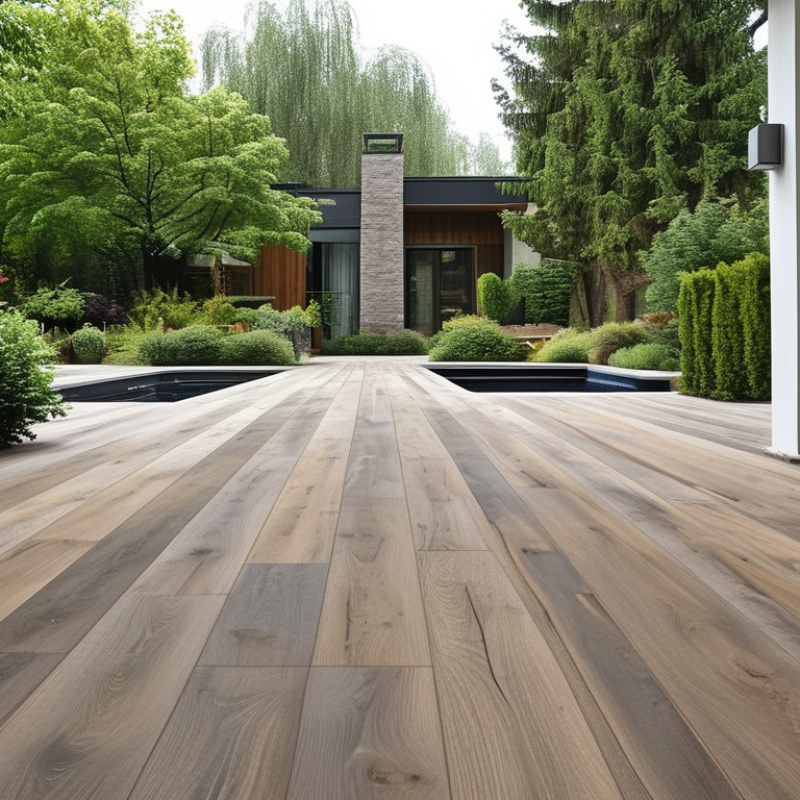
What is WPC Decking Floor and Why You Should Choose It?

Understanding WPC Decking: Definition and Composition

WPC decking, or Wood Plastic Composite decking, is an innovative material gaining popularity in outdoor spaces. It is designed by combining wood fibers with plastic, resulting in a strong, durable product. This unique composition offers the natural appearance of wood while enhancing resistance to weather and pests.

The blend of materials in WPC decking creates a surface that retains its beauty over time. Homeowners appreciate its low maintenance needs compared to traditional wood. However, certain factors should be considered. While WPC can resist fading, some products may not perform well under extreme sunlight. The balance of wood and plastic also affects strength and flexibility.

Selecting the right WPC decking involves understanding its composition. Not all WPC products are created equal; some may have higher plastic content, leading to less authenticity. It is essential to evaluate the materials used carefully. This critical analysis can guide your choice, ensuring you invest in durable and visually appealing decking options.

Advantages of WPC Decking Over Traditional Materials

WPC decking, or Wood Plastic Composite decking, combines wood fibers and plastic. This innovative material is increasingly chosen for outdoor spaces. One significant advantage of WPC decking is its durability. Unlike traditional wood, WPC is resistant to rot and insects. It also doesn’t splinter, making it safer for families.

Another advantage is low maintenance. Traditional wood requires regular staining and sealing. In contrast, WPC decking only needs occasional cleaning with soap and water. This saves time and effort.

Tips: Choose lighter colors for smaller spaces. Darker shades can make areas feel cramped. Additionally, consider mixing textures to create visual interest. Not all WPC products are made equal; some have better longevity. Research is essential to find reliable options. Always ask about warranties and customer support.

Installation Process and Maintenance Tips for WPC Decking

WPC decking, or wood-plastic composite decking, is gaining popularity in outdoor spaces. The installation process for WPC decking is relatively straightforward. First, it's essential to prepare the substructure, ensuring it is level and sturdy. The decking boards should be spaced appropriately to allow for expansion and contraction, which is crucial given that temperature fluctuations can impact the material. Generally, a gap of 1/8 inch between boards is suggested. According to industry reports, improper installation can lead to warping and shorter lifespans, underscoring the need for careful preparation.

Maintenance for WPC decking is simple but requires regular attention. Cleaning should be performed periodically using a mild soap and water solution. Avoid harsh chemicals that might damage the surface. Industry studies show that many homeowners overlook this, resulting in unsightly stains and reduced aesthetic appeal. In addition, checking the railing and supports for stability is vital. Minor repairs can prevent larger issues down the road, demonstrating the importance of routine inspections. While WPC decking offers numerous advantages, neglecting these maintenance tips can lead to unintentional wear over time.

Environmental Impact and Sustainability of WPC Decking

WPC decking, made from wood and plastic fibers, offers an eco-friendly alternative to traditional materials. The environmental impact of this composite product is significant. For instance, WPC decking helps reduce deforestation by using reclaimed wood particles. This means fewer trees are cut down, preserving natural habitats. Additionally, the use of recycled plastics in WPC not only decreases plastic waste but also gives a second life to materials that would otherwise end up in landfills.

Durability is another crucial factor in sustainability. WPC decking is resistant to moisture, insects, and fading, leading to a longer lifespan compared to conventional wood. This durability reduces the need for frequent replacements, lowering resource use over time. However, there are concerns about the manufacturing process. The energy used in producing WPC can be high. Also, some products may release volatile organic compounds. Therefore, it’s vital to research products thoroughly. Opting for reputable producers might help ensure that environmental standards are met. Overall, WPC decking presents an attractive option for those looking to balance aesthetics with sustainability.

Cost Comparison: WPC Decking vs. Other Flooring Options

WPC (Wood Plastic Composite) decking is gaining popularity for outdoor spaces. When comparing costs, it stands out against traditional wood and vinyl options. The initial investment for WPC decking can be higher than traditional wood. However, when considering long-term durability, the gap narrows.

Maintenance costs also need factoring in. Wood requires regular staining and sealing. This adds to the overall expense over time. In contrast, WPC decking is low-maintenance, needing only occasional cleaning. Homeowners can save both time and money.

Another aspect to consider is installation. WPC decking is often easier to install, reducing labor costs. While the initial price might give pause, the longevity of WPC can mean savings in the long run. It’s wise to assess both the upfront costs and the future benefits before making a choice.