

Please ensure Javascript is enabled for purposes of website accessibility

What Is Acid Dye Used For?

Acid Dye is used mainly to color protein-based fibers, including wool and silk, as well as nylon. Despite its name, it is not simply an acid applied directly to fabric. It is a water-soluble dye used in a carefully prepared bath, where acidic conditions help the color bond with suitable fibers. The exact process depends on the dye, the material, and the desired shade.

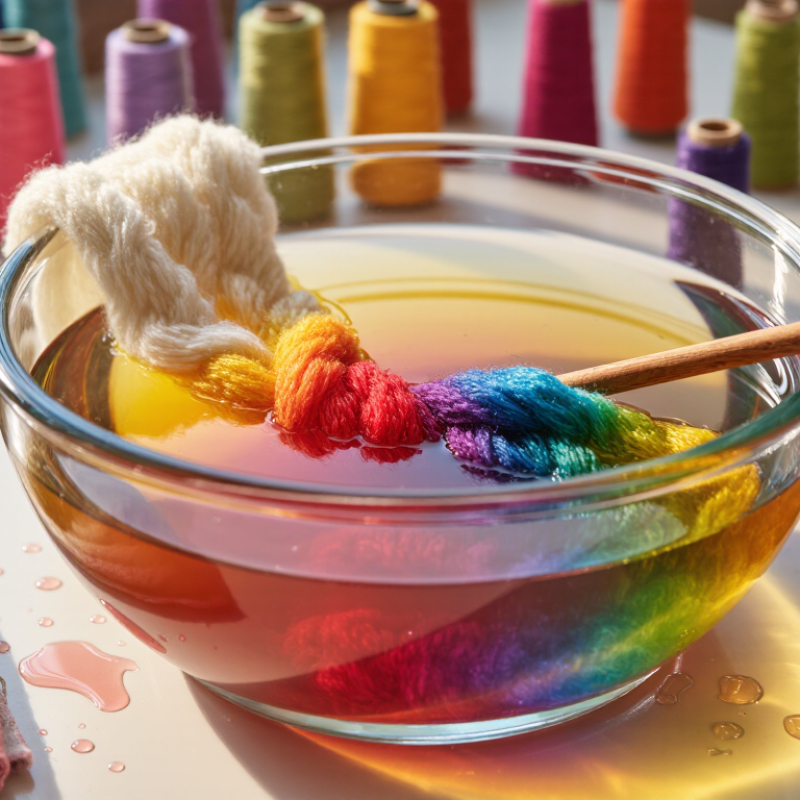
Think of a wool scarf soaking in a warm bath: the fiber absorbs color, and gentle movement helps reduce patchiness. Acid dyes are valued for their bright shades and broad color range, from clear reds to deep blues. They are used in yarn, clothing, carpets, and other textile products. Some are also used to color leather or in specialist printing, but textile dyeing is their best-known role. Not every acid dye suits every material.

The name can mislead. Acid is not the colorant itself; it helps create the conditions for dyeing. Results still vary. Fiber preparation, water temperature, bath acidity, and timing all matter, so a recipe that works for wool may not work for nylon. Product instructions and small test samples are practical safeguards. This is often overlooked. Acid dyes can produce durable, vivid color, but “durable” is not a promise of identical results across fabrics or washing conditions. A closer look at how they work—and which fibers they suit—makes their uses easier to understand.
What Is Acid Dye Used For?

What Acid Dyes Are and How They Work

Acid dyes are water-soluble colorants used mainly on wool, silk, and nylon (polyamide). “Acid” describes the dye bath’s acidic conditions; it does not mean the finished fabric is acidic. In a warm bath, dye molecules move into the fiber and attach to positively charged sites. Hydrogen bonding and other forces also help hold the color. Shade depends on pH, temperature, time, and fiber structure. Heat the bath too quickly, and dense wool yarn may dye unevenly.

Textile Exchange’s Materials Market Report 2024 estimates that global fiber production reached 124 million tonnes in 2023. That figure covers all fibers, not just materials dyed with acid dyes, but it shows the scale of textile production where dye selection matters. Color performance also needs testing: ISO 105-E04 specifies a method for assessing color fastness to perspiration. Acid dyes can produce vivid shades, yet results vary by fiber and process. A vivid sample is not proof of lasting color.

Tips: Test a small swatch first. Keep pH and temperature steady, and check the shade after rinsing and drying.

What Is Acid Dye Used For? — What Acid Dyes Are and How They Work
Application Common Material How the Dye Works Typical Uses Process Considerations
Wool coloring Wool yarn, fabric, knitwear, and carpets In an acidic dye bath, wool’s protein fibers develop positively charged sites that attract the negatively charged, water-soluble dye molecules. Solid shades, yarn dyeing, patterned textiles, and carpet coloration Bath acidity, temperature, and dye selection affect shade depth, levelness, and colorfastness.
Silk coloring Silk yarn and fabric Dye molecules are absorbed by the protein fiber and can bind through ionic attraction as well as other intermolecular forces. Apparel, scarves, linings, and decorative fabrics Silk is sensitive to harsh conditions, so dyeing conditions are selected to protect the fiber and its finish.
Nylon coloring Polyamide fibers, including nylon 6 and nylon 6,6 Acid dyes can attach to positively charged amino end groups in the polyamide fiber. Clothing, hosiery, upholstery, and nylon carpets Fiber type, dye structure, bath pH, and temperature influence shade and resistance to washing or light.
Leather coloring Prepared leather Suitable acid dyes can penetrate and color leather by interacting with charged sites in its protein structure. Colored leather goods and leather components Results depend on the leather’s preparation, tanning, and finishing; not every acid dye is suitable for every leather process.
Specialty dyeing and staining Selected protein-based or polyamide materials Some acid dyes are formulated for particular materials or specialist uses; their color uptake depends on the substrate and dye chemistry. Technical textiles and certain laboratory staining applications Use a dye specifically intended for the material and application, following the relevant safety and process instructions.

In brief: Acid dyes are generally water-soluble anionic dyes, commonly used to color wool, silk, and nylon. “Acid” refers to the acidic conditions often used in dyeing; the required bath conditions vary with the dye and material.

Which Fibers Can Be Dyed with Acid Dyes

Acid dyes are mainly used on fibers that contain protein, including wool, silk, alpaca, and cashmere. They can also color nylon, a synthetic polyamide. In a dye bath, mild acidity helps the dye attach to these fibers. Wool often takes rich, clear shades, while silk can show a smooth sheen. Nylon may dye well too, but its results depend on the fiber finish and dye conditions. Small swatches matter.

Cotton, linen, and most other cellulose fibers usually do not hold acid dyes reliably. Polyester generally needs a different dye type. Blended fabrics can be tricky: a wool-nylon yarn may take color differently across its fibers, leaving a subtle or uneven effect. That difference matters. Fiber labels are useful, but coatings and finishes can still change the outcome, so the exact result is not always predictable.

Tips: Test a hidden area or matching yarn first. Use the dye maker’s temperature and acidity instructions, and avoid sudden heat changes with wool or silk. Wear gloves and keep the dye bath separate from food cookware. Test before committing. If the color looks weak, check the fiber content before increasing dye strength; the material may simply be unsuitable.

Common Uses of Acid Dyes in Textiles and Other Materials

Acid dyes are widely used to color wool, silk, and nylon. Their molecules bond well with these fibers in an acidic dye bath, producing clear shades and strong color depth. A wool skein dyed deep blue, for example, needs even circulation and steady temperature to avoid pale patches. Textile Exchange’s Materials Market Report 2024 estimates global fiber production reached 124 million tonnes in 2023. The report tracks fiber volumes, not acid-dye use, but it shows the scale of materials that textile dyeing must serve.

Outside apparel and home textiles, acid dyes are also used on leather and in some paper and ink applications. On leather, they can create vivid colors while retaining a soft feel; in paper, they can add color to specialty products. Nylon dyeing requires particular care because small changes in bath acidity or heat can affect shade uniformity. Control matters. A slight pH shift may leave one section darker than another, and correcting it can take time. Dye selection also depends on the material and the finish required, so one recipe rarely suits every job.

How the Acid Dyeing Process Works

Acid dyes are commonly used on wool, silk, and nylon. They work in a water bath made mildly acidic, where dye molecules can bond with suitable sites in the fibers. The exact acidity and temperature depend on the dye and material, so follow the product’s technical instructions rather than guessing.

Preparation matters.

Wash away dirt, oils, and detergent residue, then wet the fabric evenly. Add the dissolved dye to the bath and stir well before introducing the fiber. A smooth start helps prevent dark patches. Add the recommended acid gradually, keeping it off the fabric in concentrated form.

Heat slowly while moving the material gently; wool can shrink or felt if it is agitated harshly or heated too quickly. Keep the temperature steady for the time specified, checking the shade as it develops. Small changes matter.

Rinse with water at a similar temperature until the runoff is mostly clear, then dry the fabric away from direct heat. Wear gloves and protect the work surface, since dye can stain skin and nearby materials.

Results may still vary: fiber finish, water minerals, and uneven stirring can all affect color. A small test swatch is worth the extra time.

Benefits, Limitations, and Safe Handling of Acid Dyes

Acid dyes are commonly used to color wool, silk, nylon, and other protein or polyamide fibers. In a warm, mildly acidic bath, dye molecules attach to sites in the fiber. This can produce vivid shades and smooth, even coverage. The method suits yarn, fabric, and some finished textiles. Color choice is broad. Not for every fiber. Cotton and polyester generally need different dye systems, so check the fiber content before preparing a bath. Even with a reliable recipe, a small swatch can turn out differently from the full piece. Water chemistry, temperature, and timing all matter.

Safe handling starts with the product’s safety instructions and a clean, ventilated workspace. Wear gloves and eye protection, and avoid breathing powder when measuring it. Add dye gently to limit dust; avoid eating or drinking near the work area. Keep the bath controlled, since hot acidic liquid can irritate or burn skin. Rinse splashes promptly with plenty of water. Store dye clearly labeled and away from food, children, and pets. Dispose of leftover bath and rinse water according to local guidance rather than assuming dilution makes it harmless. A little caution helps, though it cannot guarantee a perfect shade or prevent every mistake.