

Please ensure Javascript is enabled for purposes of website accessibility

Wall Mounted Solar Tips to Maximize Efficiency and Savings

When choosing renewable energy, "Wall Mounted Solar" systems stand out for their convenience and efficiency. These installations harness sunlight effectively, especially in urban areas where space is limited. However, simply having a wall-mounted system does not guarantee optimal performance.

The angle, placement, and surrounding environment greatly influence solar energy generation. Homeowners must pay attention to obstacles like trees and buildings that block sunlight. While the initial setup may seem straightforward, many users overlook routine maintenance. Neglecting this aspect can lead to decreased efficiency over time.

Investing time in these details can pay off. Small improvements, such as adjusting panel angles or regular cleaning, can maximize energy output. Despite our best efforts, challenges may arise, but this only emphasizes the need for proactive management. Embracing these strategies can lead to significant savings in energy bills and a smaller carbon footprint.
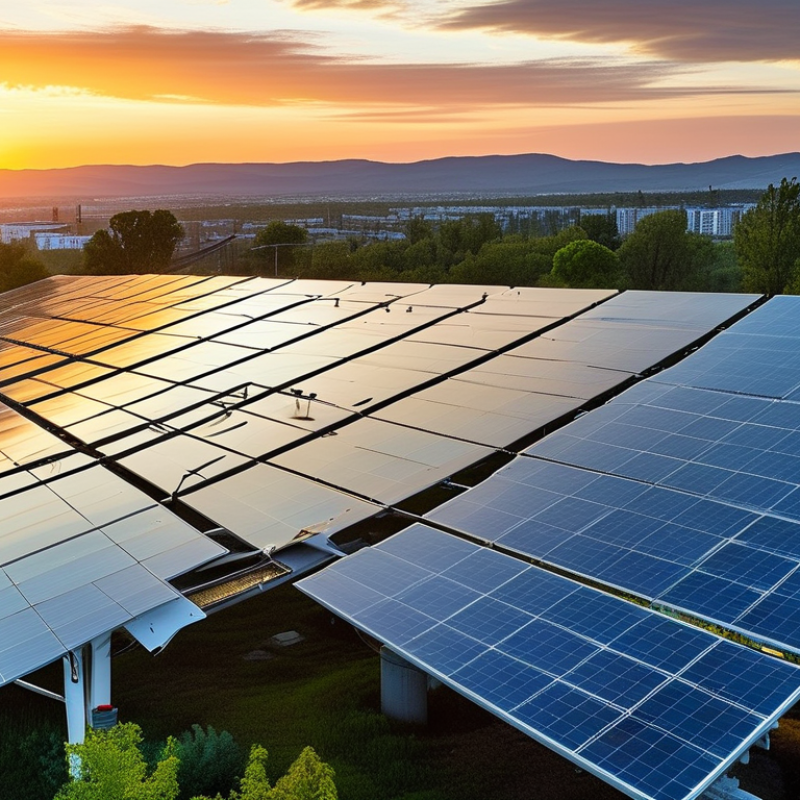
Wall Mounted Solar Tips to Maximize Efficiency and Savings

Wall Mounted Solar Panel Orientation for Optimal Sun Exposure

When installing wall-mounted solar panels, orientation is key for maximizing efficiency. The optimal angle for panels should face true south in the Northern Hemisphere. This positioning ensures they capture sunlight effectively. According to the National Renewable Energy Laboratory, panels can gain up to 25% more energy with proper orientation.

Ensure that the panels are tilted at an angle equal to your latitude. This helps to maximize sun exposure throughout the year. In areas with high latitudes, consider adjusting the panels seasonally. This might seem cumbersome, but it can increase energy production significantly.

Another tip is to avoid shading from nearby trees or buildings. Even partial shadows can reduce energy output by 20% or more. Regular maintenance is crucial. Keep the panels clean, as dirt can significantly impact efficiency. Studies show that neglecting cleaning can lead to a 15% drop in performance. Be prepared for minor adjustments over time to maintain peak efficiency and maximize savings.

Understanding Solar Panel Efficiency Ratings and Their Impact on Savings

Understanding solar panel efficiency ratings is essential for maximizing savings. Efficiency ratings indicate how well a solar panel converts sunlight into energy. Most residential panels range from 15% to 22% efficiency. Higher efficiency means more energy production per square foot, which is crucial for smaller rooftops. According to the U.S. Department of Energy, by 2022, the average efficiency of new solar panels has steadily increased. This has a direct impact on long-term savings.

In regions with abundant sunlight, selecting high-efficiency panels can lead to significant financial benefits. For instance, a 20% efficient panel can produce approximately 30% more energy than a 15% panel over its lifetime. However, efficiency is not the only consideration. Other factors, like installation angle and shading, play critical roles too. Many homeowners overlook these elements, which can reduce potential savings despite high panel efficiency.

Understanding degradation rates is also important. Typical solar panels lose about 0.5% to 1% efficiency per year. This gradual loss can affect long-term savings if not accounted for. Potential buyers should reflect on these factors before making a decision. Choosing the right panels involves evaluating both efficiency and external conditions. The best choices take all variables into account for optimal performance and savings.

The Importance of Inverter Selection for Wall Mounted Solar Systems

Inverter selection is critical for maximizing the efficiency of wall-mounted solar systems. The inverter's role is to convert the direct current (DC) produced by solar panels into alternating current (AC) for household use. According to the National Renewable Energy Laboratory (NREL), an efficient inverter can improve energy harvest by up to 20%. However, many homeowners overlook this key component when installing solar systems.

Choosing the wrong inverter can lead to significant losses. For instance, if the inverter operates at an efficiency of only 90%, a homeowner could lose out on a considerable portion of potential energy generation. This inefficiency becomes even more pronounced in systems with multiple panels, where variability in performance can occur. Selecting a high-quality inverter with a Minimum Efficiency Guarantee (MEG) is essential. Leading energy reports highlight that investments in high-efficiency inverters can yield up to 15% more energy over the lifespan of a solar system.

Proper sizing of the inverter is equally important. Oversizing can lead to wasted resources, while undersizing can result in energy clipping during peak production times. The goal should be a balance that matches the inverter's capacity to the solar array’s output. Many users fail to consider this, leading to unexpected energy deficits. Reports show that careful consideration of inverter selection can improve long-term savings and system reliability.

Wall Mounted Solar Tips to Maximize Efficiency and Savings - The Importance of Inverter Selection for Wall Mounted Solar Systems

Aspect Details Efficiency Impact Estimated Savings
Panel Orientation Tilt panels to face south (in the Northern Hemisphere) Increases solar capture by 20-30% Up to $300/year
Inverter Type Choose between string or microinverters Microinverters offer 5-10% more efficiency $100-$500 over system lifespan
Regular Maintenance Clean panels and inspect for damage Can maintain efficiency above 90% $50-$100/year
Shading Avoid placing panels near tall structures Minimizes production loss due to obstruction Potentially $200/year
System Size Right-sizing system based on energy needs Optimizes investment and installation costs Varies, typically $600-$1,200

Estimating Energy Output Based on Location and Seasonal Changes

When evaluating the energy output of wall-mounted solar panels, location plays a pivotal role. Geographic position affects sunlight exposure. For instance, panels installed in sunny regions like the Southwest will generate more energy than those in northern areas. Seasonal changes also impact output. During winter, the sun’s lower path can reduce efficiency. Shadows from trees or buildings may hinder performance too.

To optimize energy production year-round, assess your local climate. Understanding peak sunlight hours can help in planning installations. In summer, the long days provide ample energy. However, overcrowding from vegetation may block light. Regular maintenance checks can keep panels clean and functional. Removing debris is crucial.

Evaluating energy needs based on these factors enables better savings. Calculate average monthly outputs to project annual savings. This helps in making informed decisions about energy consumption and financial investments. However, it’s easy to overlook seasonal factors. Frequent re-evaluation and adjustment are necessary for maximizing efficiency. Balancing expectations with real-world conditions creates a more reliable energy solution.

Maximizing Space: Innovative Mounting Techniques for Urban Installations

Urban living often limits rooftop space for solar panels. However, wall-mounted systems can provide an effective alternative. These installations not only save space but allow you to harness solar energy efficiently.

One innovative technique is utilizing vertical surfaces. Installing panels on south-facing walls maximizes sunlight exposure. This approach is particularly useful for buildings with limited roof access. Also, consider adjustable mounts. They enable angle adjustments throughout the year, optimizing energy capture as seasons change.

To enhance efficiency, align your panels to avoid obstructions. Nearby trees or buildings can create shadows. Regularly clean the panels to prevent dirt accumulation. A clean surface receives more sunlight. Remember that energy output may not always meet expectations during cloudy days. Monitoring performance regularly can help in making necessary adjustments. Explore these strategies to maximize both efficiency and savings while adapting to urban constraints.

Wall Mounted Solar Tips to Maximize Efficiency and Savings

This chart illustrates various wall-mounted solar installation techniques and their corresponding energy efficiency percentages. Optimal mounting angles and appropriate installation times can greatly enhance solar power generation, leading to better savings and efficiency.