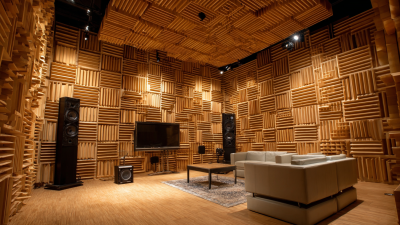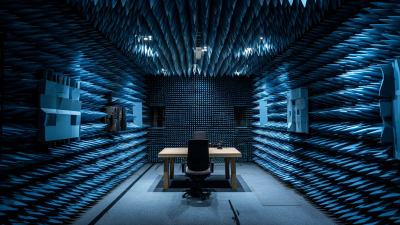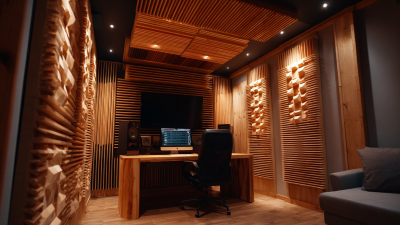

In today’s fast-paced world, noise pollution has become a significant concern for both personal well-being and productivity. According to the World Health Organization, prolonged exposure to noise levels above 65 decibels can lead to stress, sleep disturbances, and even cardiovascular issues. As a result, many individuals and businesses are seeking effective solutions for soundproofing to create a serene environment. Among various options available in the market, Soundproof Foam has emerged as a popular choice due to its affordability, versatility, and ease of installation.
Soundproof Foam is designed to absorb sound waves, reducing echo and reverberation in various settings, from recording studios to home theaters. Recent industry reports indicate that the global soundproofing market is projected to reach $65 billion by 2027, with a significant portion attributed to acoustic treatment products like soundproof foam. Its ability to enhance sound quality while simultaneously providing noise reduction makes it an essential component for anyone looking to mitigate unwanted sound.
In this article, we will explore the top five soundproof foam solutions that provide ultimate noise reduction for residential and commercial spaces. By examining these products, we aim to guide you in making informed decisions to improve your auditory experience in any environment.
In today's fast-paced world, the need for effective soundproofing has never been more crucial. Whether you are a musician looking to create a perfect recording environment, a homeowner wanting to minimize noise pollution, or a business owner aiming to enhance customer experience, soundproof foam plays a pivotal role in modern acoustic solutions. Its unique design absorbs and dissipates sound waves, significantly reducing echoes and noise transmission. By integrating soundproof foam into your spaces, you can enjoy peace and tranquility amidst the cacophony of daily life.
When selecting soundproof foam, consider the thickness and density of the material. Thicker foam panels tend to offer better sound absorption. Also, strategically placing the panels in corners and on walls where sound reflects can enhance their effectiveness. Another tip is to combine soundproof foam with other soundproofing materials, like curtains or carpets, for a more comprehensive solution. This combination not only boosts noise reduction but also improves the overall aesthetic of your space.
It's also essential to evaluate the ambient noise levels of your surroundings. If you live in a particularly noisy area, you may need to invest in higher density foam or specialized acoustic panels designed for extreme conditions. Remember to monitor changes in sound levels after installation to determine if further adjustments are necessary, ensuring optimal acoustic performance.
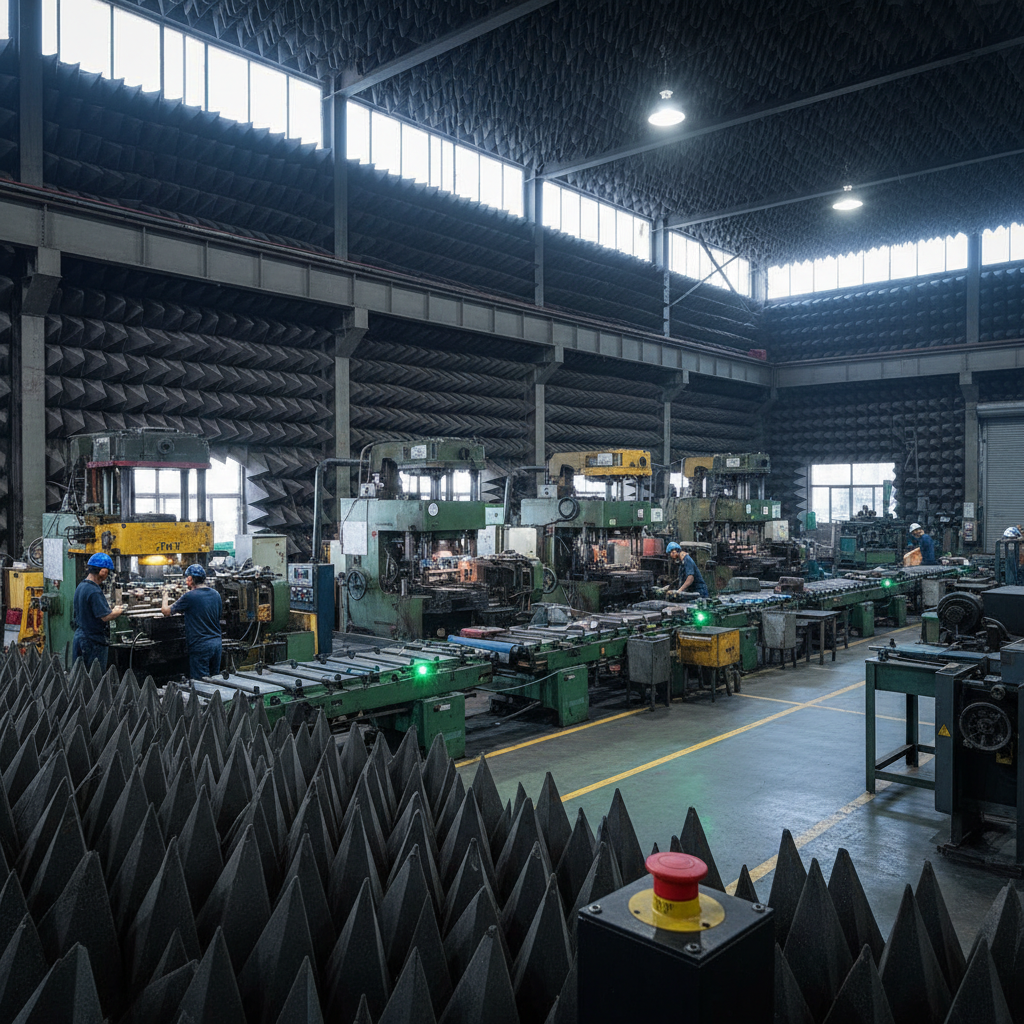
When selecting high-quality soundproof foam products, several key features play a crucial role in their effectiveness. Firstly, density is a significant factor; foams with a higher density typically provide better sound absorption. According to the National Institute of Standards and Technology (NIST), materials with a density of 3-6 lb/ft³ achieve optimal performance in reducing mid to high-frequency noise levels, making them ideal for recording studios and home theaters.
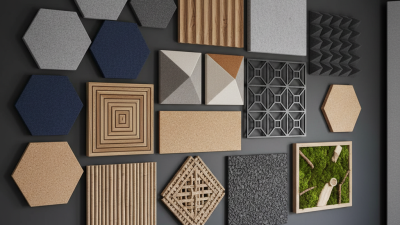
Another essential feature is the foam's thickness and structure. Studies in acoustics indicate that thicker foams (over 2 inches) can significantly reduce sound transmission, particularly when designed with various profiles such as wedges or pyramids. These designs trap and dissipate sound waves more effectively, enhancing the overall acoustic environment. Additionally, look for products with an Acoustic Absorption Coefficient rating above 0.75; this indicates superior sound reduction capabilities, ensuring a quieter and more peaceful space.
Lastly, consider the materials used in production. High-quality soundproof foam should be made of polyurethane or melamine, which are known for their durability and soundproofing properties. Reports from the Acoustical Society of America suggest that using eco-friendly materials in soundproofing solutions not only improves indoor acoustics but also aligns with sustainable practices, making it a win-win for consumers and the environment.
| Solution | Material Type | NRC Rating | Thickness (inches) | Eco-Friendly |
|---|---|---|---|---|
| Acoustic Panels | Polyester | 0.90 | 2 | Yes |
| Egg Crate Foam | Polyurethane | 0.85 | 4 | No |
| Bass Traps | Mineral Wool | 1.05 | 6 | Yes |
| Soundproofing Foam Tiles | Open-cell Foam | 0.95 | 1.5 | Yes |
| Vocal Booth Foam | High-Density Foam | 0.80 | 3 | No |
The effectiveness of soundproof foam in reducing noise levels has gained significant attention in recent years, particularly within the context of the rapidly growing industrial noise control market. This market is projected to reach USD 8.55 billion by 2034, up from an estimated USD 6.26 billion in 2025. This growth underscores the increasing demand for effective noise-reduction solutions in various industries, where the necessity to maintain a productive and safe work environment is paramount.
Innovations such as sound-absorbing nanofoam developed by scientists highlight advancements in materials aimed at achieving superior noise reduction capabilities. These new materials can reportedly reduce noise levels by 100% more efficiently than standard soundproofing options. Furthermore, the global acoustic panel market is also on the rise, projected to reach USD 13.5 billion by 2034, illustrating a strong market trend towards investing in soundproofing technologies. As industries seek to mitigate the impacts of noise pollution, soundproof foam solutions are poised to be at the forefront of this essential development.
When it comes to soundproofing, choosing the right foam material is crucial for achieving optimal noise reduction. Different types of soundproof foam vary in density, thickness, and acoustic properties, which significantly affect their performance. For instance, open-cell foam is lightweight and absorbs high-frequency sounds, making it a great choice for music studios, while closed-cell foam is denser and provides better insulation against low-frequency sounds, ideal for home theaters or noisy environments.
Tips for selecting the best foam include assessing the specific noise issues you face and matching the foam type accordingly. For example, if you struggle with echo in a large room, consider using wedge or pyramid-shaped foam panels that diffuse sound waves effectively. Additionally, you might find that combining different foam types can enhance soundproofing. Using bass traps in the corners alongside wall panels can create a balanced acoustic environment.
Ultimately, testing different foam materials in your space can help you identify the most effective combination. Remember, installation plays a significant role as well; proper placement of the foam panels can maximize their noise-reducing capabilities, so take time to plan the layout carefully.
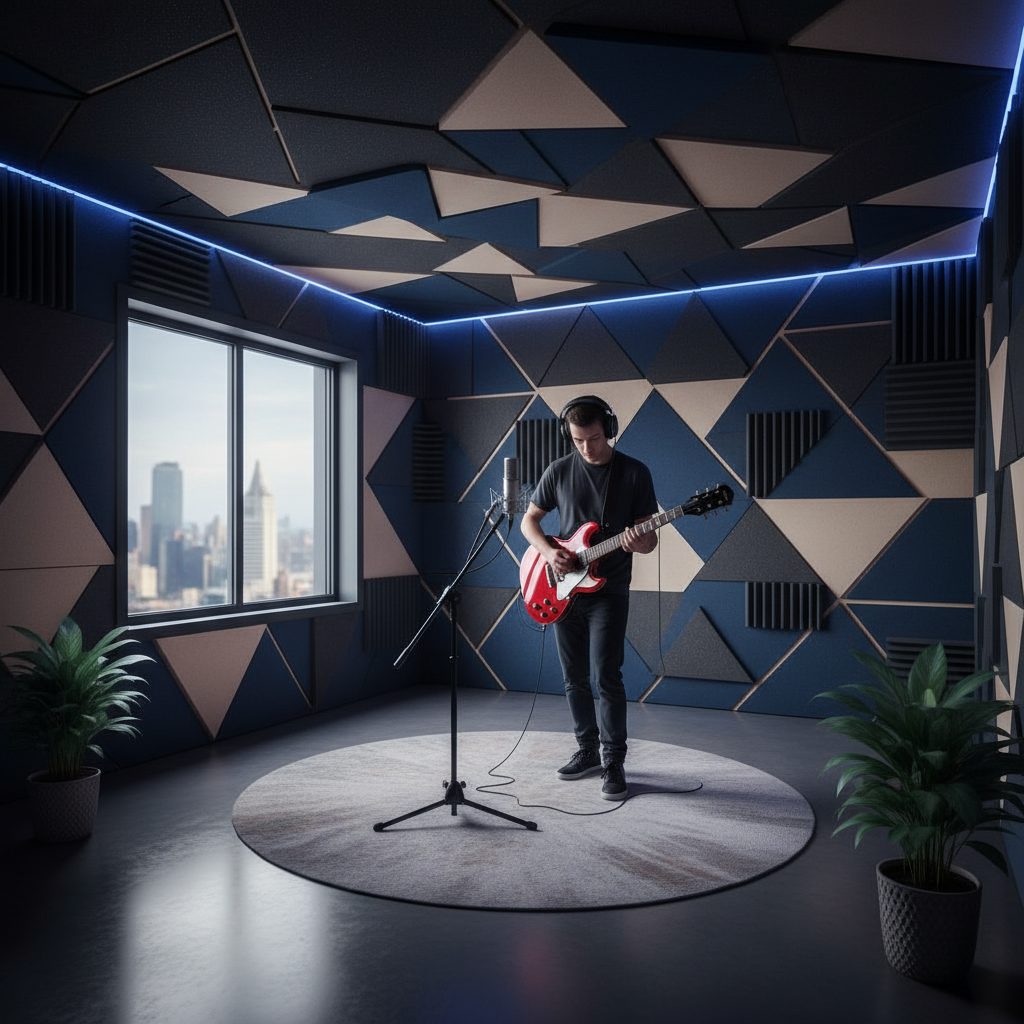
In various environments where noise control is critical, soundproof foam solutions have proven effective in mitigating unwanted sound. A notable case study involved a recording studio that faced challenges with external noise intrusion. By implementing high-density soundproof foam panels on walls and ceilings, the studio significantly enhanced its acoustic environment. The reduction in sound reflection and absorption of ambient noise allowed musicians and producers to achieve clearer recordings, ultimately improving the quality of their projects.
Another compelling example can be found in an open-office setting where distractions posed a significant challenge to productivity. The company opted for soundproof foam baffles hung from the ceiling and wall-mounted panels. This strategic placement not only minimized noise between workstations but also created a more comfortable atmosphere for employees. As a result, the workplace experienced an increase in focus and collaboration, showcasing how effective soundproofing solutions can transform everyday office dynamics. These real-world applications highlight the versatility of soundproof foam in diverse settings, affirming its role in fostering optimal acoustic conditions.
This chart showcases the noise reduction coefficients (NRC) of five different soundproof foam materials based on real-world applications. The values represent the average NRC ratings derived from various case studies in commercial and residential environments.