

Top 10 Benefits of Soundproof Rooms for Home and Office Use
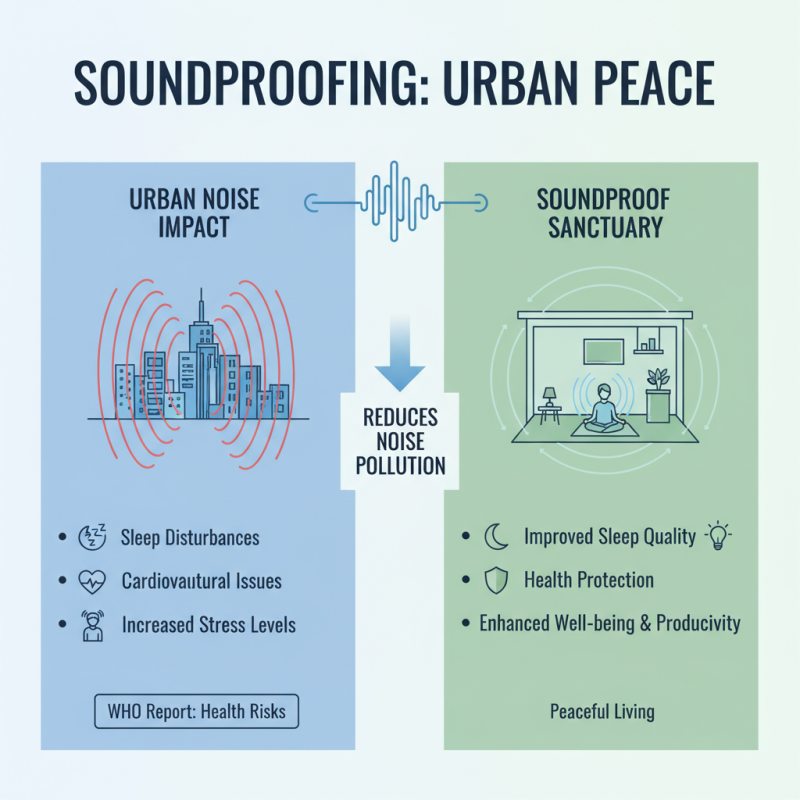
In today's fast-paced world, the demand for peace and quiet within our personal and professional spaces has never been more crucial. As urban living continues to expand, studies reveal that noise pollution has significant negative effects on our mental and physical well-being. According to the World Health Organization, excessive noise exposure is linked to various health issues, including increased stress levels, sleep disturbances, and even cardiovascular diseases. In response to these challenges, the concept of a Soundproof Room has emerged as a vital solution to fostering a tranquil environment.
Soundproof rooms not only enhance acoustic comfort but also contribute to improved productivity and focus. Research shows that workplaces optimized for minimal noise distractions can increase employee efficiency by up to 25%. Additionally, home environments that prioritize sound insulation help create sanctuaries for relaxation, meditation, and creativity. As homeowners and business operators recognize the myriad advantages of soundproofing, integrating these specialized rooms into their spaces is becoming a strategic choice for enhancing quality of life and work performance. By investing in soundproof rooms, individuals and organizations can effectively combat the detrimental impacts of noise, leading to a more serene and productive atmosphere.

Benefits of Soundproof Rooms in Enhancing Privacy and Focus
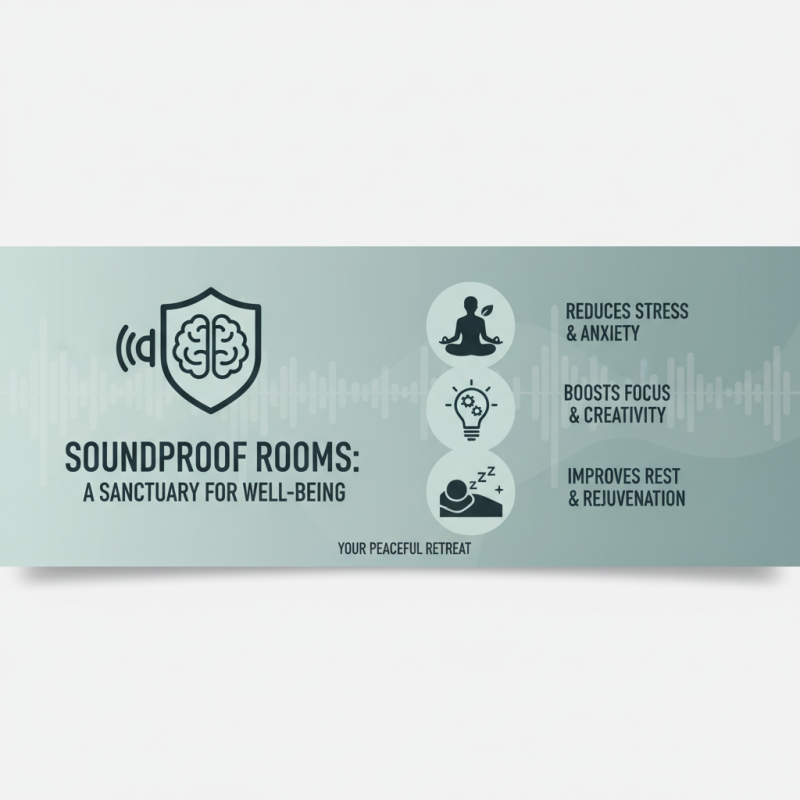
Soundproof rooms offer significant advantages when it comes to enhancing both privacy and focus in home and office environments. In an age where distractions are ubiquitous, having a dedicated space that is insulated from external noise can be transformative. For individuals working from home or fulfilling responsibilities in a bustling office, soundproofing becomes essential in facilitating deeper concentration. The tranquility of a soundproof room allows for uninterrupted workflow, enabling tasks to be completed more efficiently and effectively.
Furthermore, soundproof rooms enhance privacy, making them ideal for confidential meetings, calls, or personal reflection. In corporate settings, fostering an environment where sensitive discussions can take place without the fear of being overheard is crucial for maintaining professionalism and trust. Likewise, at home, such spaces offer a sanctuary for relaxation or creative pursuits, shielded from the often chaotic noise of daily life. This not only nurtures productivity but also enhances mental well-being, as individuals can retreat to a quiet space to recharge or find inspiration without external interruptions.
Top 10 Benefits of Soundproof Rooms for Home and Office Use
| Benefit | Description |
|---|---|
| Enhanced Privacy | Soundproof rooms provide a barrier to external noise, ensuring confidential conversations remain private. |
| Increased Focus | Reduced noise distractions lead to improved concentration and productivity levels in both home and office settings. |
| Better Sleep Quality | Soundproofing can minimize disruptive sounds, aiding restful sleep for individuals in busy environments. |
| Reduced Stress | A quieter space can lead to lower stress levels, creating a more peaceful environment at home and work. |
| Enhanced Acoustics | Soundproof rooms improve the overall acoustics, making them ideal for music practice or broadcasting. |
| Increased Property Value | Homes and offices equipped with soundproofing often have higher market value due to the added privacy benefit. |
| Flexibility in Space Usage | Soundproof rooms allow for versatile use, turning spaces into offices, studios, or relaxation areas without noise interference. |
| Improved Communication | In a quiet environment, communication becomes clearer and more effective, especially in team settings. |
| Health Benefits | Reducing noise pollution can lead to a lower risk of hearing loss and other health issues associated with high noise levels. |
| Enhanced Creativity | Quieter spaces may facilitate better brainstorming and creative processes by minimizing distractions. |
Related Posts
-
Exploring Innovative Sound Deadening Panels at the 138th China Import and Export Fair 2025
-
Maximize Your Space's Acoustics: Effective Sound Absorption Techniques Backed by 80% Industry Success Rate
-

Top 10 Sound Proof Panels for Enhanced Noise Reduction: Expert Insights & Trends
-
What Are Sound Deadening Panels and How Do They Improve Your Space?
-
Creating Your Perfect Soundproof Room for Ultimate Peace and Quiet
-
Exploring the Science Behind Soundproof Rooms: Key Noise Reduction Techniques and Benefits for Homeowners