
In today’s noisy world, soundproofing has become essential. With urban living and constant distractions, people seek peace at home. One expert in the field, Dr. Emily Hart, states, “Soundproofing is not just a luxury; it is a necessity for well-being.”
Soundproofing involves blocking or absorbing sound waves to create quieter spaces. It uses various materials, such as acoustic panels, insulation, and sound barriers. Homeowners often overlook the need for proper soundproofing. The sounds from the streets can invade personal sanctuaries, disrupting daily life.
Many might think that soundproofing is only for studios or offices. However, even living rooms and bedrooms benefit from it. Every space deserves tranquility. As we dive deeper into what soundproofing is, we can explore its techniques and benefits more closely. It’s an area ripe for understanding and improvement.
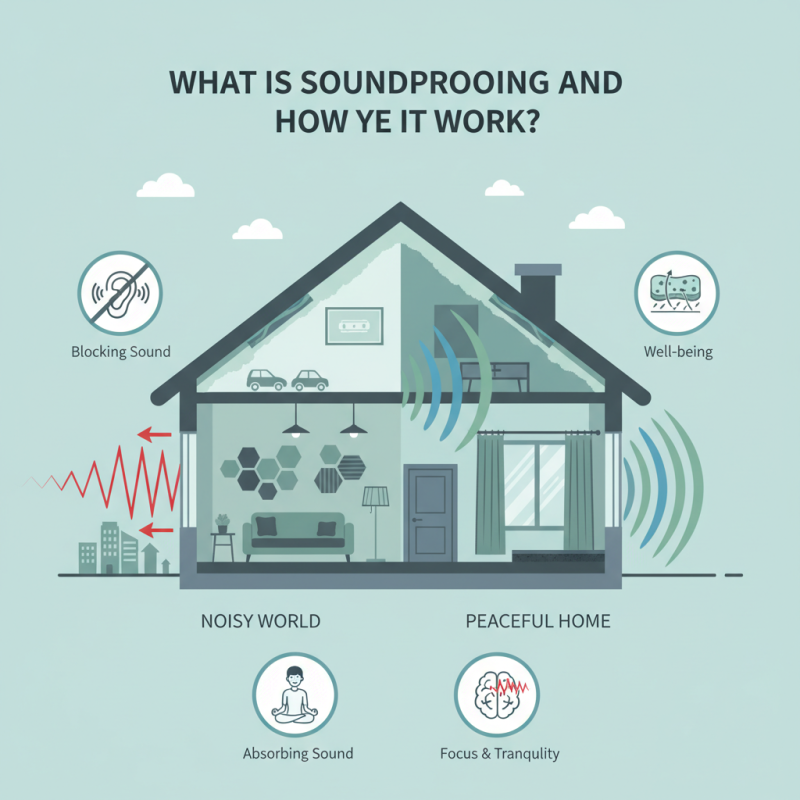
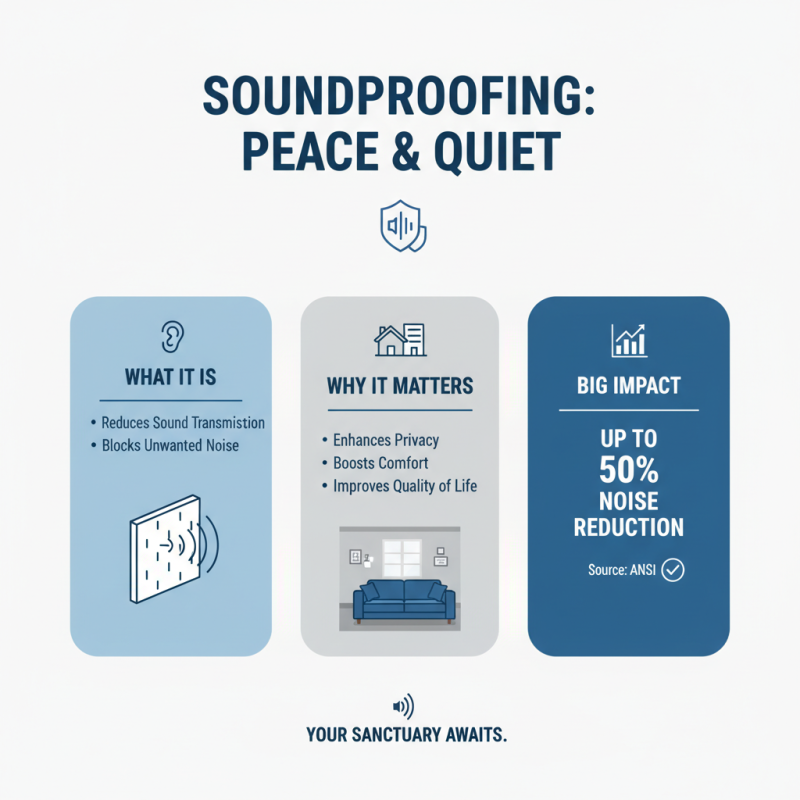
Soundproofing refers to methods used to reduce sound transmission. It's essential for maintaining privacy and improving comfort in both residential and commercial spaces. The American National Standards Institute reports that effective soundproofing can lower unwanted noise by up to 50%. This significantly enhances the quality of life in noisy environments.
The importance of soundproofing cannot be overstated. For instance, studies show that excessive noise exposure can lead to stress and health issues, including sleep disturbances. According to the World Health Organization, around 40% of the population in urban areas suffers from noise-related sleep problems. Soundproofing helps mitigate these issues.
Incorporating materials like acoustic panels or soundproof windows can make a difference. Beyond just reducing noise, these techniques improve overall building value and can contribute to energy efficiency. However, it’s crucial to remember that not all methods guarantee complete sound isolation. Reflection on budgets and methods is vital. Achieving optimal soundproofing often requires a tailored approach, considering specific needs and challenges.
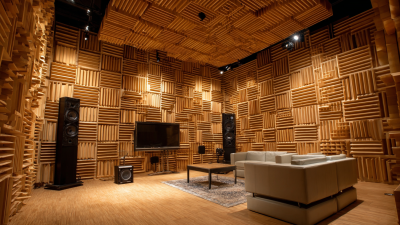
When it comes to soundproofing, choosing the right materials is key. Foam panels are popular for absorbing sound waves. They often come in various shapes and colors, making them visually appealing. However, they may not completely block sound unless used with additional layers.
Mass-loaded vinyl (MLV) offers more density, making it effective at blocking noise. It's commonly used in walls and ceilings. Installation can be challenging, and it requires careful sealing to avoid gaps. Another common choice is resilient channels. These are metal strips that help decouple drywall from framing. They can reduce the amount of noise transmitted through walls, but proper installation is critical for effectiveness.
On the other hand, some materials can be less effective than expected. Acoustic insulation works well, but its performance diminishes if not properly installed. Some soundproofing techniques may also require professional help, which can be costly. Balancing budget and effectiveness is like walking a tightrope. Homeowners might question whether their efforts truly justify the expense.
| Material Type | Description | Common Uses | Effectiveness |
|---|---|---|---|
| Acoustic Foam | A lightweight foam that absorbs sound waves, reducing echo and reverberation. | Recording studios, home theaters, and music practice rooms. | Moderate |
| Mass Loaded Vinyl (MLV) | A dense material that adds mass to walls or floors, blocking sound transmission. | Walls, ceilings, and floors in residential or commercial settings. | High |
| Soundproof Drywall | Specially designed drywall that incorporates sound-damping materials. | New constructions and renovations where sound insulation is required. | High |
| Insulation (Fiberglass or Mineral Wool) | Material that traps sound waves and helps reduce sound transmission through walls. | Between walls, floors, and ceilings in buildings. | Moderate to High |
| Green Glue | A sound-damping compound used between layers of drywall. | Renovations, soundproofing walls and ceilings. | High |
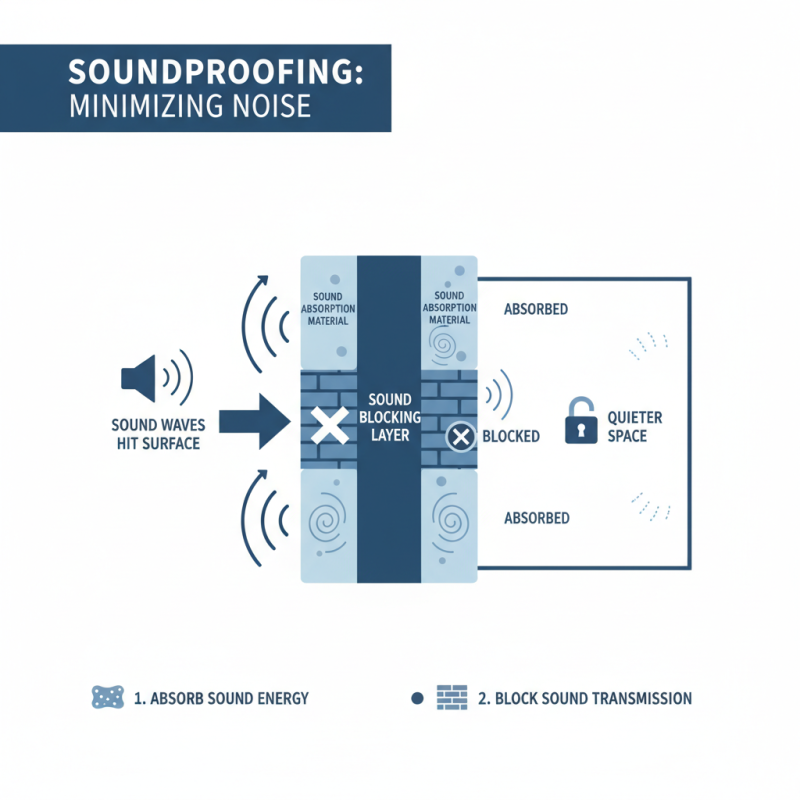
Soundproofing focuses on minimizing sound transmission between spaces. This process involves understanding sound waves. When sound waves hit a surface, some energy is absorbed, and some is reflected. The effectiveness of soundproofing relies on materials that can either absorb or block these waves.
Various soundproofing materials work on different principles. For example, dense materials like concrete can block sound due to their mass. Meanwhile, foam panels absorb sound waves and prevent them from bouncing around a room. Some people believe that covering walls with heavy textiles can enhance soundproofing, yet the effectiveness varies.
Not all soundproofing solutions are foolproof. Flaws may arise during installation or from incorrect material choices. Gaps in windows or doors can let sound leak through, undermining efforts. Regular reflection on these shortcomings can lead to better strategies in soundproofing projects. Understanding the mechanisms involved is essential for achieving effective results.
Soundproofing is increasingly crucial in various settings. Many industries recognize its benefits. For example, in the hospitality sector, hotels often install soundproofing materials. This enhances guests' experiences by reducing external noise. A study showed that 76% of travelers value soundproof environments.
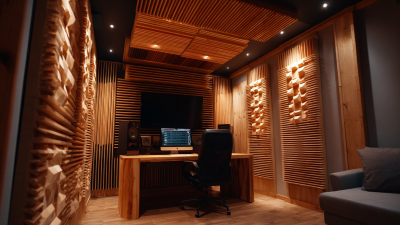
In residential areas, soundproofing improves quality of life. Homeowners are more inclined to invest in insulation solutions for better peace. Residential music studios commonly use specific soundproofing techniques. Data reports indicate that acoustic panels reduce sound transmission by up to 60%. Yet, not every solution fits all spaces.
Businesses also implement soundproofing for productivity. Open offices frequently face noise challenges. Research indicates noise interruptions can decrease focus by 20%. Companies are now exploring modular soundproofing solutions. They aim to create quieter zones within busy workplaces, but results can vary based on design and materials.
Effective soundproofing in homes and offices requires careful planning. Start with the walls. Adding sound-absorbing panels can significantly reduce noise. These panels come in various textures and colors, allowing for customization. Aesthetic appeal matters, especially in workspaces.
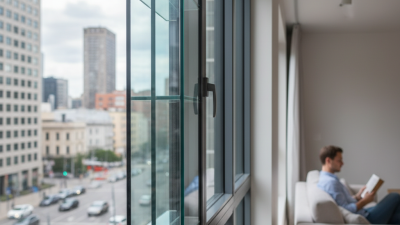
Windows often allow noise to seep in. Thick curtains are an easy fix. They not only block sound but also add warmth to a room. Consider weather stripping for tight seals. Small gaps can let in unwanted sounds.
Floor coverings play a crucial role as well. Carpets can dampen impact noise from footsteps. For hard surfaces, area rugs can serve a similar purpose. Remember, it’s not just about creating silence. It's about enhancing the environment. Reflecting on your needs can guide your choices. Balancing aesthetics with functionality may prove challenging.