
Soundproof Windows are a vital solution for urban living. Noise pollution affects millions, impacting health and productivity. According to a report by the World Health Organization, over 30% of people in urban areas suffer from stress due to noise. Soundproofing technology is becoming essential in modern construction.
These windows utilize advanced materials and technologies for reducing sound transmission. They often incorporate double or even triple glazing. This design can lower external noise levels by up to 90%. Many homeowners and businesses are now prioritizing these upgrades to enhance comfort.
Despite the benefits, not all soundproofing solutions are perfect. Some may not achieve the expected noise reduction due to installation flaws. Homeowners should ensure proper sealing and framing for optimal performance. Soundproof Windows present an effective way to combat noise, yet require careful consideration and planning.
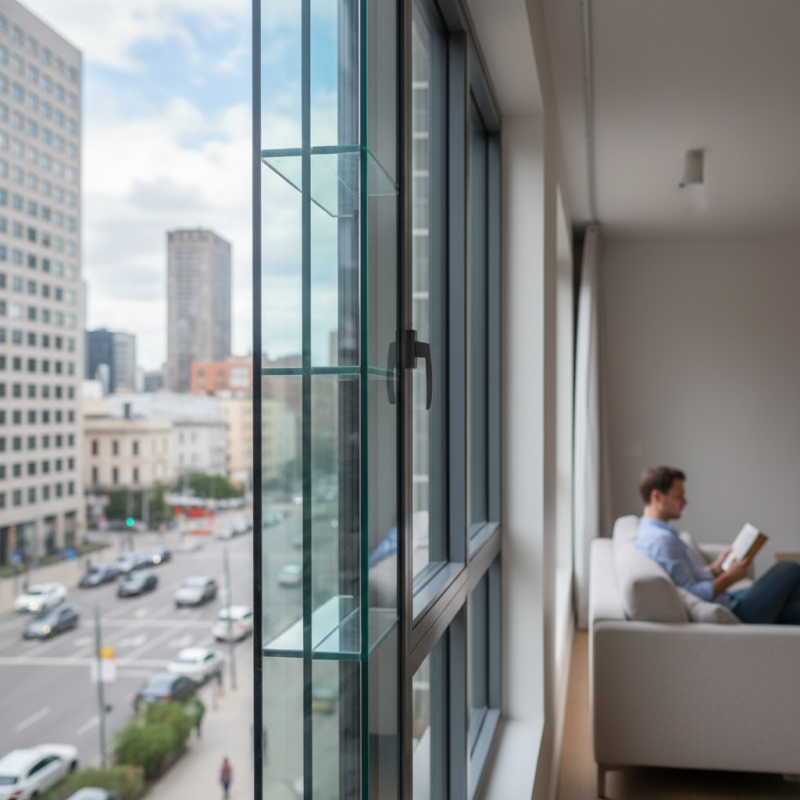
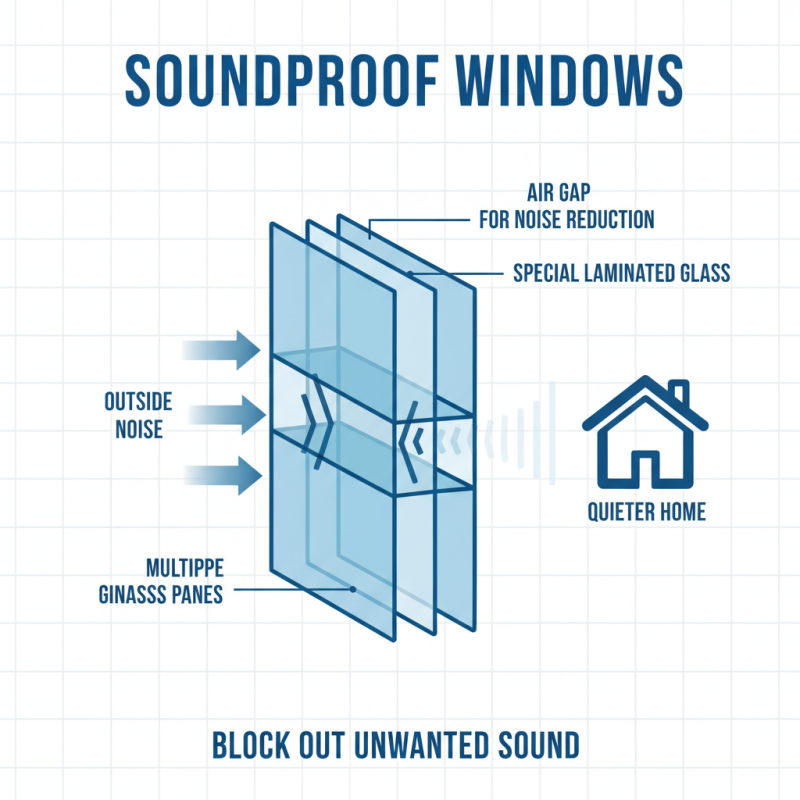
Soundproof windows are designed to reduce noise from the outside environment. They are more than just regular windows. These windows use special materials and techniques to block sound waves. Usually, they feature multiple layers of glass, with air gaps that absorb noise. This prevents loud sounds from entering your home.
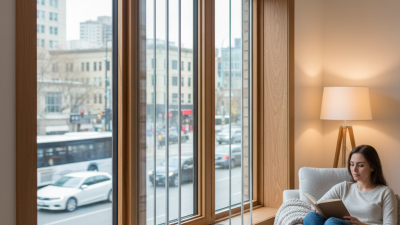
Many people live in noisy areas. They often deal with traffic, construction, or loud neighbors. Soundproof windows can make a significant difference. The right installation can transform a noisy living space into a peaceful retreat. However, these windows can be expensive. Some might question if the cost is worth it. Individual needs vary, so it’s important to reflect on your specific situation.
Not all soundproof windows are equally effective. Some may only block certain frequencies. If you're considering them, research thoroughly. You might find mixed reviews from users. While some swear by their effectiveness, others feel disappointed. Evaluating your priorities and budget is crucial. Noise reduction can greatly enhance comfort and well-being at home.
Soundproof windows are specially designed to reduce noise from outside. They use specific features and materials that make them effective. One key aspect is the use of multiple panes. These panes create a barrier against sound waves. Air gaps between the panes enhance their sound-dampening abilities.
Another essential feature is the frame construction. A robust frame prevents sound leaks. Materials like vinyl or fiberglass are often used for better insulation. Some windows also include acoustic lamination. This technology adds a layer that further absorbs sound.
The installation process is crucial, too. Poor fitting can lead to gaps, allowing noise to seep through. Regular checks are necessary to ensure the seals remain intact. Soundproof windows can significantly improve living conditions. Yet, they may not eliminate every sound. It’s good to reflect on the balance between cost and effectiveness.
Soundproof windows reduce noise effectively by utilizing a combination of materials and design techniques. These windows typically feature multiple layers of glass with varying thicknesses. The space between the panes is often filled with argon gas or left as a vacuum. This design significantly dampens sound waves from entering your home.
Another important aspect is the frame construction. Thick, insulated frames further block noise. Seals around the window also play a crucial role, preventing air leaks that can carry sound. Even small gaps can diminish soundproofing. It's fascinating to see how these windows can turn a noisy street into a peaceful retreat.
However, some may find the installation process daunting. Weather conditions can delay installation, affecting efficiency. Not all soundproof windows fit perfectly into existing frames, leading to additional costs or adjustments. Balancing sound reduction and aesthetics often presents a challenge. These factors can make homeowners hesitate before committing to such an upgrade.
Installing soundproof windows can significantly improve your living environment. The process typically starts with an assessment of your current windows. Assessing the size and condition of the existing frames is crucial. Measure carefully to ensure proper fitting. If the frames are damaged or poorly sealed, you may need to address those issues first.
Next, it's essential to select the right materials for soundproofing. Double or triple-pane glass works well. Space between the panes also plays a role; larger gaps can enhance sound isolation. You may need assistance to handle the heavier glass. The installation should be done meticulously to avoid any gaps that could let sound through. Sealing the edges with high-quality caulk can help prevent sound leakage.
Once installed, it’s important to test the soundproofing effectiveness. Some might find that certain frequencies still penetrate. This can be frustrating. It may also require re-evaluation of the installation process. Checking for air leaks and ensuring complete sealing is vital. Patience is needed, and it’s worth the effort for a quieter, more peaceful home environment.
Maintaining soundproof windows is crucial for their effectiveness. Regular inspection is key. Check the seals and frames for any gaps or wear. If you notice cracks or damage, address them promptly. These issues can compromise the soundproofing capabilities.
Cleaning is essential too. Use a soft cloth and a mild detergent for the glass. Avoid harsh chemicals that can damage seals. Remember, the frame requires care as well. Dust buildup can affect performance over time. A gentle vacuuming might be beneficial.
Consider the environment around your windows as well. Over time, weather changes can impact their condition. Extreme temperatures might warp materials or cause wear. Regularly assess how external factors affect your windows. Reflect on whether you need professional maintenance or if you can manage small repairs yourself.