
Please ensure Javascript is enabled for purposes of website accessibility

What is Sound Proof Foam and How It Transforms Your Acoustic Space?

In the realm of acoustics, the term "sound proof foam" has garnered significant attention for its transformative effects on acoustic spaces. Industry expert Dr. Emily Carter, a renowned acoustics engineer at the The Acoustical Society of America, notes, “Sound proof foam is not just a simple material; it’s a pivotal solution for controlling sound and enhancing the auditory experience in any environment.” This statement encapsulates the essence of sound proof foam and its pivotal role in various settings, from home studios to commercial spaces.
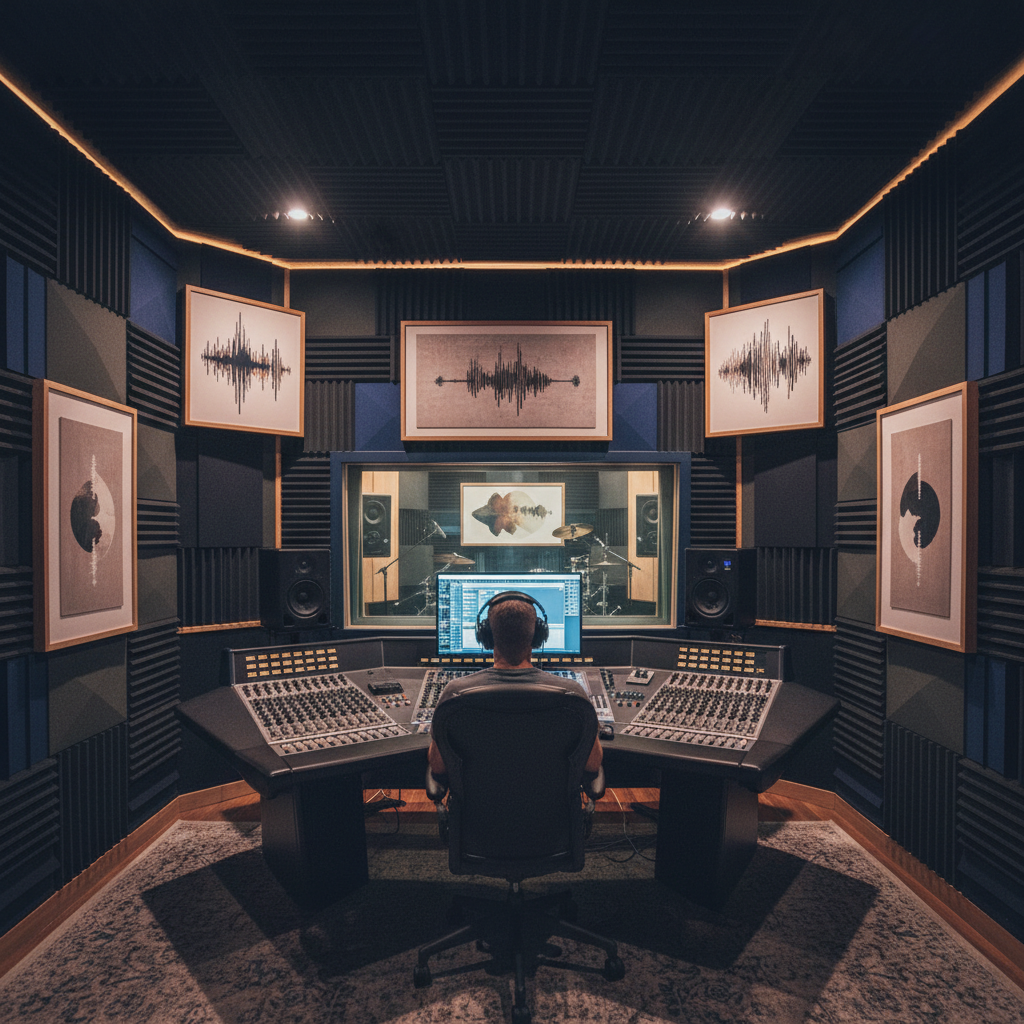
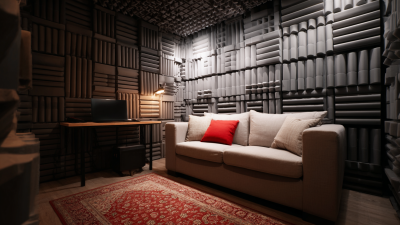
What is Sound Proof Foam and How It Transforms Your Acoustic Space? Sound proof foam comprises open-cell polyurethane and similar materials designed to absorb sound waves, reducing echo and reverberation. By strategically placing these panels in a room, one can create a more controlled auditory environment, whether for music production, podcasting, or simply enjoying a quiet space. Acoustic treatment is increasingly vital as our lives become inundated with noise pollution, making the understanding of sound proof foam more relevant than ever.

As we delve deeper into the characteristics, benefits, and applications of sound proof foam, the knowledge gained will empower individuals and businesses alike to transform their acoustic spaces, ultimately enhancing the quality of sound and serenity within their environments.

What is Sound Proof Foam and Its Key Features

Soundproof foam is a specialized material designed to absorb sound waves and reduce noise transmission in various environments. Its key features include density, thickness, and surface texture, all of which contribute to its effectiveness in managing sound. Typically made from polyurethane or melamine foam, soundproof foam can be easily installed in homes, studios, and offices to enhance acoustic quality. It not only minimizes reverberation but also helps in creating a quieter space, making it ideal for music production, broadcasting, or simply enjoying a peaceful environment.

When choosing soundproof foam, look for products that have a high Noise Reduction Coefficient (NRC) rating, as this indicates their sound-absorbing capabilities. Additionally, consider the foam's thickness; thicker panels are often more effective at absorbing lower frequencies. For those integrating soundproofing into a room, combining foam with other materials like acoustic panels or mineral wool can lead to even better results. Remember, effective soundproofing doesn't just improve audio quality; it also enhances overall comfort in your space.
The Science Behind Sound Absorption and Noise Reduction

Sound proof foam is a specialized material designed to enhance acoustic treatment in various environments by significantly reducing sound transmission and echo. The science behind sound absorption revolves around the material's ability to dampen sound waves. When sound waves encounter a soft surface like foam, the foam's porous structure allows the waves to penetrate, converting their energy into small amounts of heat through friction. This process minimizes the reflection of sound waves within a space, fostering a more controlled and pleasant auditory experience.

The effectiveness of sound proof foam is often evaluated through its Noise Reduction Coefficient (NRC) rating, which measures how much sound is absorbed when it strikes the material. Higher NRC values indicate greater sound absorption capabilities. This unique characteristic makes sound proof foam especially useful in recording studios, home theaters, and environments where clear sound quality is paramount. By strategically placing foam panels or tiles, one can significantly transform an acoustically challenging space into a more serene and focused environment, whether for professional or personal use.

Types of Sound Proof Foam and Their Unique Applications

What is Sound Proof Foam and How It Transforms Your Acoustic Space?

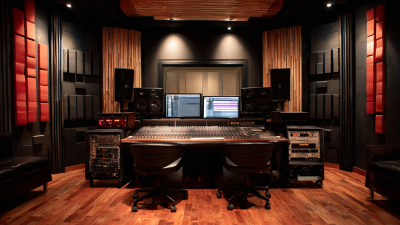
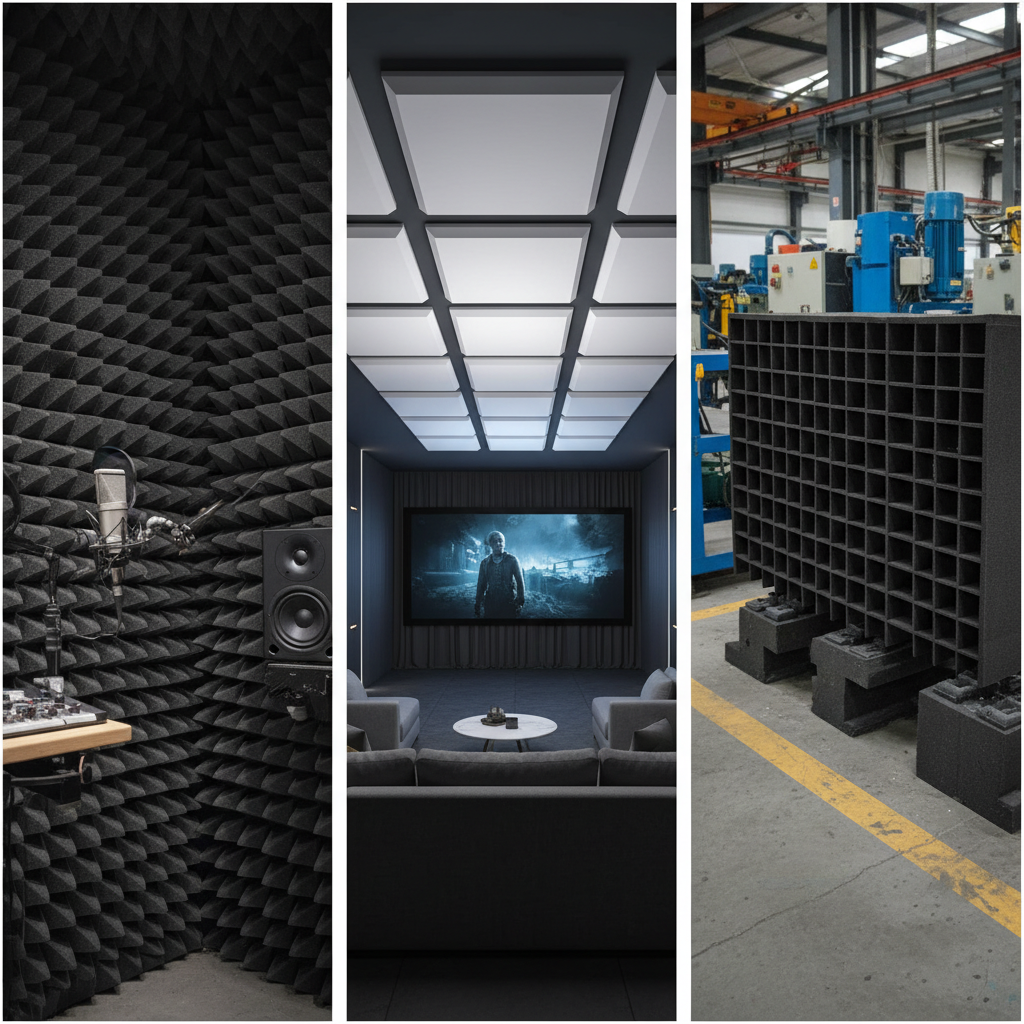
Sound proof foam comes in various types, each serving unique applications in transforming acoustic spaces. The most common types are flexible foam, rigid foam, and vibration isolation foam. Flexible foams are typically used for sound absorption in recording studios and home theaters, where minimizing echo and enhancing sound quality is paramount.

According to industry reports, the global industrial noise control market is expected to see significant growth, driven by the increasing demand for noise-reducing materials across sectors.

Rigid foam, on the other hand, is often utilized in construction for soundproofing walls and ceilings, providing high insulation values due to its density. This type of foam is effective in commercial settings where noise pollution is a concern. Meanwhile, vibration isolation foam is specially designed to absorb vibrations from machinery and equipment, making it essential in industrial applications.

The data center insulation market, valued at $455.6 million in 2024, highlights the growing trend of using advanced materials to enhance sound and thermal properties in technological installations.

Tips: When selecting sound proof foam, consider the specific noise issues you are facing and choose the right type of foam for optimal effectiveness. Additionally, ensure proper installation to maximize the foam's acoustic performance.

Benefits of Using Sound Proof Foam in Various Environments

Sound proof foam is an effective solution for enhancing acoustic quality in various environments, providing significant benefits in both residential and commercial spaces. One of the primary advantages is its ability to reduce unwanted noise, which can be particularly valuable in homes located in bustling neighborhoods or for businesses such as recording studios. By absorbing sound waves, this material minimizes echoes and reverberation, allowing for clearer audio experiences and more focused environments.

When incorporating sound proof foam, it's essential to consider placement. Covering key areas such as walls, ceilings, and even corners can greatly enhance sound absorption. For optimal results, ensure that the foam panels are arranged strategically, targeting the areas where sound tends to bounce the most. Additionally, mixing different types of foam can help address a wider range of frequencies, leading to a more balanced acoustic space.

Moreover, in spaces like offices or libraries where concentration is vital, sound proof foam creates a quieter atmosphere that promotes productivity and reduces distractions. Utilizing acoustic panels or foam in home theaters can significantly elevate the viewing experience by delivering richer sound quality. By understanding and leveraging the benefits of sound proof foam, individuals and businesses can transform their environments into acoustically pleasing spaces.

Sound Proof Foam Effectiveness in Different Environments

How to Choose and Install Sound Proof Foam Effectively

Choosing the right soundproof foam involves several considerations to ensure optimal acoustic treatment for your space. First, assess the specific needs of the area you want to soundproof. Rooms with high levels of noise, such as studios or home theaters, may require thicker foam with a higher density to absorb sound more effectively. Look for products that exhibit a high Noise Reduction Coefficient (NRC) to gauge their effectiveness in damping sound waves.

Once you have selected the appropriate foam, installation becomes crucial. Begin by determining the best placement for your foam panels, focusing on areas where sound reflections are most prominent, such as walls and corners. Proper spacing and alignment can maximize their performance, allowing for even sound distribution throughout the room. Use adhesive spray or double-sided tape for application, ensuring a secure fit that remains durable over time. With the right selection and installation techniques, soundproof foam can significantly enhance the acoustic quality of any environment.

What is Sound Proof Foam and How It Transforms Your Acoustic Space? - How to Choose and Install Sound Proof Foam Effectively

Dimension Description Usage Guidelines Installation Tips
Material Type Open-cell or Closed-cell foam Choose based on sound absorption needs. Ensure proper density for efficacy.
Thickness 1 inch to 4 inches Thicker foam provides better soundproofing. Use multiple layers for enhanced performance.
Color Options Variety of colors available Select colors that match your space décor. Consider mixing colors for aesthetic appeal.
Application Areas Studios, home theaters, open offices Identify areas with high noise levels. Focus on corners and walls for best results.
Acoustic Rating NRC rating (Noise Reduction Coefficient) Choose a higher NRC for better sound absorption. Check manufacturer specifications for ratings.