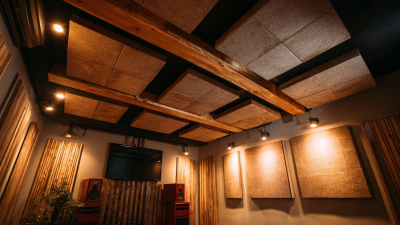
Why Sound Blocking Panels Are Essential for Noise Reduction at Home
In today's fast-paced world, noise pollution has become a growing concern, especially within the confines of our homes. As urban living continues to rise, many homeowners find themselves battling everyday disturbances—from the sounds of traffic outside to the chatter of neighbors. This is where sound blocking panels come into play, offering a practical solution for those seeking peace and tranquility within their living spaces. These panels are specifically designed to absorb and dampen sound, making them essential tools for effective noise reduction.
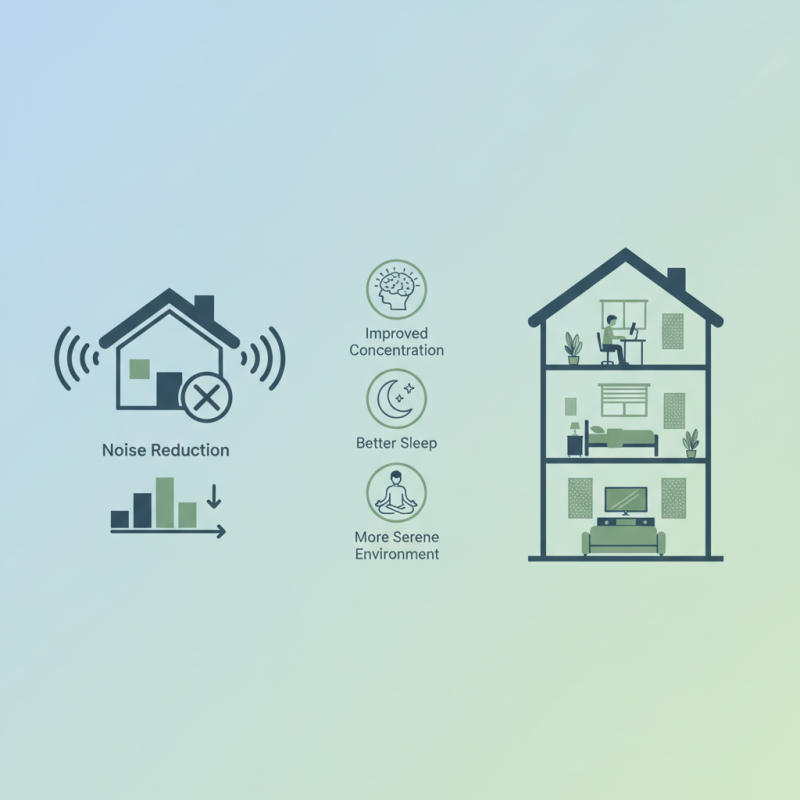
The benefits of incorporating sound blocking panels into your home extend beyond mere comfort. By minimizing unwanted noise, these panels can enhance your overall quality of life, allowing for improved concentration, better sleep, and a more serene environment for relaxation or work. Additionally, sound blocking panels are versatile and can be strategically placed in various areas of the home, ensuring that specific zones—such as home offices, bedrooms, or entertainment spaces—can be tailored to your personal acoustical needs. Ultimately, investing in sound blocking panels not only elevates the acoustic quality of your home but also contributes to a healthier and more enjoyable living experience.
Understanding Noise Pollution and Its Effects on Home Environments
Noise pollution has increasingly become a significant concern in our modern home environments, impacting our overall well-being. The prevalence of urban life, coupled with constant technological advancements, has led to an influx of sounds that can disrupt our peace. This pervasive noise can stem from various sources, such as traffic, construction, and even appliances within our homes. The effects are far-reaching, contributing to stress, decreased productivity, and sleep disturbances, all of which can significantly hinder our quality of life.
Understanding the impact of noise pollution is crucial for creating a tranquil living space. Chronic exposure to loud sounds can lead to health issues, including anxiety and cardiovascular problems. As such, it becomes imperative to address these challenges through effective sound management strategies. Sound blocking panels serve as valuable tools in mitigating noise by absorbing and deflecting sound waves, consequently creating a more serene environment. By investing in noise reduction solutions, homeowners can transform their spaces into personal retreats, enhancing comfort and promoting an overall sense of well-being.
The Role of Sound Blocking Panels in Achieving Peaceful Spaces
Sound blocking panels play a crucial role in transforming noisy environments into peaceful spaces. By reducing unwanted noise, these panels enable homeowners to create serene atmospheres conducive to relaxation, focus, and comfort. Whether it’s the bustling sounds from outside or echoes bouncing off walls, sound blocking panels act as effective barriers that absorb and deflect sound waves. This function is particularly essential in urban areas where traffic, construction, or other disturbances can disturb the tranquility of home life.
When considering the installation of sound blocking panels, there are a few tips to maximize their effectiveness. First, strategic placement is key; positioning panels on walls that face noisy streets or adjacent rooms can significantly diminish sound infiltration. Second, incorporating other soft furnishings, such as rugs and curtains, can complement the panels, further enhancing noise reduction. Lastly, choosing panels made from high-density materials will provide better sound absorption, ensuring a quieter living environment.
To maintain a peaceful space, regular evaluation of your sound blocking setup can be beneficial. As your environment changes, reassessing the placement of panels and adding new ones as needed can help adapt to new noise challenges. Investing in the right sound blocking solutions will not only improve your home's serenity but also contribute to your overall well-being by providing a calm and peaceful retreat.
Benefits of Sound Blocking Panels for Noise Reduction in Home Environments
Types of Sound Blocking Panels: Materials and Design Considerations
When considering sound blocking panels for effective noise reduction at home, various materials and design considerations play a crucial role in their performance. Research indicates that sound-absorbing materials can reduce noise transmission by as much as 70% when installed correctly. Common materials used for sound blocking panels include mass-loaded vinyl, fiberglass, and acoustic foam. Each material varies in density and absorption properties, making it essential to choose the right type based on the specific noise issues faced in a home environment. For instance, mass-loaded vinyl is particularly effective at blocking low-frequency noise, while acoustic foam tends to excel in higher frequencies, such as echoes and reverberation.
In addition to material selection, design considerations significantly impact the effectiveness of sound blocking panels. The thickness and density of the panels not only influence their soundproofing abilities but also their aesthetic integration into a home setting. Studies suggest that panels with a thickness of at least 2 inches offer a more substantial sound barrier compared to thinner alternatives. Furthermore, the arrangement of these panels can affect their acoustic performance; strategically placing them in areas where sound waves are most prominent can enhance noise reduction. Architectural elements such as wall coverings, window treatments, and even furniture layout should be considered to optimize the overall effectiveness of sound blocking solutions in any given space.
Installation Tips for Maximizing the Effectiveness of Sound Panels
When it comes to reducing noise at home, the installation of sound blocking panels is crucial. To maximize their effectiveness, first, consider the placement of the panels. According to research from the Acoustical Society of America, sound waves reflect off hard surfaces, amplifying noise levels. Therefore, placing panels in areas where sound bounces off walls, such as near windows or on walls adjacent to noisy neighbors, is essential. The recommended height for mounting these panels is at ear level to effectively absorb sound frequencies that are most disruptive.
Another key aspect of installation is ensuring complete coverage of the designated areas. A study by the National Institute of Standards and Technology indicated that a well-distributed placement of sound panels can reduce noise levels by up to 30%. To achieve this, use a combination of both large and strategically placed smaller panels to cover a variety of sound frequencies. Additionally, consider the material of the panels; using denser, thicker materials can significantly enhance sound absorption. By adhering to these installation tips, homeowners can create a quieter, more serene living environment.
Maintaining Sound Blocking Panels for Long-Term Noise Reduction Benefits
Maintaining sound blocking panels is crucial for ensuring their effectiveness in reducing noise long-term. Regular inspection is necessary to identify any wear or damage that could compromise their performance. Dust, dirt, and allergens can accumulate on the surface of the panels, so gentle cleaning with appropriate materials is essential. This not only keeps the panels looking their best but also enhances their sound-absorbing properties, ensuring that they continue to provide a peaceful environment in your home.
Additionally, the placement and installation of sound blocking panels significantly influence their durability and effectiveness. It's advisable to ensure they are mounted securely and in the optimal locations for maximum noise reduction. Over time, checking the seals and edges for any gaps can prevent sound leakage. When panels are well-maintained and strategically positioned, they effectively create a quieter living space, offering long-lasting benefits for comfort and tranquility.