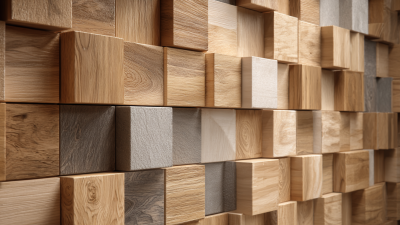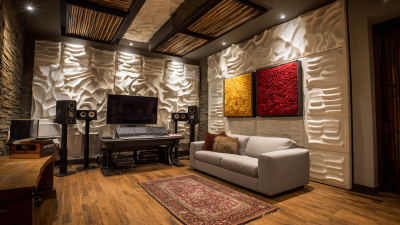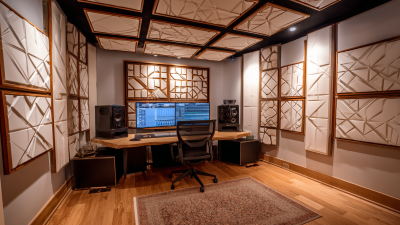

In today's fast-paced world, the importance of acoustics in our spaces cannot be overstated. Whether in a bustling office, a cozy restaurant, or a quiet home, the clarity and quality of sound can significantly affect our experiences. As noise pollution continues to rise, finding effective solutions for enhancing acoustics has become crucial. This is where sound absorbing wall panels come into play. These innovative panels are designed to mitigate unwanted noise and create a more harmonious auditory environment.
Sound absorbing wall panels work by reducing sound reflections and echoes, leading to improved speech clarity and overall sound quality. Their effective soundproofing capabilities are particularly beneficial in settings where communication is key, such as conference rooms, studios, or educational institutions. Furthermore, these panels not only offer functional benefits but can also be aesthetically pleasing, allowing for creative designs that enhance the visual appeal of the space.
In summary, incorporating sound absorbing wall panels is essential for anyone looking to improve the acoustic quality of their environment. By reducing noise levels and enhancing sound clarity, these panels can transform a space into a more pleasant and productive area, ultimately elevating the experience of all who occupy it.
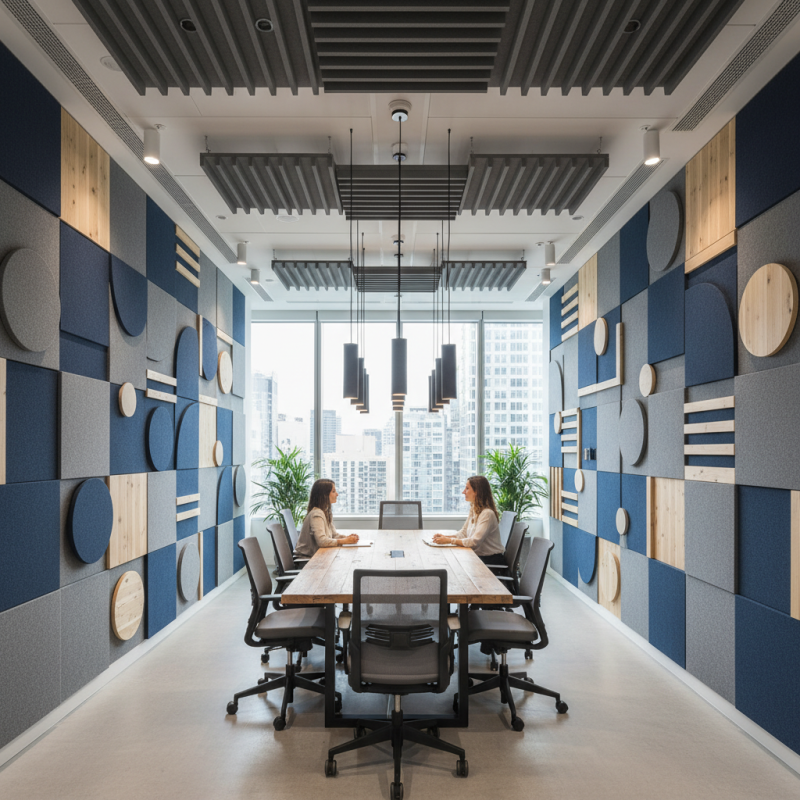
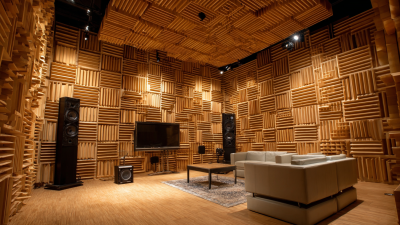
Sound absorbing wall panels are specialized materials designed to reduce noise and enhance acoustics within a space. These panels work by absorbing sound waves rather than reflecting them, which helps to mitigate echoes and background noise. This makes them essential for environments such as offices, recording studios, home theaters, and restaurants where clear communication and a comfortable auditory atmosphere are crucial.
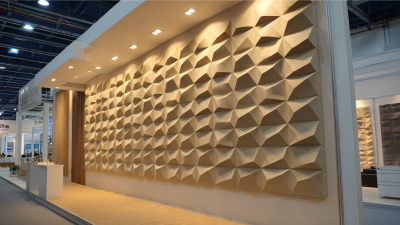
Incorporating sound absorbing panels can significantly improve the overall sound quality and aesthetic appeal of a space. They come in various designs, colors, and materials, allowing you to choose options that align with your interior decor while fulfilling acoustic needs. Whether you're looking to create a calm workspace or enhance the listening experience in a performance area, the right panels can make all the difference.
**Tips:** When selecting sound absorbing wall panels, consider the size and shape of the room. Larger spaces might benefit from bigger panels, while smaller rooms may require a combination of various sizes for effective sound absorption. Additionally, pay attention to the NRC (Noise Reduction Coefficient) rating of the panels; a higher NRC indicates better sound absorbing capabilities. Lastly, don't overlook the importance of proper installation, as even the best panels will underperform if not correctly positioned.
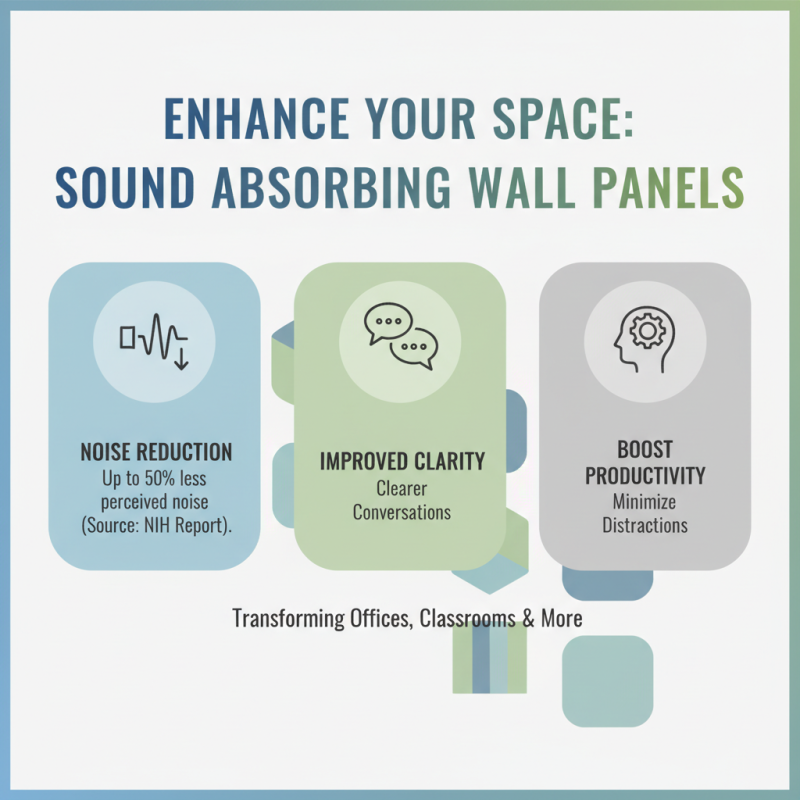
Sound absorbing wall panels play a crucial role in enhancing acoustics within various spaces, from commercial offices to educational institutions. One of the key benefits of installing these panels is their ability to significantly reduce noise levels. According to a report by the National Institute of Health, spaces that have implemented sound-absorbing materials can experience a reduction in perceived noise by up to 50%. This decline in noise levels not only improves clarity during conversations but also boosts overall productivity by minimizing distractions.
Another notable advantage of sound absorbing wall panels is their impact on overall health and well-being. Research published in the Journal of Environmental Psychology indicates that individuals in quieter environments show a marked improvement in concentration, creativity, and stress reduction. Furthermore, in settings such as classrooms, effective sound absorption can lead to enhanced learning outcomes, with studies suggesting a 20% increase in student retention rates when distractions are mitigated. By strategically incorporating sound absorbing wall panels, organizations can create more conducive environments, promoting both individual performance and collective collaboration.
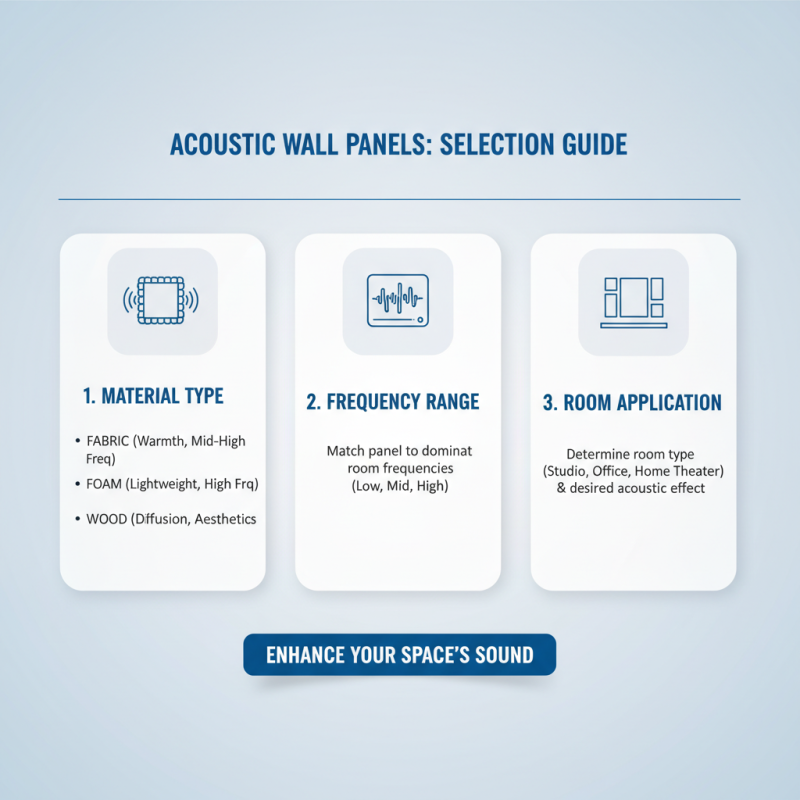
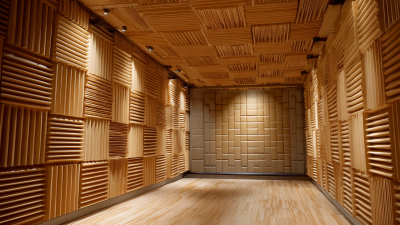
When selecting wall panels for enhanced acoustics, it's crucial to consider several factors that can significantly impact their effectiveness. First, the material of the panels plays a vital role. Common choices include fabric-wrapped panels, foam, and wood, each offering different sound absorption properties. For instance, fabric panels tend to provide a warmer aesthetic and better sound absorption in mid to high frequencies, while foam panels are often lightweight and effective in higher frequencies. Understanding the specific sound frequencies prevalent in your space will help in making an informed choice.
Another important factor is the thickness and density of the panels. Thicker panels generally absorb lower frequencies better than thinner ones. Depending on the goals for your space, you may need to balance aesthetics with performance; thicker panels might require more space or change the visual dynamics of a room. Additionally, consider the layout and placement of the panels. Strategic installation on walls and ceilings can maximize their acoustic benefits, ensuring that sound waves are effectively absorbed rather than reflected, which can enhance the overall auditory environment. Ultimately, selecting the right wall panels involves a thoughtful evaluation of materials, dimensions, and positioning to create an acoustically balanced space.
When it comes to achieving optimal acoustic performance in a given space, the installation techniques of sound-absorbing wall panels play a crucial role. Research from the Acoustical Society of America suggests that proper placement and alignment of these panels can significantly reduce sound reverberation time by up to 60%. This improvement not only enhances speech clarity in environments such as offices and classrooms but also creates a more pleasant auditory experience in venues like concert halls and restaurants.
To maximize the effectiveness of sound-absorbing panels, it's essential to consider factors like the height of the installation and panel density. According to a report by the National Institute of Building Sciences, positioning panels at ear level and using a combination of different panel sizes can effectively target a broader frequency range, resulting in improved overall sound quality. Additionally, ensuring that the panels are installed securely and with proper spacing can help to maintain their acoustic properties, as gaps can allow sound to escape, diminishing their effectiveness. By adopting these strategic installation techniques, spaces can achieve substantial enhancements in acoustic comfort and performance.
This chart illustrates the impact of sound absorbing wall panels on the noise reduction rate in different types of spaces. As shown, spaces like recording studios benefit greatly from these panels, achieving up to 90% noise reduction, while other areas, such as living rooms, see more modest improvements.
Proper maintenance and care for sound absorbing wall panels are crucial to ensuring their longevity and effectiveness in enhancing acoustics. Regular cleaning is essential, as dust and debris can accumulate on the surface, diminishing the panel’s sound absorption properties. Using a soft, damp cloth to wipe down the panels helps maintain their appearance and performance. For tougher stains, a mild detergent can be applied, but it’s important to avoid harsh chemicals that could damage the material. Additionally, monitoring humidity levels in the space is beneficial since excessive moisture can lead to mold growth, potentially compromising the panels' structure and effectiveness.
Incorporating routine inspections into your maintenance schedule is another key aspect of caring for sound absorbing wall panels. Look for any signs of wear, such as tears or discoloration, which may indicate that the panels need repair or replacement. Ensure that the mounting hardware is secure and that the panels remain firmly attached to the wall. Depending on the material used, some panels may require reconditioning or additional treatments over time to refresh their sound-absorbing capabilities. By diligently caring for your wall panels, you can maintain an optimal acoustic environment while extending the life of your investment.