
Please ensure Javascript is enabled for purposes of website accessibility

Why Use Sound Absorbing Foam for Better Acoustics?

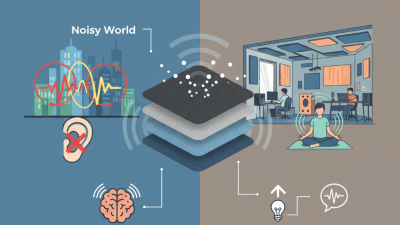
In today's world, sound quality plays a vital role in various environments. To achieve better acoustics, professionals often turn to sound absorbing foam. This material is essential for controlling sound waves and reducing unwanted noise.

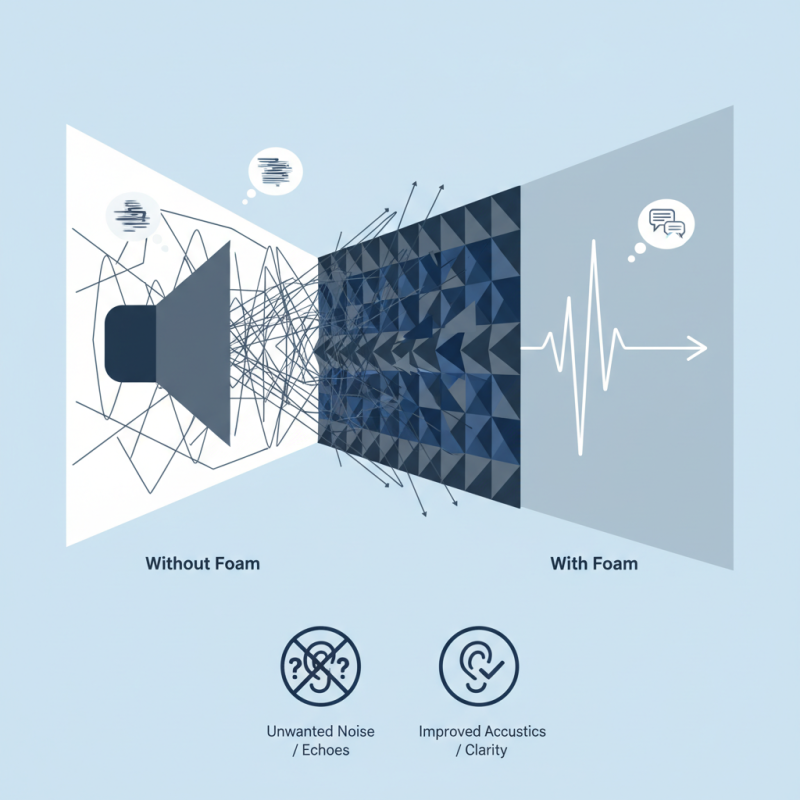
Sound engineer John Smith emphasizes, "Using sound absorbing foam transforms spaces by improving their acoustic quality." Such foam acts as a barrier, reducing echoes and reverberation. Imagine a large room filled with chatter. Without sound absorbing foam, voices merge into a confusing cacophony. However, add foam panels, and suddenly, conversations become clearer and more pleasant.

Despite its advantages, some may overlook its importance. Proper placement of sound absorbing foam is crucial for the best results. Many may not consider how their environment affects sound. It's essential to reflect on these aspects to fully utilize sound absorbing foam. Ignoring them could mean missing out on enhanced sound quality and comfort.
Why Use Sound Absorbing Foam for Better Acoustics?

Understanding Sound Absorption and Its Importance in Acoustics

Sound absorption is critical for great acoustics, whether in home theaters, recording studios, or public spaces. Understanding how sound-absorbing foam works can significantly enhance sound quality. It reduces echo by trapping sound waves. This helps create a cleaner, clearer listening environment. According to a report from the Acoustical Society of America, effective sound absorption can reduce ambient noise levels by up to 50%.


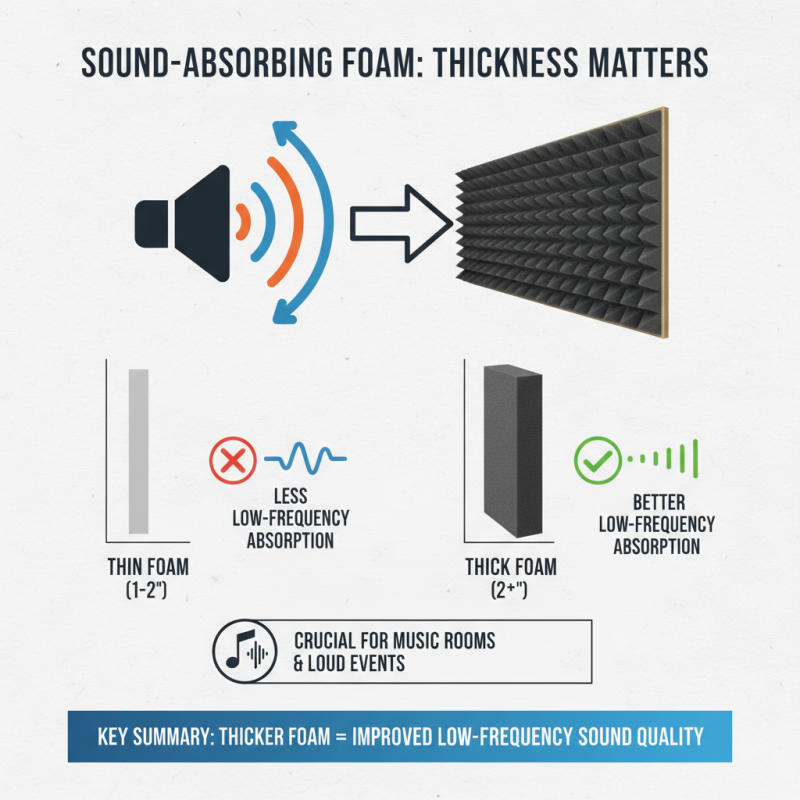
Tip: When selecting foam, consider the thickness. Thicker foam generally absorbs lower frequencies better. A thickness of 2-4 inches is often ideal for most applications.


Improper placement of sound-absorbing materials can lead to suboptimal outcomes. It’s essential to place them strategically. Corners and wall intersections are prime spots, as sound waves tend to accumulate there. Many users overlook this. They may randomly place panels and expect perfect results. Keep in mind that every room is unique. Testing different arrangements can yield surprising improvements.


Tip: Don’t ignore other surfaces. Carpets and heavy drapes also help absorb sound. They can complement foam effectively, creating a balanced acoustic environment.
Types of Sound Absorbing Foam and Their Applications

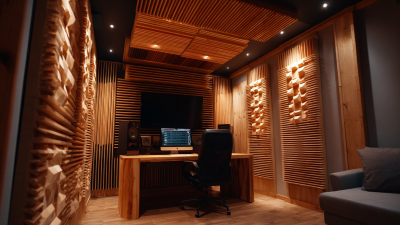
Sound absorbing foam comes in various types, each serving distinct purposes in acoustics. Acoustic panels, for instance, are commonly used in recording studios to reduce unwanted echoes. These panels often feature a flat surface and can be mounted on walls or ceilings. They effectively absorb mid to high frequencies, making them essential for clear sound quality.

Another type is bass traps, designed specifically to tackle low-frequency sounds. Positioned in corners, they capture bass waves and minimize distortion. It's interesting to note that using bass traps can create a warmer sound environment. However, they must be placed thoughtfully; otherwise, they can exacerbate uneven sound distribution.

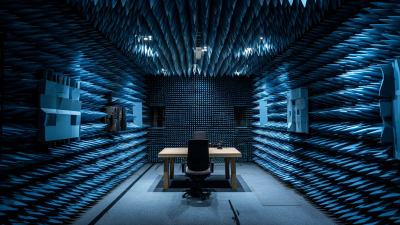
Pyramid foam is visually striking and functional. Its pyramid shape helps break up sound waves more effectively. This type is ideal for home theaters and music rooms. However, overusing it can lead to an overly dampened space, reducing liveliness. Balancing absorption and reflection is crucial for achieving optimal acoustics. Finding the right combination can be a challenging yet rewarding process.

Types of Sound Absorbing Foam and Their Applications

Benefits of Using Sound Absorbing Foam in Various Spaces

Sound absorbing foam is an effective solution for improving acoustics in diverse environments. Whether in a recording studio or a busy office, these materials can significantly enhance sound quality. In home theaters, they prevent echoes and create a more immersive experience. The foam absorbs excess sound waves, resulting in clearer dialogues and richer audio.

In open spaces like cafes, sound absorbing foam can mitigate noise. Customers enjoy conversations without being overwhelmed by background chatter. Effective placement of the foam is crucial. If not positioned correctly, it may not yield the desired effect. Pay attention to the layout of furniture and fixtures. Reflections bounce off hard surfaces, which can diminish the benefits.

While sound absorbing foam provides many advantages, it is not a perfect solution. In certain cases, it may alter the overall ambiance of a space. Some people might find overly dampened sound unappealing. Striking a balance between noise reduction and maintaining a lively atmosphere is essential. Experimenting with different types of foam and placements can lead to better outcomes.

Factors to Consider When Choosing Sound Absorbing Foam

Why Use Sound Absorbing Foam for Better Acoustics?

When selecting sound absorbing foam, it's important to consider thickness. Thicker foam generally absorbs lower frequencies better. This is crucial for rooms that play music or host loud events. Too thin foam may not provide the sound quality improvement you need.

Density is another key factor. Higher density foam usually offers better sound absorption. However, it can also be heavier and more difficult to install. You want a balance between effectiveness and ease of use.

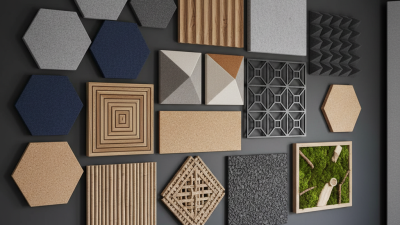
Color and design might seem trivial but can impact aesthetics. Choose foam that fits your space. While function matters, visual appeal shouldn't be overlooked. Sometimes, samples can help. Test different pieces to find what works in your environment. It’s about finding the right fit.

Effective Installation Techniques for Optimal Acoustic Performance

Installing sound absorbing foam can significantly improve acoustics in a space. However, the installation process requires careful consideration. Start by assessing the room's specific acoustic needs. Measure the space and identify areas that reflect excessive sound. Look for corners and flat surfaces that may cause echoes.

Before applying the foam, ensure the surfaces are clean and dry. Use a reliable adhesive suitable for the foam material. Some users underestimate the importance of this step. If the surface isn’t prepared properly, the foam may not adhere well. This can lead to gaps that allow sound to escape, undermining the foam's effectiveness.

After installation, it’s crucial to evaluate the sound quality again. Test the space with various sounds or music. Pay attention to any persistent echoes or uneven sound distribution. Sometimes, even with foam, certain frequencies may not be absorbed effectively. Adjustments may be necessary to optimize acoustic performance. Experiment with foam placement; small changes can yield surprising results.

Why Use Sound Absorbing Foam for Better Acoustics? - Effective Installation Techniques for Optimal Acoustic Performance

Acoustic Foam Type NRC Rating Installation Method Ideal Location
Pyramid Foam 0.90 Adhesive or Stapling Recording Studios
Wedge Foam 0.85 Velcro Strips Home Theatres
Bass Traps 1.00 Corner Placement Playback Rooms
Acoustic Panels 0.70 Wall Mounting Classrooms
Egg Crate Foam 0.80 Drop Ceiling Office Spaces