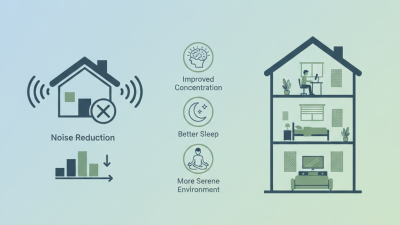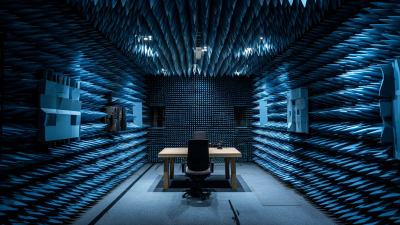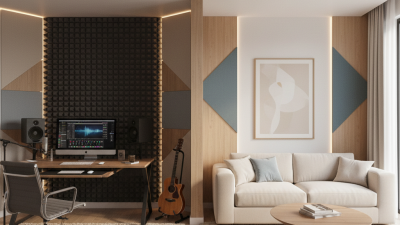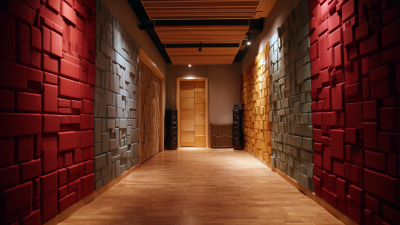

Sound absorbing foam is a crucial material for controlling sound in various environments. It plays a significant role in reducing noise levels indoors. This foam is often used in recording studios, home theaters, and even open office spaces. Its unique structure allows it to trap sound waves effectively.
When sound waves hit the foam, they are absorbed rather than reflected. This reduces echo and improves acoustic quality. However, the effectiveness of sound absorbing foam can vary based on thickness, density, and placement. Not all foam is created equal, and improper installation can lead to less than desirable results.
Understanding sound absorbing foam's properties is vital for anyone looking to manage noise. Those new to acoustic treatments might feel overwhelmed. It's essential to research and consult experts when implementing such solutions. This way, you can avoid common pitfalls and ensure an effective soundproofing strategy.
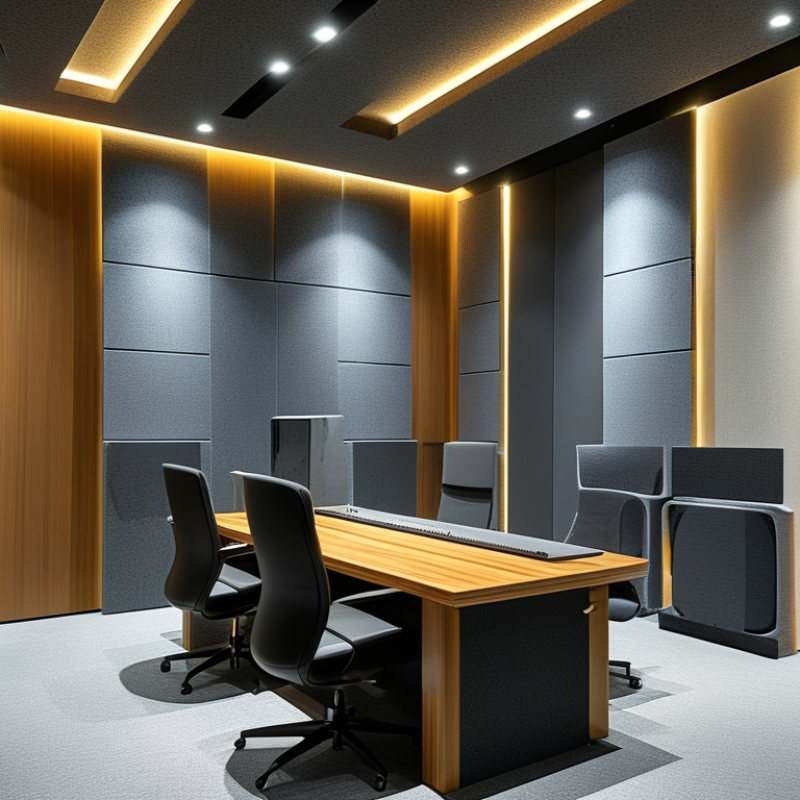
Sound absorbing foam is a specialized material designed to reduce sound reflections. Its structure is unique, featuring open cells that trap sound waves. As sound enters these cells, it loses energy and dissipates. This process results in a quieter environment, making spaces more comfortable.
The foam commonly consists of polyurethane or melamine, both effective in absorbing various frequencies. Its porous nature allows for sound waves to penetrate deeply. This makes it suitable for use in recording studios, home theaters, and even offices. Despite its effectiveness, placement is crucial. Without the right positioning, the foam may not perform well.
While sound absorbing foam is beneficial, it's not a complete soundproofing solution. It helps reduce echo and reverberation but won't block noise entirely. Many users find the foam's visual appearance an aspect to consider. Some prefer a more aesthetic design. However, focusing on functionality is key. Balancing appearance with sound absorption can be challenging for some.
| Property | Description |
|---|---|
| Material Composition | Typically made from polyurethane or melamine foam. |
| Density | Ranges from 20 to 100 kg/m³, affecting sound absorption. |
| Sound Absorption Coefficient | Values range from 0.1 to 1.0, with higher values indicating better absorption. |
| Applications | Used in recording studios, theaters, and industrial facilities. |
| Installation Method | Can be glued, mounted, or suspended from ceilings. |
| Fire Rating | Many foams are treated for fire resistance, meeting local codes. |
| Maintenance | Easily cleaned with a damp cloth; periodic replacement may be needed. |
Sound absorbing foam plays a vital role in managing noise levels in various environments. The physics of sound absorption reveals that foam materials reduce noise by converting sound energy into heat. This occurs through the complex structure of the foam, which traps and dissipates sound waves. According to a study by the Acoustical Society of America, sound absorptive materials can reduce noise levels by up to 40 decibels, significantly improving sound quality in recording studios and home theaters.
Foam materials, such as polyurethane and melamine, contain open cells that allow sound waves to penetrate. Upon entering, these waves collide with the foam's interior walls, causing friction. This process converts sound energy into slight heat, effectively diminishing echo and reverberation. A study by the National Institute of Standards and Technology suggests that proper foam density and thickness are essential for optimal performance. Thicker foams typically absorb lower frequencies better than thinner ones.
Tips: When choosing sound absorbing foam, consider the specific needs of your space. Thicker options may suit areas with low-frequency noise, while thinner materials can handle higher frequencies effectively. Also, ensure proper installation; even the best foam won't perform well if poorly placed. Test and adjust your setup until you achieve the desired sound quality.
Sound absorbing foam is essential in many industries. In recording studios, it minimizes echo and enhances audio quality. Musicians enjoy clear sound without distracting reverberations. This foam helps create an optimal acoustic environment.
In the construction industry, sound absorbing foam improves privacy in offices and homes. It dampens outside noise and prevents sound leakage between rooms. Architects use it to design spaces that feel more serene. Restaurants and cafes benefit as well, creating comfortable atmospheres for conversations.
The automotive sector also uses this foam for sound insulation. It reduces engine noise and enhances the driving experience. High-quality materials are critical here. Despite advances, some users find foam less effective in extreme conditions. More research is needed in this area. With ongoing innovations, sound absorbing foam remains a valuable tool across various fields.
When it comes to sound absorption, several factors influence foam performance. The foam’s density plays a crucial role. Higher density foams typically absorb more sound. According to a study by the Journal of Acoustics, foams with a density of 50 kg/m³ can achieve over 80% sound absorption in certain frequency ranges. This makes heavier materials more effective in controlling noise.
Thickness is another vital factor. Thicker foam panels tend to absorb lower frequencies more effectively. Research indicates that a foam thickness of at least 2 inches can significantly enhance sound absorption at frequencies below 500 Hz. In contrast, thinner foams may struggle with bass sounds, limiting their effectiveness in various applications. Understanding these properties allows for better sound management in spaces like recording studios or open offices.
Airflow resistance is also significant. It affects how sound waves penetrate the foam. Foams designed with specific pore structures can enhance sound absorption. A study from the Acoustical Society shows that variations in pore size can lead to differences in performance. This highlights the need for a tailored approach when selecting materials for sound treatment. Achieving optimal sound absorption requires careful consideration of these factors. Each application presents unique challenges that require thoughtful reflection.
Selecting the right sound-absorbing foam can dramatically affect acoustic quality in various environments. Different spaces, such as recording studios, offices, and home theaters, have unique sound absorption needs. According to the Acoustical Society of America, sound-absorbing materials can reduce echo by up to 70%. This efficiency is influenced by the foam's thickness, density, and surface texture.
When choosing foam, consider the specific sounds you wish to manage. For instance, thicker foams are often better at absorbing lower frequencies. However, they tend to be bulkier and may not suit every aesthetic. Less dense foams can be effective in smaller spaces where high-frequency sounds dominate. A study published in the Journal of Sound and Vibration highlights the importance of foam placement. Proper positioning can enhance absorption, often leading to better results than simply opting for denser materials.
It's crucial to assess room dimensions and intended use. A large conference hall may require a different approach than a small music studio. In many cases, combining various foam types yields the best outcomes. Consider testing a few options before making a final choice. Such a strategy allows for fine-tuning the sound dynamics of your space. Make adjustments based on real-world feedback, keeping in mind that no solution is one-size-fits-all.