7 Intelligent Pole Buying Tips for Global Buyers
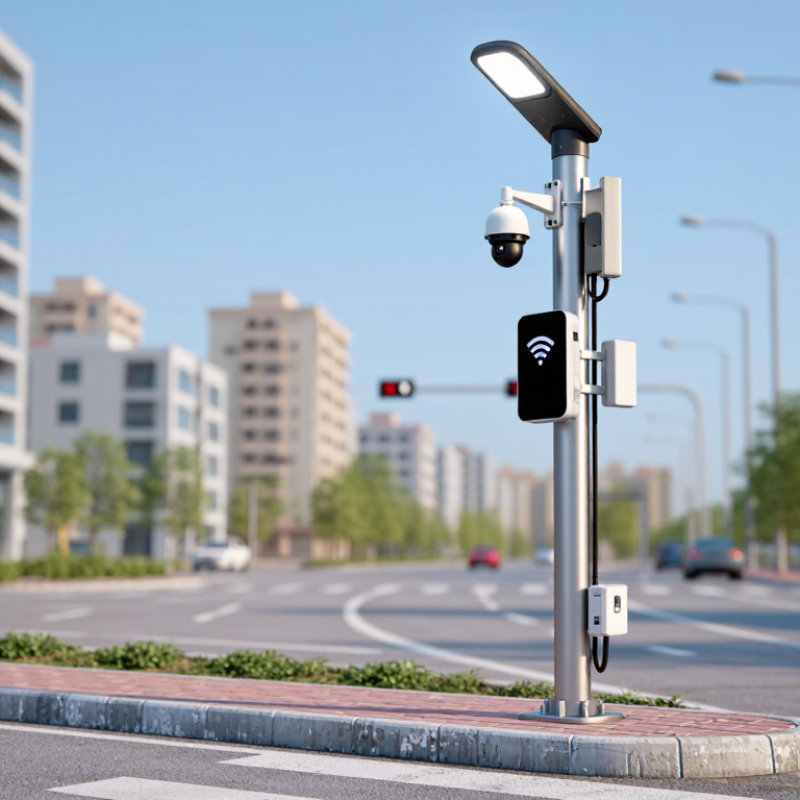
An Intelligent Pole is more than a streetlight with extra equipment. It can combine lighting, cameras, environmental sensors, public Wi-Fi, and communication devices on one structure. For global buyers, that promise also brings practical questions. Will the pole support the required equipment? Can technicians reach its wiring safely? Does the supplier provide clear drawings and test records?
Small details matter. A coastal installation may need durable corrosion protection, while a busy road may require careful planning for maintenance access. Buyers should compare load capacity, material, finish, power requirements, and compatibility with existing networks. They should also ask how software updates, spare parts, and technical support will be handled after installation. A polished brochure is useful, but it cannot replace specific answers.
This guide presents seven buying tips to help procurement teams assess products and suppliers with greater confidence. It covers application planning, specifications, integration, quality checks, customization, delivery, and after-sales support. Not every project will have a perfect specification at the start. That is worth admitting. Unclear requirements can lead to costly revisions, even when a product looks suitable on paper. Requesting sample documents, reviewing comparable project references, and confirming responsibilities in writing can reveal gaps early. The right choice depends on local conditions and project goals, not simply the longest feature list. Use these points to ask better questions, compare offers fairly, and select a solution that can be maintained over time.
Define Pole Requirements by Application, Load, Height, and Site Conditions
Before selecting a pole, define what it must support and where it will stand. A streetlight pole, camera mast, and utility support face different loads, even at similar heights. List equipment weight, wind-exposed area, cable tension, and any maintenance platform. Small details matter. If loads may change, such as adding a sensor later, include that possibility in the design brief.
Measure pole height from finished ground level, not from an assumed drawing datum. Confirm clearance, reach, and viewing angle against nearby roofs, trees, and road edges. Soil and foundation conditions matter too. Soft fill, coastal exposure, and freeze-thaw cycles can affect embedment, corrosion protection, and footing design. A site photo helps, but it cannot replace soil information or a measured layout.
Ask suppliers for calculations tied to the actual application and site inputs, not a generic load rating. Check material, wall thickness, access openings, base plate, and anchor arrangement together; changing one can affect others. Request drawings with dimensions and connection points, then review them with the project engineer. Specifications can look overly neat on paper. Sites rarely cooperate. Leave room to revise assumptions when field measurements disagree with early plans.
7 Intelligent Pole Buying Tips for Global Buyers
Define Pole Requirements by Application, Load, Height, and Site Conditions
These indicative planning ranges vary by project. Confirm the required height against equipment and cable loads, wind and ice exposure, soil and foundation conditions, clearances, corrosion environment, and local codes before specifying a pole.
Compare Materials, Coatings, Designs, and Expected Service Life
A pole’s material should match its site, not just its purchase price. Galvanized steel offers high strength and familiar fabrication, but damaged coatings and trapped water can accelerate corrosion. Aluminum reduces weight and resists many forms of atmospheric corrosion, though its alloy and connection design need careful review. Concrete handles impact well, yet transport and foundation loads can rise. Timber may suit some locations, but moisture, insects, and treatment quality affect maintenance needs.
Coating performance depends heavily on exposure. The American Galvanizers Association’s published service-life chart estimates that a 100-micrometre zinc coating may last about 85 years in rural conditions, versus roughly 40 years in industrial atmospheres, before first maintenance. These are estimates, not guarantees. Salt spray, standing water, and cut edges can change the result. Ask suppliers to state coating thickness, preparation method, inspection criteria, and repair procedure in writing. Details matter.
Design also affects service life. Compare wind-load assumptions, pole height, access openings, base plates, anchor bolts, and drainage—not only wall thickness. A poorly sealed handhole can admit water; a convenient opening can become a weak point if reinforcement is overlooked. Specify the expected inspection interval and replacement threshold. One buying blind spot is treating “design life” as a promised lifespan. It is only useful when the assumptions, site exposure, and maintenance plan are clear.
Verify Compliance with Local Standards and Quality Testing
Before ordering poles, identify the standards that apply at the installation site. Requirements may cover structural loads, coating thickness, electrical safety, and wind resistance. A supplier’s general statement of compliance is not enough. Ask for test reports that name the exact pole model, material grade, and test method.
Check whether an independent laboratory performed the tests, and confirm that its accreditation covers the relevant work. Compare the report’s dimensions and finish with the samples you plan to buy.
Paperwork matters. A report for a similar pole may not prove that your selected design passed. Request coating-thickness readings and corrosion-test results, especially for coastal or high-humidity locations.
Consider a pole installed beside a busy road: vibration, vehicle impact, and local wind conditions can all affect performance. Ask how these loads were assessed and whether the design assumptions match your project.
A polished certificate can still leave gaps. One useful check is to trace a sample’s identification marks back to its production records. This step takes time, and records can be incomplete; note any mismatch before approving a shipment.
Evaluate Suppliers Through Specifications, Samples, and Total Cost
A pole quotation is useful only when its assumptions are visible. Compare steel grade, wall thickness, pole height, baseplate dimensions, anchor-bolt pattern, and coating requirements line by line. Ask suppliers to state the design wind load and applicable test method, not merely write “heavy duty.” Small detail, big risk. A sample can reveal rough welds, uneven galvanizing, or a cap that does not fit, but it cannot prove structural performance. Request inspection records and test documentation alongside the physical sample.
Evaluate the full delivered cost, not just the unit price. Include packaging, freight, unloading, foundations, installation, inspections, and likely replacement needs. The U.S. Department of Energy’s 2019 lighting forecast estimated that LED adoption could save 569 terawatt-hours annually by 2035 across U.S. general lighting. That figure is not a pole-cost estimate; it does show why pole compatibility and maintenance access matter in lighting projects. A cheaper pole may complicate installation or future fixture servicing.
Use a consistent study period when comparing offers. NIST Handbook 135-2022 describes life-cycle cost analysis using present-value costs, helping buyers compare expenses across time. Put each supplier’s warranty, coating specification, production lead time, and exclusions into the same comparison sheet. A spreadsheet can still flatter a weak offer. I would also check whether the sample matches the production finish; sometimes it does not. That gap deserves a written explanation before ordering.
Plan Shipping, Installation, Maintenance, and Long-Term Support
An intelligent pole is only useful when it arrives intact and can be serviced where it stands. Before ordering, compare packed section lengths with container limits, road restrictions, and site unloading equipment. Ask for corrosion-protection details, lifting points, and clear packing lists; small omissions can delay installation. Small details matter. Where possible, ship vulnerable sensors and controllers in separate, labeled protective cases. Confirm who handles damage reports and replacement parts before dispatch, not after a crate is opened.
Installation planning should connect drawings to ground conditions. Check foundation dimensions, anchor-bolt patterns, cable routes, and safe access for a lift. Ask for installation guidance and commissioning steps, then have a qualified local team verify them against site requirements. On paper, a pole may look straightforward; uneven ground and a crowded curb can change the plan quickly. Allow for surprises.
Maintenance needs should shape the purchase. Request accessible component layouts, inspection intervals, cleaning instructions, and a list of replaceable parts. Ask how software updates, fault diagnosis, and technical support will work across time zones. Define response times and keep critical spares near the project when delays could interrupt service. One detail is easy to miss: a maintenance crew may not have the same tools as the installation team. Don’t assume every part will remain available throughout the service life; that assumption deserves a second look.