
Please ensure Javascript is enabled for purposes of website accessibility

What is Noise Reduction and How Does it Work?

Noise Reduction is a technique widely used to decrease unwanted sounds in various environments. From bustling city streets to serene home theaters, eliminating noise enhances our experiences. Its applications range from consumer electronics to industrial machinery.

The technology behind Noise Reduction involves different methods, such as passive and active techniques. Passive noise reduction uses physical barriers to block sound. Active noise reduction, on the other hand, employs sophisticated algorithms. These machines analyze sound waves and produce counteracting waves. While effective, the results can sometimes fall short of expectations.

In our pursuit of quieter spaces, we must understand the limitations of Noise Reduction. Some frequencies are harder to eliminate than others. Moreover, complete silence is often unattainable. So, we must reflect on what noise truly means to us. Do we accept some noise as part of life? Or do we strive for a perfect sound environment? These questions linger as we explore the world of Noise Reduction.

What is Noise Reduction and How Does it Work?

What is Noise Reduction?

Noise reduction is a technique used to minimize unwanted sounds. It is common in various settings, from homes to offices and even audio equipment. There are different methods of noise reduction, including passive and active techniques. Passive noise reduction involves using materials that block sound waves. Active noise reduction, on the other hand, uses technology to cancel out sound waves.

Tips: Consider using thick curtains or rugs in your space. They can significantly reduce noise levels. These simple changes may create a more peaceful environment.

The effectiveness of noise reduction depends on various factors. The type of noise, the environment, and the chosen method all play a role. A busy street may require more effort than a quiet room. It's also worth noting that not all methods work equally well for every type of noise. Experimenting can help you find the best solution.

Tips: Take time to assess the noise around you. Identify which sounds are most disruptive. Understanding this will help you choose the right noise reduction strategy.

What is Noise Reduction and How Does it Work?

Technique Description Use Cases Effectiveness
Passive Noise Reduction Involves physical barriers or materials that block sound waves. Earplugs, soundproofing rooms. Moderately effective depending on material and design.
Active Noise Cancellation Uses microphones and speakers to create sound waves that cancel out noise. Headphones, aircraft cabin noise reduction. Highly effective for low-frequency noises.
Digital Signal Processing (DSP) Analyzes and manipulates sound signals to reduce noise. Audio recording, telecommunications. Very effective for various types of background noise.
Adaptive Noise Reduction Adjusts noise reduction levels based on the environment's acoustics. Smartphones, dynamic audio systems. Highly effective as it adapts to surrounding noise conditions.
Noise Barriers Physical structures built to block sound from entering an area. Highways, railways. Can be very effective depending on height and material.

Types of Noise Reduction Techniques

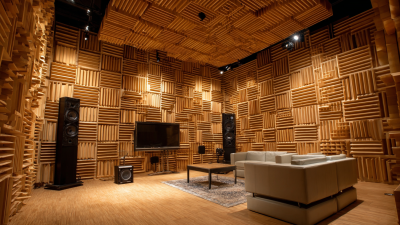
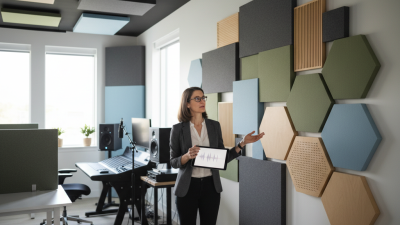
Noise reduction is essential in various fields, from audio production to environmental engineering. Different techniques are used to minimize unwanted sounds. One common method is passive noise reduction. It involves using materials that absorb sound. This could be foam panels or thick curtains. They block noise by creating barriers. However, their effectiveness can vary based on material and placement.

Active noise reduction is another approach. This technique uses electronic methods. It involves microphones that pick up sounds and speakers that produce opposing waves. These waves cancel each other out. Yet, it requires power and may not work in all environments.

Digital signal processing (DSP) is also worth mentioning. DSP analyzes sound waves and removes unwanted frequencies. It is widely used in headphones and sound systems. Yet, the processing can change audio quality. Each method has strengths and weaknesses. The choice depends on specific needs and contexts. More often than not, a combination of techniques yields the best results.

Noise Reduction Techniques Comparison

This chart compares the effectiveness of various noise reduction techniques measured in percentage. Active Noise Cancellation is noted for its high effectiveness, while Passive Noise Control and Soundproofing Materials also show significant results.

How Noise Reduction Works in Digital Audio

Noise reduction in digital audio is a fascinating process. It helps improve sound quality by removing unwanted noises. This can include background hum, static, or other distracting sounds. The main goal is to enhance the clarity of the audio.

How does it work? One common method is using algorithms that analyze sound waves. They identify unwanted frequencies. Then, they apply filters to remove these noises. This process requires precision. Sometimes it can accidentally affect the desired sounds. For instance, subtle nuances in music might get lost.

Another technique is using spectral subtraction. It involves taking a sample of the noise. The system then removes it from the main audio track. This can be effective but may lead to an unnatural sound. Striking a balance is crucial. Achieving crisp audio without sacrificing quality is challenging. Each approach has its pros and cons, and continuous refinement is key.

Applications of Noise Reduction Technology

What is Noise Reduction and How Does it Work?

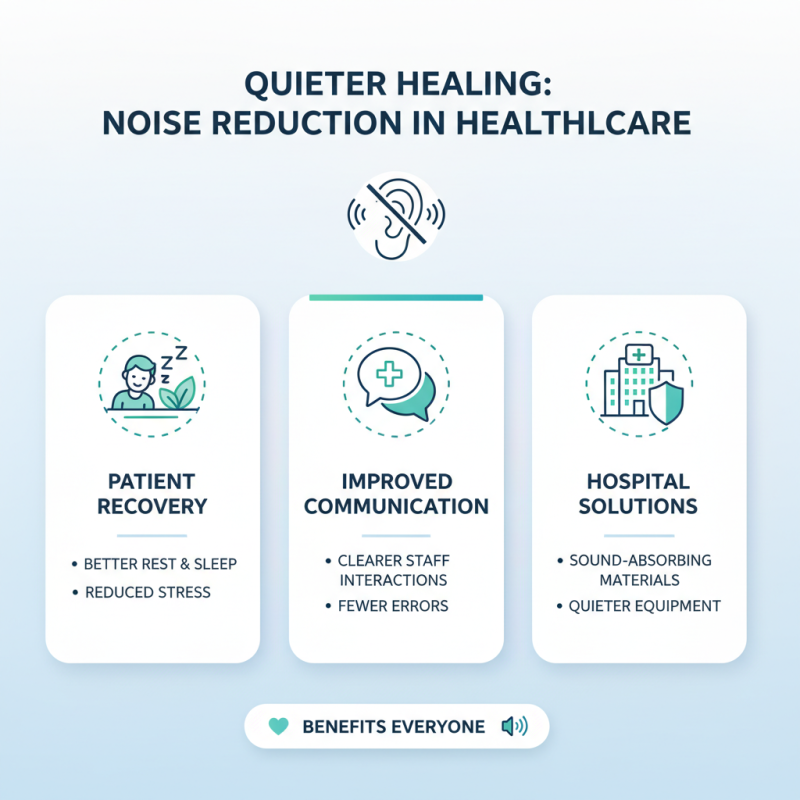
Noise reduction technology plays a vital role in various industries. It is particularly significant in healthcare settings, where a quieter environment can enhance patient recovery. Hospitals often utilize sound-absorbing materials to reduce distracting noise. This can lead to better rest for patients and improved communication among healthcare professionals.

In the transportation sector, noise reduction technology is essential. Trains and airplanes use advanced materials to minimize sound. These innovations make travel more comfortable for passengers. However, challenges remain. Different environments require unique solutions. An effective strategy in one setting may not work in another. Continuous research and development help address these issues.

Furthermore, residential applications of noise reduction can greatly enhance living conditions. People employ soundproofing techniques in their homes. This allows for a calmer atmosphere, especially in busy urban areas. Some might neglect this necessity until it's too late. The impact of noise pollution on wellbeing is often underestimated, leading to a need for increased awareness.

Benefits and Limitations of Noise Reduction Methods

Noise reduction is a crucial aspect of enhancing audio quality. Various methods exist to minimize unwanted sound. These techniques have distinct benefits and limitations.

One significant benefit is improved clarity. It makes conversations clearer and reduces distractions. Many enjoy a more immersive listening experience. This is particularly valuable in environments with constant noise. However, some methods can alter the original sound. This can lead to unintended audio artifacts. Listeners may notice changes in sound quality. The balance between clarity and authenticity is often delicate.

Another consideration is the effectiveness of various methods. Some techniques work better in specific environments. For instance, in a quiet room, certain noise reduction methods may suffice. Conversely, in a bustling café, more advanced techniques are needed. Yet, no solution is perfect. Users might have to experiment to find what suits them best. It's a process that encourages exploration and reflection on sound experiences.