

Please ensure Javascript is enabled for purposes of website accessibility

Why Invest in an Uv Curing Machine for Your Business?

Investing in a Uv Curing Machine can transform your business. This technology offers fast and efficient drying of inks, coatings, and adhesives. With its ability to cure materials instantly, it maximizes productivity. However, the decision isn’t always straightforward.

Many industries benefit from UV curing. Printing, automotive, and electronics sectors have embraced this innovation. The machine reduces energy usage and improves finish quality. Yet, consider initial costs and maintenance needs. There are complexities to navigate, especially for smaller businesses.

Choosing the right UV Curing Machine demands research and insight. Understanding specific requirements is vital. While the benefits are considerable, potential challenges exist. Reflecting on these can guide a more informed investment. The right choice can propel your business ahead.
Why Invest in an Uv Curing Machine for Your Business?

Advantages of UV Curing Technology for Modern Manufacturing

UV curing technology has transformed modern manufacturing with its remarkable advantages. This process uses ultraviolet light to cure coatings, inks, and adhesives instantly. A report by MarketsandMarkets forecasts that the UV curing market will reach $3.1 billion by 2026, growing at a rate of 8.0% annually. This growth indicates a robust shift towards efficient manufacturing processes.

One significant benefit of UV curing is its speed. Traditional drying methods can take hours, while UV curing hardens materials in seconds. This efficiency enhances production speed, allowing businesses to meet market demands quickly. Additionally, UV curing reduces energy costs. It requires less thermal energy compared to conventional drying, leading to a more sustainable manufacturing process. Companies can save an average of 50% on energy consumption by switching to UV curing methods.

However, the technology is not without its challenges. The initial investment in UV curing equipment can be substantial. Businesses may hesitate due to the upfront costs. Moreover, proper safety measures must be in place. Ultraviolet light can pose health risks if not handled correctly. Manufacturers must invest in training and protective equipment to ensure operator safety. Overall, while UV curing presents clear benefits, potential users must consider these challenges carefully.

Cost Efficiency: How UV Curing Machines Reduce Production Expenses

Investing in a UV curing machine can significantly lower production costs. According to a recent industry report, businesses that adopt UV curing technologies report up to a 30% reduction in operational expenses. This is particularly important for sectors like printing and coatings, where speed and efficiency are paramount. UV curing machines shorten drying times, allowing for faster production cycles.

Tips for operational efficiency include regularly scheduled maintenance of the curing units. Proper care ensures optimal performance and extends the lifespan of the machines. Additionally, consider integrating UV curing with automated systems. This can further streamline processes and reduce labor costs.

Another benefit is the reduction in material waste. Traditional drying methods can lead to over-applied coatings, which may need to be discarded. UV curing minimizes such waste by curing coatings instantly, preserving raw materials. However, companies must evaluate whether the initial investment aligns with their production volume. Some may find it challenging to justify the cost if their output is low.

Environmental Benefits of Using UV Curing in Manufacturing Processes

Investing in UV curing technology can bring significant environmental benefits. Traditional curing methods often release volatile organic compounds (VOCs), harmful to air quality and human health. Reports indicate that UV curing can reduce VOC emissions by up to 90%. This reduction is essential for companies aiming to comply with stricter environmental regulations.

Additionally, UV curing processes consume less energy. A study by the EPA shows that UV curing equipment can reduce energy consumption by approximately 50% compared to conventional methods. This lower energy use not only cuts costs but also decreases a business's carbon footprint. Companies shifting to UV curing are taking a proactive stance in combating climate change while enhancing operational efficiency.

Despite these advantages, some challenges persist. Implementation costs for UV curing machines may be higher initially. Proper training is needed for staff to maximize these machines' benefits. Yet, the long-term savings and environmental impact often outweigh these early hurdles. Businesses must reflect on these trade-offs to make informed decisions about adopting UV curing technology.

Applications of UV Curing Machines Across Various Industries

UV curing machines have gained traction across multiple industries due to their efficiency and versatility. In the printing industry, these machines enable rapid curing of inks. This process enhances print quality and durability. Businesses appreciate the lack of solvents in UV inks, leading to less environmental impact. They also offer quicker turnaround times, which is essential in today's fast-paced market.

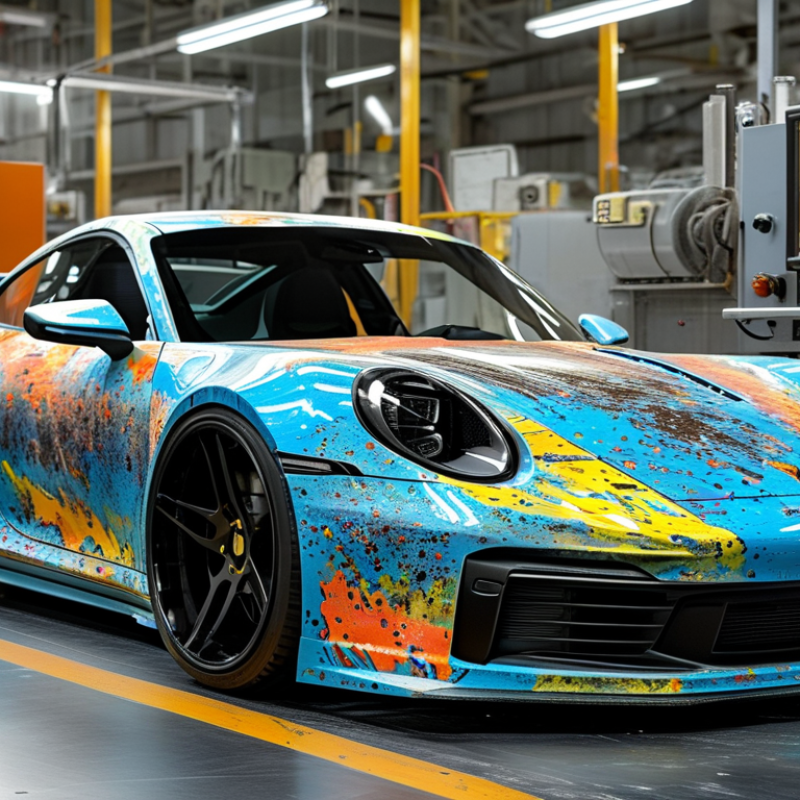
In the automotive sector, UV curing is used for coatings and adhesives. These machines create a hard finish that withstands scratches and weather elements. This technology improves both aesthetics and longevity of products. However, businesses must ensure proper handling and safety measures. As with many advancements, there are challenges. Workers need training to operate these machines effectively.

In the medical field, UV curing plays a crucial role in producing devices and components. Sterile adhesives are required for many applications, ensuring patient safety. The speed of the curing process can accelerate production timelines. Yet, companies need to be mindful of balancing speed with quality assurance. Finding the right UV machine can be difficult, requiring extensive research and consideration.

Why Invest in an Uv Curing Machine for Your Business? - Applications of UV Curing Machines Across Various Industries

Industry Application Benefits UV Curing Technology
Printing Ink Curing Faster production, higher quality prints LED UV, Mercury Vapor
Manufacturing Coating & Adhesives Enhanced durability, quick setting times Low Pressure Mercury, LED UV
Automotive Paint and Coating Finishing Improved surface hardness, chemical resistance Broad Spectrum UV
Electronics PCB Coating Protection from moisture and mechanical stress UV LED
Medical Sterilization Efficient disinfection and safety High Intensity UV
Construction Sealing & Bonding Weather resistance, quick curing time LED UV

Future Trends: Innovations in UV Curing Technology for Businesses

UV curing technology is evolving rapidly. Businesses are increasingly adopting these machines for their efficiency and versatility. Innovations in UV curing are not just about speed; they are also focused on quality and energy savings. New techniques are emerging, enabling better adhesion and durability for various materials.

One significant trend is the development of LED UV curing. It offers a more sustainable option compared to traditional mercury lamps. Businesses can reduce energy consumption and extend bulb life. However, the initial investment can be a concern. Companies must weigh the benefits against the upfront costs.

Another interesting area is the integration of smart technologies. Machines now feature real-time monitoring systems. These can ensure consistent quality and help in troubleshooting. Yet, the reliance on technology can lead to challenges, such as system failures. Businesses should be prepared for these potential issues. Engaging with these innovations can position a company as a leader in the industry.

UV Curing Technology Investment Trends

The chart above showcases the various factors that businesses consider when deciding to invest in UV curing technology, highlighting cost savings, speed of curing, energy efficiency, versatility, and market growth potential.