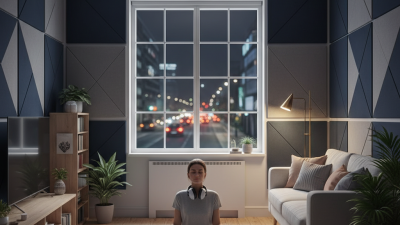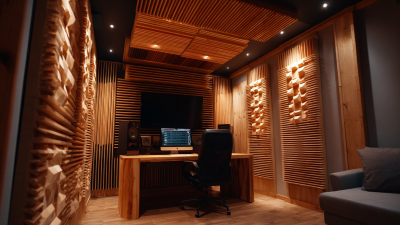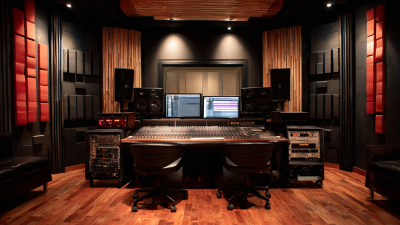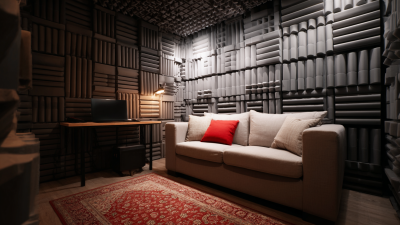

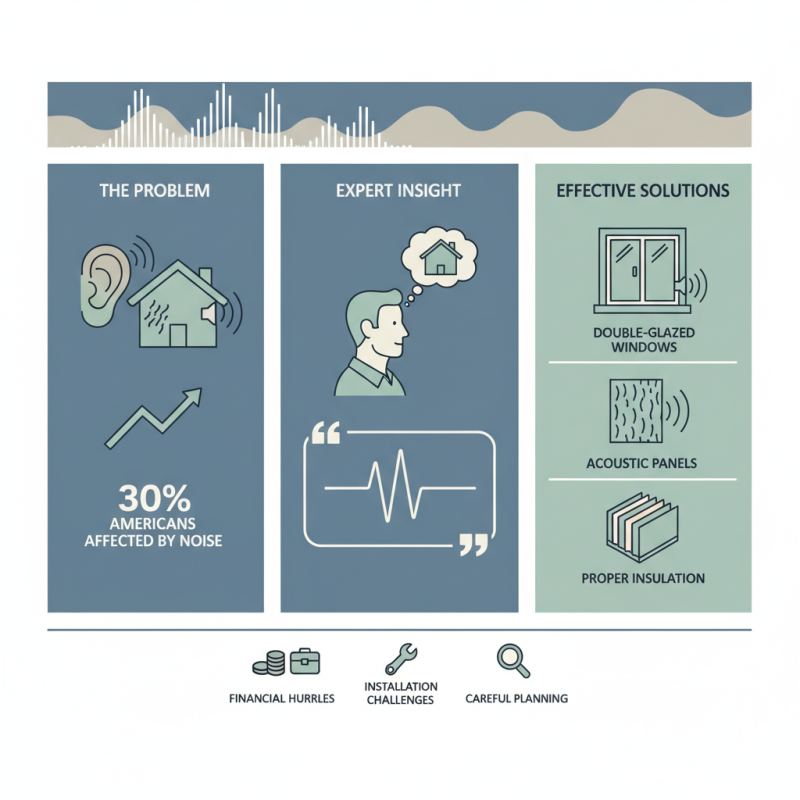
Soundproofing a home is increasingly vital in our noisy world. According to a report by the National Institute of Health, over 30% of Americans are affected by noise pollution. This can impact sleep quality, productivity, and overall well-being. Expert John R. Lawson, a leading figure in soundproofing technology, states, “Effective soundproofing can transform living spaces into serene places.”
Many homeowners underestimate the importance of soundproofing. Simple measures can reduce noise significantly. For instance, double-glazed windows cut outdoor noise by up to 50%. Additionally, using acoustic panels can absorb sound and create a peaceful atmosphere. Investing in proper insulation also plays a critical role.
Despite these options, challenges remain. Some materials may not be effective when improperly installed. Homeowners may face financial and practical hurdles. It's essential to evaluate each method's suitability for specific needs. Overall, soundproofing a home can lead to a more tranquil lifestyle, but it requires careful consideration and planning.
Understanding sound transmission is crucial for effective soundproofing. There are various types of noise, each affecting our environment differently. Airborne noise includes sounds from voices and music. Structure-borne noise arises from vibrations passing through walls or floors. These categories help identify the sources of unwanted sounds in your home.
Measuring noise levels involves decibel ratings. A normal conversation ranges around 60 dB. Higher levels, like traffic or loud music, can exceed 80 dB. These sounds might disturb your peace. To address this, you can use sound level meters for accurate readings. Knowing where the noise is coming from aids in choosing proper solutions.
However, not every solution is straightforward. Some materials may not perform as expected. In certain cases, heavy curtains may appear effective but still allow sound leaks. Seeking professional advice could lead to better choices. Additionally, it's often a process of trial and error. Finding the right combination of soundproofing methods can be challenging but worthwhile.
Living in residential areas often means facing various noise challenges. Common sources of noise pollution include traffic, barking dogs, and construction sounds. These disturbances can disrupt daily life and impact well-being. Understanding these sources is crucial for creating a peaceful home environment.
Tip: Consider sound-absorbing curtains. They can significantly reduce noise from outside. Choose thick fabric options that cover your windows entirely. This simple addition can lead to a more tranquil space.
Another common source of noise is loud neighbors. Thin walls can amplify everyday sounds. It’s frustrating when you hear someone’s music or conversations. Sometimes, engaging in open discussions with neighbors about noise levels can help.
Tip: Use rugs or carpets. They not only enhance decor but also diminish noise. Place them in high-traffic areas to help lessen sound. These small changes can lead to a noticeable improvement in your home’s acoustics.
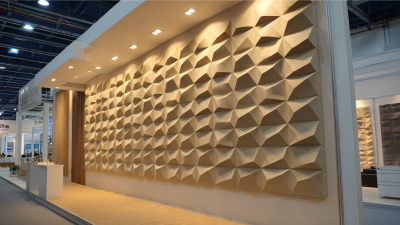
When considering effective soundproofing materials, several options prove beneficial. Acoustic panels, made from dense foam or fabric, absorb sound waves. According to a study by the Acoustical Society of America, these panels can reduce noise by up to 50% in specific environments. They are particularly effective in home theaters and recording studios.
Mass-loaded vinyl is another powerful material. This dense barrier blocks sound transmission well. In fact, research from the Journal of Building Acoustics shows that it can decrease sound levels by 10 to 30 decibels, depending on installation. However, it can be cumbersome to work with, making installation a challenge for some homeowners.
Additionally, consider using double-glazed windows. They trap air between two panes, dampening exterior noise. Reports indicate that they can reduce traffic noise by about 60%. While effective, they are often more costly than other options. Some might find it hard to justify this investment, particularly if they don’t experience high noise levels. Soundproofing requires careful thought, and sometimes trial and error. Not every solution works for every space. Finding the right combination may take time.
This chart compares the effectiveness of various soundproofing materials on a scale from 0 to 10, demonstrating which materials are most beneficial for reducing noise in your home.
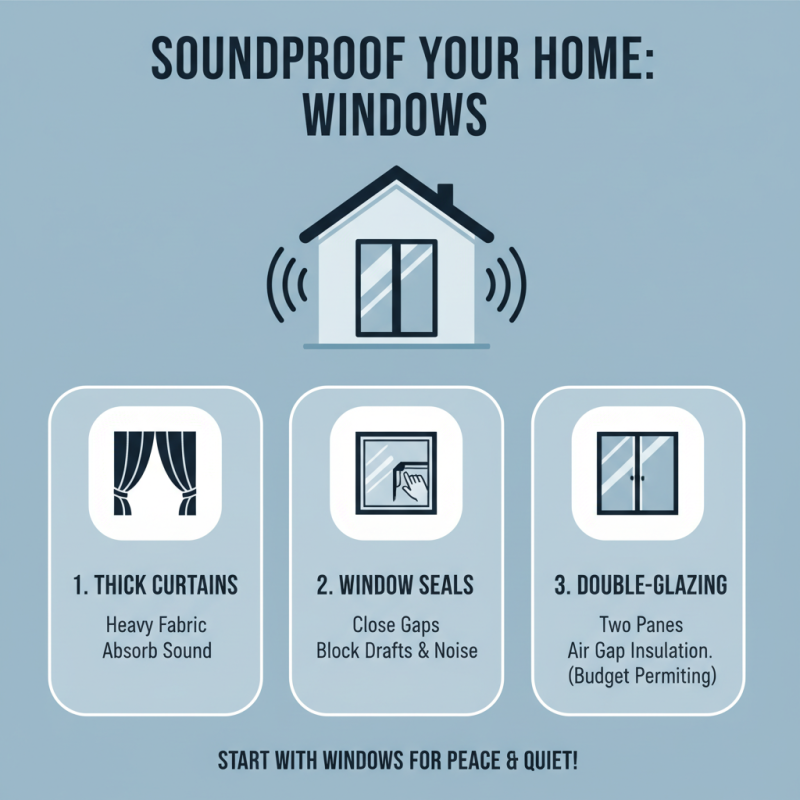
Soundproofing your home can dramatically improve your comfort. Each area requires a tailored approach. Start with the windows. Thick curtains or window seals can reduce noise. Install double-glazed windows if the budget allows.
Walls can be another source of noise. Consider adding mass-loaded vinyl or acoustic panels. Your living room could benefit from bookcases filled with books. They absorb sound well. For shared walls, you might explore soundproofing paint or drywall.
Floors can transmit noise between rooms. Area rugs or carpets help dampen sound. If the basement is an issue, consider foam underlayment. It might help reduce echo. Your home office could use isolation pods if it gets noisy. Each space requires thought and reflection. There’s always room for improvement in soundproofing.
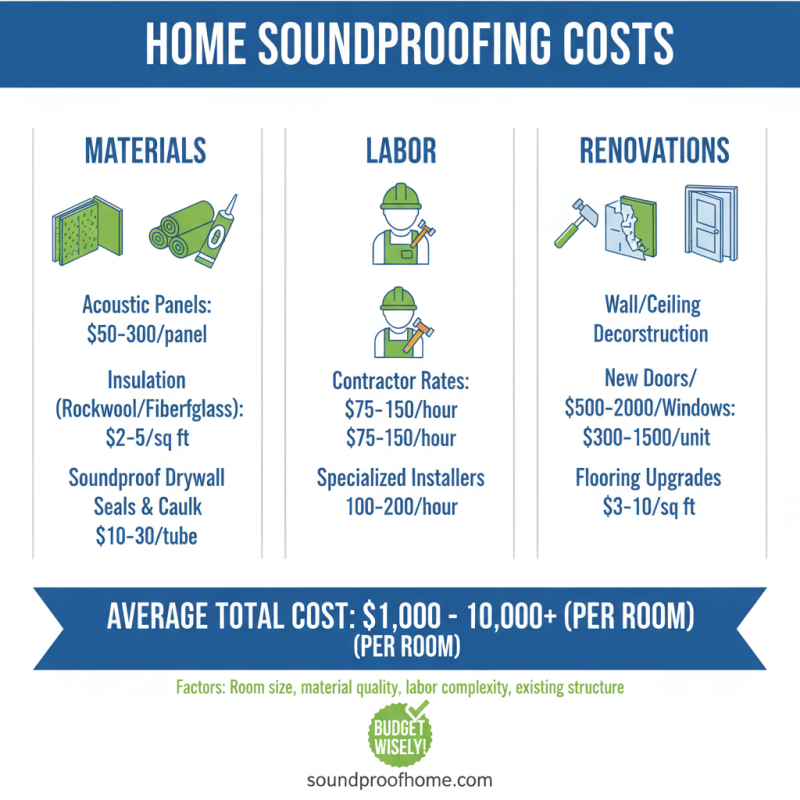
Soundproofing your home can be a significant investment. Understanding costs is vital to budgeting effectively. Generally, soundproofing involves materials, labor, and potential renovations. The average price can range widely, depending on your choices.
Tips are crucial here. Start by assessing your space. Identify the areas most affected by noise. This helps prioritize your budget. Consider both DIY and professional options. DIY can save money but may lack the effectiveness of expert installation. Consult local specialists for quotes.
In terms of materials, explore options like soundproof panels, insulation, or specialized windows. Each has its price point and effectiveness. Adding mass-loaded vinyl can be a smart move, as it blocks sound well. Choosing the right combination for your space is essential, but be prepared for some trial and error. You may not get perfect silence at first. Be willing to reflect and adjust your approach as needed.