

Please ensure Javascript is enabled for purposes of website accessibility

What Is Flame Retardant Polyester and How Does It Work?

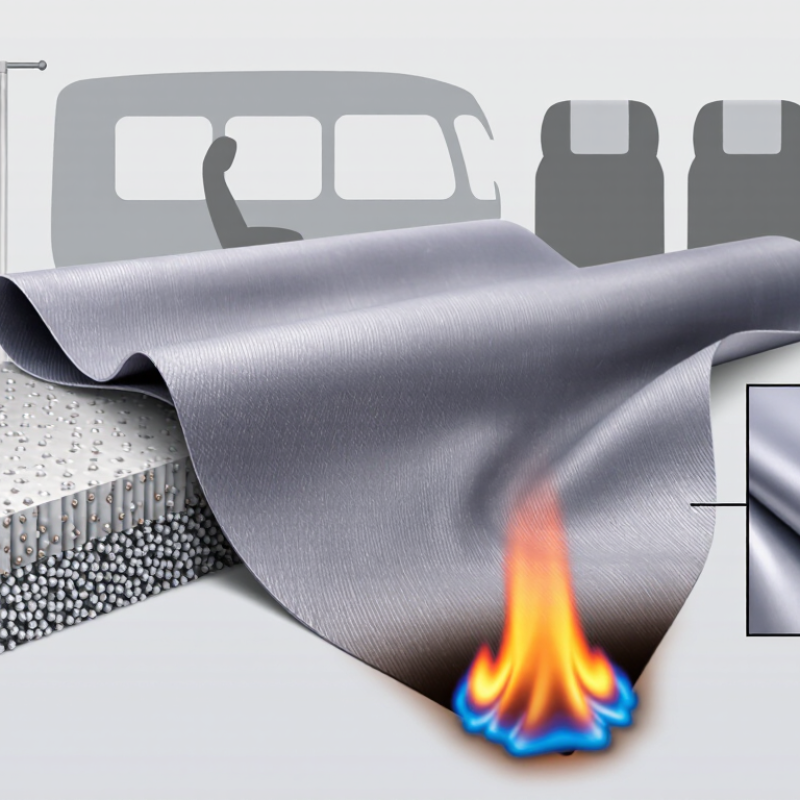
Flame Retardant Polyester is engineered to resist ignition, slow flame spread, and reduce afterglow when exposed to heat. It is commonly used in curtains, upholstery, protective workwear, bedding, and transportation textiles. The material looks and feels similar to standard polyester, yet its performance depends on chemistry, fabric construction, and finishing quality.

Some versions contain flame-retardant additives within the polymer during fiber production. This approach can provide more durable protection because the active components are not merely sitting on the surface. Other fabrics receive a topical treatment after weaving. That method may be practical and economical, but washing, abrasion, or chemical exposure can gradually affect performance. The difference matters.

When heat reaches the fabric, the flame-retardant system can promote char formation or interrupt combustion reactions. The resulting char acts like a thin barrier. It limits oxygen access and slows the movement of heat through the textile. In real testing, however, no fabric is invincible. Flame resistance does not mean fireproofing.

Reliable evaluation requires recognized laboratory methods, controlled ignition sources, and documented washing conditions. Buyers should review test reports, fiber composition, treatment durability, and the intended end use. A fabric that performs well for hotel curtains may not meet the needs of industrial protective clothing. Labels alone can mislead. This guide examines how Flame Retardant Polyester works, where it performs effectively, and which practical limitations deserve closer attention. Performance can vary. Careful verification remains essential.
What Is Flame Retardant Polyester and How Does It Work?

What Is Flame Retardant Polyester?

What Is Flame Retardant Polyester?

Flame retardant polyester is polyester engineered to resist ignition and slow flame spread. It is not fireproof. The fabric may still melt, shrink, or release smoke under intense heat. Manufacturers create it in two main ways. They add flame-retardant chemicals during fiber processing, or build reactive flame-resistant components into the polymer chain. In both cases, the material can form protective char and reduce heat transfer. Some formulations also release non-flammable gases, which dilute oxygen near the burning surface.

The need is measurable. NFPA’s Fire Loss in the United States During 2022 reported about 1.5 million fires attended by U.S. fire departments. That figure covers many materials, not polyester alone, but it shows why textile fire behavior matters. Testing remains essential. Standards such as ISO 4589 assess limiting oxygen index, while vertical flame tests examine ignition, afterflame, and dripping. Results depend on fabric weight, weave, dye, washing, and construction. One weakness is often overlooked: a laboratory rating cannot perfectly predict real-room fire conditions.

Tips: Check the test standard, fabric weight, and washing instructions before selection. Ask for certification documents, not only “fire resistant” wording. No fabric is permanently safe. Repeated laundering may reduce performance, although the effect varies by formulation. In practice, seam design and garment fit can matter as much as the fiber itself. This point is easy to underestimate.

How Flame Retardant Polyester Is Made

Flame retardant polyester is produced by changing polyester chemistry before or during fiber formation. Manufacturers commonly add phosphorus-based components to the polymer chain. These components can also be blended into the polymer melt. The choice affects durability, softness, color, and production stability.

During polymerization, polyester ingredients react under controlled heat and pressure. The modified polymer becomes a thick melt. It then passes through tiny spinneret holes to form continuous filaments. Cooling air solidifies the strands. Drawing aligns the molecules and improves strength. Heat setting controls shrinkage and fabric dimensions.

Some fabrics receive an additional flame retardant finish after weaving or knitting. This method can reduce manufacturing complexity. However, the finish may lose effectiveness after repeated washing. Inherent flame retardant fibers usually offer better durability, but they cost more and can feel different. The process is not flawless.

Quality teams examine ignition time, flame spread, afterflame, char formation, and smoke behavior. They also test laundering, abrasion, and fabric construction. A tightly woven fabric may perform differently from a loose knitted fabric. Results depend on fiber shape, weight, dyes, and finishing chemicals. A small formulation change can alter performance. That uncertainty deserves attention.

Experienced textile engineers compare laboratory results with actual end-use conditions. No fiber should be judged by one test alone. Proper documentation and independent testing help confirm whether the material meets its intended safety requirements.

How Flame Retardant Polyester Resists Fire

What Is Flame Retardant Polyester and How Does It Work?

How Flame Retardant Polyester Resists Fire

Flame retardant polyester is engineered to slow ignition and reduce flame spread. Its protection may come from modified polymer chemistry or a treatment applied to the fabric. In durable versions, flame-resistant elements are built into the fiber structure. They do not simply sit on the surface. This distinction matters after washing and repeated use.

When exposed to heat, the polyester begins to soften and decompose. Flame-retardant components can encourage a protective char layer. This layer acts like a thin shield over the textile. It limits heat transfer and reduces the release of flammable gases. Some formulations also produce gases that dilute oxygen near the flame. Less fuel reaches the fire.

The fabric may self-extinguish after the ignition source is removed. That does not mean it is fireproof. High heat, strong airflow, or contamination can change its performance. Testing usually measures ignition time, flame spread, afterflame, and afterglow. Results depend on fabric weight, construction, moisture, and laundering history. A lightweight knit may react differently from a dense woven cloth.

One detail is often overlooked. Flame resistance can decline when the material is damaged or poorly maintained. Care labels deserve attention. In real applications, performance should be verified under the expected heat and washing conditions. Laboratory results are useful, but they are not the whole story. Resistant does not mean invulnerable.

Key Types of Flame Retardant Polyester

What Is Flame Retardant Polyester and How Does It Work?

Flame retardant polyester is polyester engineered to resist ignition, slow flame spread, or reduce melt dripping. It does not make fabric fireproof. Heat can still damage it.

Textile Exchange’s Materials Market Report 2024 estimated polyester represented roughly 57% of global fiber production in 2023. That scale makes flame performance important in transportation, hospitality, workwear, and public interiors. The National Fire Protection Association reported about 1.39 million fires in the United States during 2023. Material selection therefore needs testing, not assumptions.

Key Types of Flame Retardant Polyester

Inherently Modified Polyester

Inherently modified polyester contains flame-resistant chemistry within the polymer structure. Its performance usually remains more stable after repeated washing. Copolymerized phosphorus polyester is one common technical approach. Phosphorus promotes char formation, creating a protective barrier that limits heat and oxygen transfer.

Additive-Treated Polyester

Additive-treated polyester receives a flame retardant during spinning, coating, or finishing. This method can reduce production complexity and suit certain fabric designs. However, durability may decline after abrasion, laundering, or chemical exposure. That weakness is often underestimated.

Blended Systems

Blended systems combine modified polyester with other fibers or finishes. Their behavior depends on fiber ratio, fabric weight, yarn density, and construction. A tightly woven curtain may perform differently from a loosely knitted garment. Laboratory tests should match the intended end use, including washing and vertical flame exposure. Passing one test does not guarantee safety everywhere.

Uses, Benefits, and Limitations of Flame Retardant Polyester

What Is Flame Retardant Polyester and How Does It Work?

Flame retardant polyester is polyester engineered to resist ignition and slow flame spread. Some versions use additives during fiber production. Others contain reactive phosphorus-based compounds bonded to the polymer. When exposed to heat, the material can form a protective char layer or release gases that dilute oxygen near the fabric. It may self-extinguish after the flame source is removed, but it is not fireproof.

Its uses include curtains, upholstery, mattresses, workwear, transport interiors, and protective covers. The fabric offers familiar polyester benefits, such as strength, quick drying, wrinkle resistance, and stable color. It also performs well in busy spaces where frequent cleaning is expected.

However, performance depends on construction. A loose weave, foam backing, thread, or coating can change the result. One tested fabric may behave differently in a finished chair.

Limitations deserve attention. Flame retardant polyester can cost more and may feel less soft. Heat, washing, abrasion, and cleaning chemicals can reduce performance, especially with surface treatments. Burning fabric can still produce smoke and hazardous gases. The word “retardant” can sound safer than it is.

Tips: Check the fabric’s test report, not only its product description. Ask whether testing covers the final assembly. Test a washed sample when laundering is part of normal use. Confirm the required standard with a qualified textile or fire-safety professional. Small details matter.