
Please ensure Javascript is enabled for purposes of website accessibility

10 Effective Tips for Choosing Sound Panels for Your Space

Choosing the right sound panels for your space can be a daunting task. According to a report by the Acoustic Society, sound panels can reduce echo by up to 80%. This improvement in sound quality is vital for offices, studios, and home theaters. Experts recommend assessing the unique acoustics of your environment before making a decision.

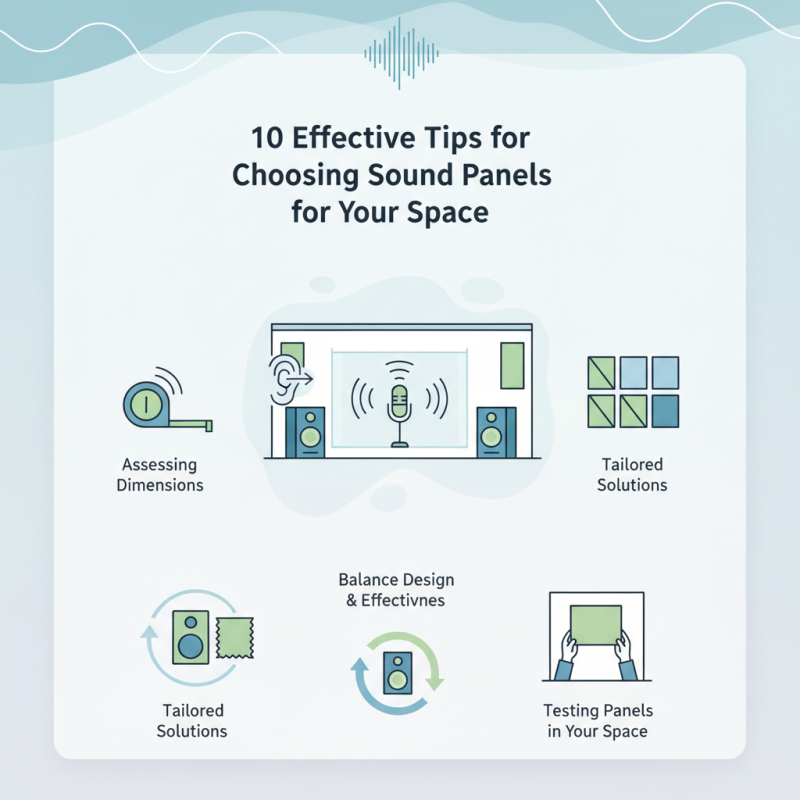
Dr. Emily Harmon, an acoustics specialist, emphasizes the importance of tailored solutions. She states, “The best sound panels are not one-size-fits-all; they must match the specific needs of a room.” This insight highlights the necessity of evaluating your space's dimensions and materials. It’s easy to overlook how different surfaces can affect sound.

Many individuals make mistakes in selecting sound panels by prioritizing aesthetics over functionality. This can lead to poor acoustic performance and dissatisfaction. To avoid such problems, consider testing panels in your space before finalizing your choice. Be mindful of the balance between design and effectiveness when integrating sound panels into your environment.
10 Effective Tips for Choosing Sound Panels for Your Space

Understanding the Importance of Sound Panels in Acoustic Treatment

Acoustic treatment is crucial in various environments. Sound panels play a vital role in enhancing sound quality. According to industry reports, over 50% of individuals in creative spaces experience sound issues. This affects productivity and creativity. Proper acoustic treatment can reduce noise levels significantly, creating a more enjoyable atmosphere.

Many people underestimate the importance of sound panels. They may only focus on aesthetics or cost. Yet, the right sound panels can reduce reverberation by up to 70%. This improvement is not just a statistic; it translates to clearer conversations and better performance in recording studios.

However, not all panels are equal. Many buyers overlook material quality and thickness. Choosing a panel that’s too thin can lead to subpar results. The wrong placement can also negate the benefits. Thus, it's essential to invest time in research. Ask experts or consult resources to get the best outcome for your space.

Effectiveness of Sound Panels in Various Environments

This bar chart illustrates the effectiveness rating of sound panels in different environments, highlighting their importance in enhancing acoustic treatment.

Factors to Consider When Selecting Sound Panels for Different Spaces

When selecting sound panels, consider the specific needs of your space. Different environments require distinct acoustic solutions. A study from the Acoustical Society of America reveals optimal sound absorption frequencies vary. For instance, spaces like offices benefit from panels with mid to high-frequency absorption. Meanwhile, home theaters should focus on low-frequency absorption.

Room size plays a significant role in panel selection. Larger rooms often require more panels to maintain sound quality. According to data from the National Institute of Standards and Technology, sound waves in expansive areas can cause echoes and delays. You may find it frustrating to achieve a balanced acoustic environment without adequate coverage.

Material choice can also influence performance. Fabric-covered panels often excel in absorbing certain frequencies, while harder surfaces may reflect sound. A report from the International Journal of Acoustics indicates that bass traps are essential in studios. Neglecting this aspect could lead to an imbalance in sound quality, resulting in less-than-pleasant listening experiences.

10 Effective Tips for Choosing Sound Panels for Your Space

Factor Description Ideal Space Types Recommended Thickness
Material Type Absorptive materials like foam, fabric, or wood enhance sound absorption. Studios, Home Theaters, Offices 2-4 inches
Panel Size Larger panels cover more area, effective for spacious settings. Large Rooms, Halls, Cafés 2x4 feet
Aesthetic Appeal Ensure colors and designs match your interior decor. Living Rooms, Offices, Recording Studios Varies (depends on design)
Adhesive vs. Mounted Choose between permanent solutions or easy-to-remove options. Temporary Spaces, Rental Properties N/A
Acoustic Performance Look for panels with higher NRC (Noise Reduction Coefficient) ratings. Recording Studios, Podcasts 3-5 inches
Fire Rating Consider panels with fire-resistant properties in public spaces. Public Venues, Offices N/A
Sound Wave Reflection Plan for sound wave dispersion; consider placement for maximum effect. Theaters, Conference Rooms N/A
Environmental Impact Look for eco-friendly materials to minimize your carbon footprint. Green Buildings, Eco-conscious Spaces Varies
Budget Consider the cost per panel vs. your overall budget for the project. Residential, Commercial N/A

Types of Sound Panels: Materials and Designs Reviewed

10 Effective Tips for Choosing Sound Panels for Your Space

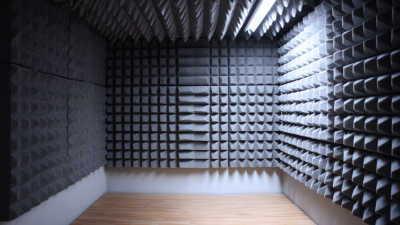
When selecting sound panels, consider the material and design. Different materials affect sound absorption and aesthetics. Fabric-wrapped panels are popular. They come in various colors and textures. This allows for customization according to your decor. Foam panels are another option. They are lightweight and easy to install. However, they may lack the visual appeal that fabric panels offer.

In addition to materials, think about the design. Some panels are flat, while others are patterned or 3D. Patterns can add depth to your space. On the downside, 3D designs might collect dust easily. Simple panels may blend in, but they won't be as visually stimulating. Mixing different designs can create an interesting look. However, too many styles can make your space feel chaotic.

The size of the panels also matters. Larger panels cover more surface area. But they can overwhelm a small room. Smaller panels might be more versatile but require strategic placement for effectiveness. It's crucial to find a balance that enhances both sound quality and visual harmony. Understanding these factors will guide you in choosing the right sound panels for your needs.

Guidelines for Measuring Room Acoustics Before Choosing Panels

When choosing sound panels, measuring your room acoustics is crucial. Start with the dimensions of your space. Length, width, and height can greatly affect sound quality. Use a tape measure to get accurate readings. If your room has odd angles, take those into account. They can create sound dead zones.

Identify the main sources of noise. Is it external traffic, echoes, or undesirable feedback? Understanding where the sound issues come from helps you place panels effectively. Use your smartphone app to analyze sound levels. Listen keenly. Some areas might need more treatment than others.

Remember to consider the panel's placement. Walls aren’t the only option. Ceilings and corners can also enhance acoustics. Don't be afraid to experiment. Sometimes the initial placements won’t be ideal. You might need to adjust more than once. Listen to the changes. It can lead to improved sound quality.

Aesthetic Integration: Matching Sound Panels with Interior Decor

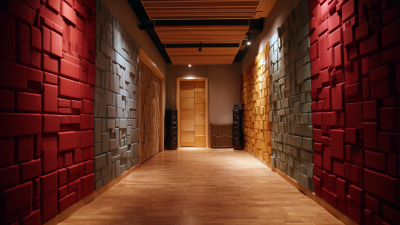
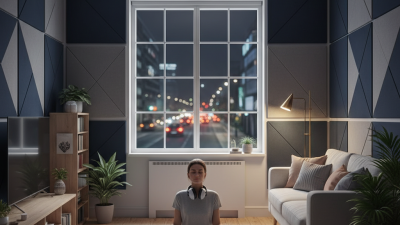
When selecting sound panels, aesthetic integration is key. A well-matched design can elevate your space. Consider the colors of your room. Panels that complement or contrast with your walls add depth to the decor. Sound panels can be bold statements or subtle enhancements, depending on your choice.

Look for textures that resonate with your existing furnishings. Soft fabrics can soften a harsh environment, while sleek surfaces can match modern decor. Remember, function still matters. Sound panels should absorb sound while fitting the visual style.

Mixing different panel shapes can add visual interest. However, it can also be risky. Too many variations may create visual chaos. Aim for a cohesive look. Balance is essential—keep some lines consistent, while adding pops of creativity.

Experiment with placements, but don't overdo it. Panels in unconventional places can surprise. Yet, if they clash with other decor, the effect can be jarring. A thoughtful, integrated approach will enhance both the look and the acoustics of your space.