
Please ensure Javascript is enabled for purposes of website accessibility

How to Make DIY Acoustic Panels for Better Sound Quality at Home

In the pursuit of a more serene and acoustically balanced home environment, many individuals are turning to DIY solutions that cater to their specific sound quality needs. One of the most effective and cost-efficient methods is the creation of DIY acoustic panels. These panels not only help to absorb sound, reducing echoes and enhancing clarity, but they also offer a creative outlet for those looking to personalize their living spaces. By utilizing accessible materials and simple construction techniques, anyone can transform their home into an ideal acoustical setting.

Creating your own DIY acoustic panels allows for a tailored approach to sound management, accommodating the unique requirements of any room. Whether you’re aiming to enhance your home studio, create a better environment for gaming, or simply improve the overall sound quality of your living area, the benefits of these panels are substantial. This guide will take you through the step-by-step process of making DIY acoustic panels that not only serve a practical purpose but can also complement the aesthetic of your home décor. Get ready to explore how you can elevate your space while enjoying improved sound quality through the art of DIY acoustic panel construction.
How to Make DIY Acoustic Panels for Better Sound Quality at Home

Materials Needed for DIY Acoustic Panels

Creating your own acoustic panels can significantly enhance sound quality in your home, and understanding the materials needed is a crucial step. To build effective DIY acoustic panels, you'll primarily require sound-absorbing materials. According to industry data, materials such as mineral wool or fiberglass are highly efficient in absorbing sound across a wide range of frequencies. Specifically, mineral wool can provide a noise reduction coefficient (NRC) of up to 0.95, meaning it absorbs almost all sound that hits its surface.

In addition to the sound-absorbing core material, you will need a sturdy frame, which is generally made from wooden boards. Plywood or MDF (medium-density fiberboard) is often recommended due to its durability and ease of handling. Research indicates that a well-constructed frame can add structural integrity to the panels while allowing for easy mounting on walls.

Fabric is another essential component, not just for aesthetics but for improving absorption; breathable materials work best as they allow sound to penetrate into the insulating core. Using a fabric with an NRC rating can further improve the effectiveness of your panels.

Lastly, it's important to consider adhesives or mounting hardware. Acoustic glue helps in securely adhering the fabric to the frame, while hooks or brackets can facilitate proper installation on various surfaces. By carefully selecting these materials, homeowners can create custom acoustic panels that not only enhance sound quality but also complement their interior design, making for a more immersive audio experience.
Step-by-Step Guide to Constructing Acoustic Panels

How to Make DIY Acoustic Panels for Better Sound Quality at Home

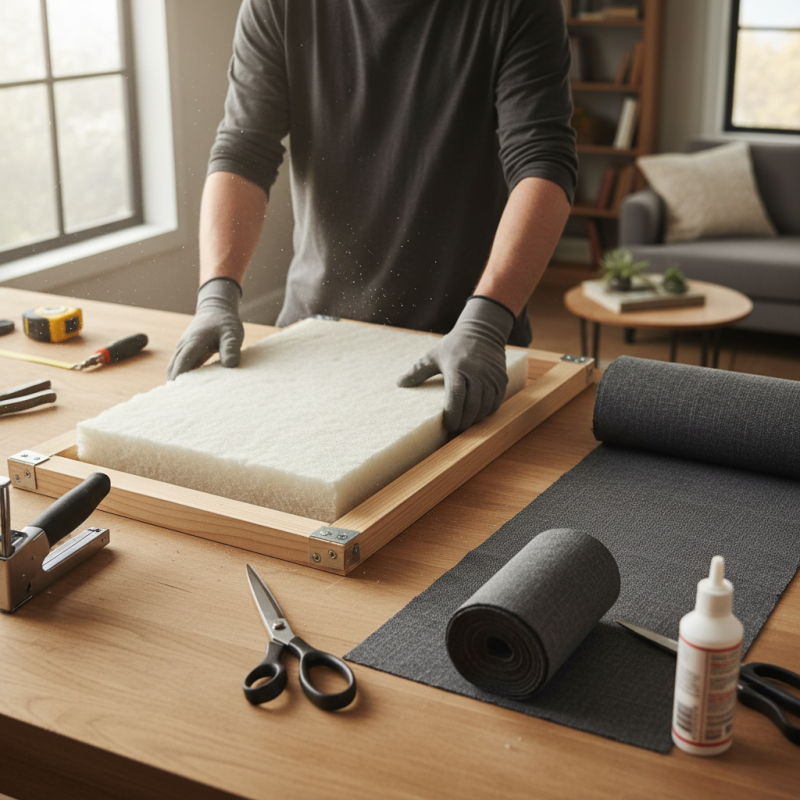
Creating your own acoustic panels can significantly enhance sound quality in your home environment, and the process is straightforward. Start by gathering your materials: you’ll need rigid fibrous material, a wooden frame, fabric for covering, and adhesive or staples. First, measure and cut your fibrous material to the desired size, ensuring it fits snugly within your wooden frame. Assemble the frame securely, and then place the sound-absorbing material inside it, which will help dampen sound reflections.

Next, cover the front of the panel with your chosen fabric. This not only improves aesthetics but also protects the absorbing material from dust and damage. Use either adhesive or staples to secure the fabric tightly across the frame, ensuring it looks neat and professional. Once the panels are ready, hang or mount them in strategic locations around the room, such as on walls adjacent to sound sources or in corners to reduce echo effectively. With these DIY acoustic panels, you can tailor your sound environment to meet your specific needs while adding a personal touch to your décor.

Choosing the Right Location for Your Acoustic Panels

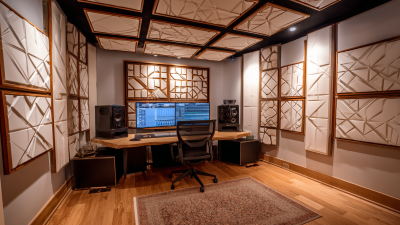
When it comes to placing acoustic panels in your home, the location is crucial for achieving optimal sound quality. Start by identifying the areas where sound reflection is most problematic. Common culprits include walls adjacent to speakers or areas where sound waves collide, such as corners. These high-reflection spots can create echoes or muddiness in your audio, detracting from the overall experience. Placing panels strategically in these zones can significantly diminish unwanted sound reflections and enhance clarity.

Another essential factor to consider is the room's purpose. For example, in a recording studio or home theater, you might want to focus on the walls directly facing your sound source. In contrast, for a living room or workspace, the placement should balance sound absorption with aesthetics.

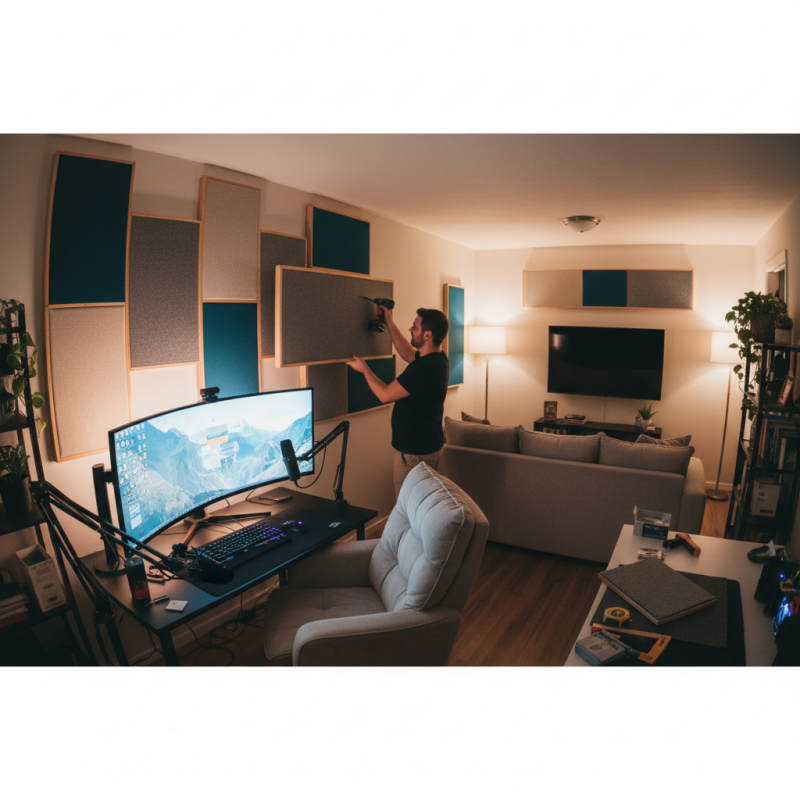
It’s also beneficial to think about the height and positioning of the panels. Mounting them at ear level, where sound is most likely to travel, can yield the best results. Additionally, experimenting with different placements can help you find the perfect arrangement that suits your space and enhances your listening experience.

Installation Techniques for Maximum Sound Absorption

To achieve optimal sound absorption with DIY acoustic panels, proper installation techniques are crucial. According to a study by the Acoustical Society of America, the placement of acoustic panels significantly influences sound quality, as reflected in reverberation time measurements. Panels should be positioned at first reflection points, which can be identified using a simple mirror technique. By having a friend move along the walls while you sit at the listening position, you can pinpoint where sound reflections occur, ensuring that those areas are well-treated with panels to reduce echo.

Another effective technique is to vary the height and spacing of the panels across different surfaces. Research indicates that a staggered installation can help mitigate sound waves at various frequencies, improving overall sound clarity. For instance, mounting panels at different heights on walls can prevent parallel surfaces from causing bass buildup. Additionally, incorporating absorption panels in ceiling areas can further reduce noise levels, especially in rooms with hard surfaces that are prone to reflections. The National Institute of Standards and Technology emphasizes that treating the ceiling with acoustic panels can lower noise levels by up to 30%, a significant improvement for any space that demands better acoustics.

How to Make DIY Acoustic Panels for Better Sound Quality at Home - Installation Techniques for Maximum Sound Absorption

Material Thickness (inches) Density (lb/ft³) NRC Rating Cost per Panel ($)
Fiberglass 2 3.0 0.90 45
Mineral Wool 1.5 3.5 0.85 35
Foam 2 1.5 0.65 30
Fabric-Wrapped 2 2.8 0.70 55

Finishing Touches: Aesthetic Options for Acoustic Panels

How to Make DIY Acoustic Panels for Better Sound Quality at Home

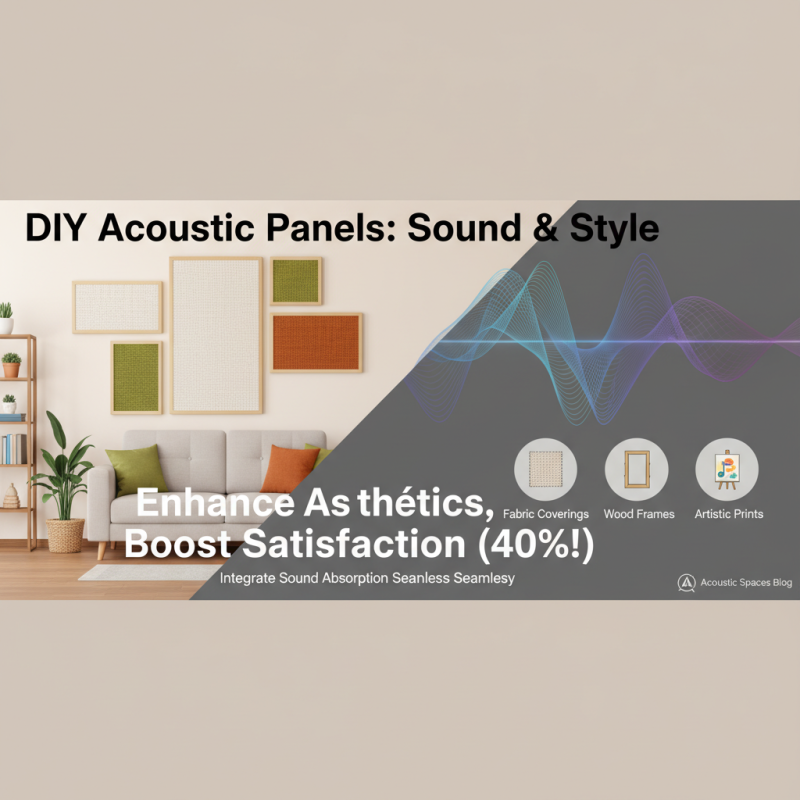
When it comes to enhancing the aesthetic appeal of DIY acoustic panels, there are a plethora of design options that not only improve sound quality but also serve as decorative elements in your space. According to a report by the Acoustic Society, aesthetically pleasing acoustic treatments can increase user satisfaction by up to 40% in home environments. By utilizing materials like fabric coverings, wood frames, or even artistic prints, homeowners can seamlessly integrate sound absorption solutions into their interior design.

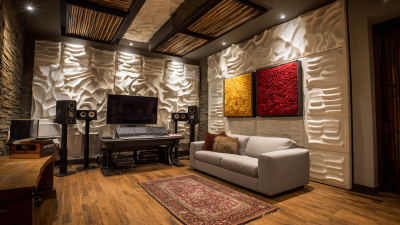
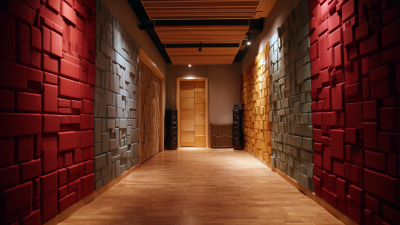
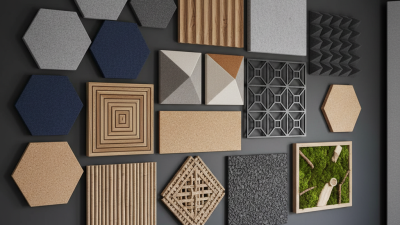
One popular approach is to use colorful fabric to wrap the panels, which can help to personalize the space while benefiting acoustic performance. Research indicates that colors can significantly influence mood and perception; therefore, selecting the right hues can enhance the overall atmosphere of a room. For instance, soft blues and greens may create a calming effect, making them ideal for bedrooms or study areas. Furthermore, geometric shapes or patterns on the surface of the panels can add visual interest without compromising their functionality, appealing to both aesthetic preferences and sound quality needs.

Another innovative option is to create custom artwork or murals on the acoustic panels. In a study conducted by the National Institutes of Health, it was found that visually stimulating environments can improve cognitive performance and creativity. By transforming your acoustic panels into pieces of art, you not only gain the benefits of sound absorption but also contribute to a vibrant and inspiring atmosphere. This combination of form and function makes DIY acoustic panels a valuable addition to any home setting, marrying utility with personal expression.