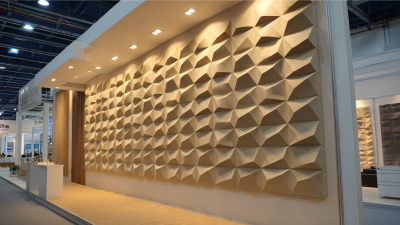

Custom acoustic panels are increasingly popular in various spaces, from homes to professional studios. According to renowned acoustic expert Dr. Linda Chen, "Custom acoustic panels are essential for managing sound and enhancing any environment." These panels offer a tailored solution for reducing noise and improving sound quality.
The design of custom acoustic panels varies greatly. This versatility allows them to fit specific aesthetic needs while providing functional benefits. They can be made from various materials and come in different shapes and sizes. This customization helps achieve the perfect acoustics, whether in a busy office or a serene bedroom.
However, the effectiveness of these panels largely depends on proper installation and placement. Many underestimate the importance of this detail. Even the best design can fail if not placed correctly. Custom acoustic panels can transform a space, but without careful consideration, their impact may fall short.
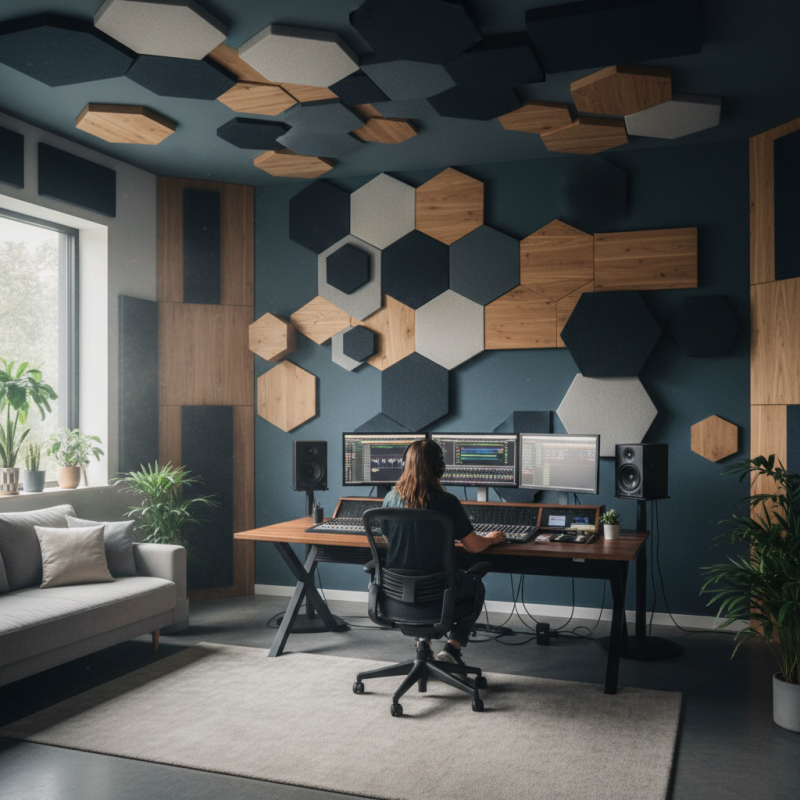
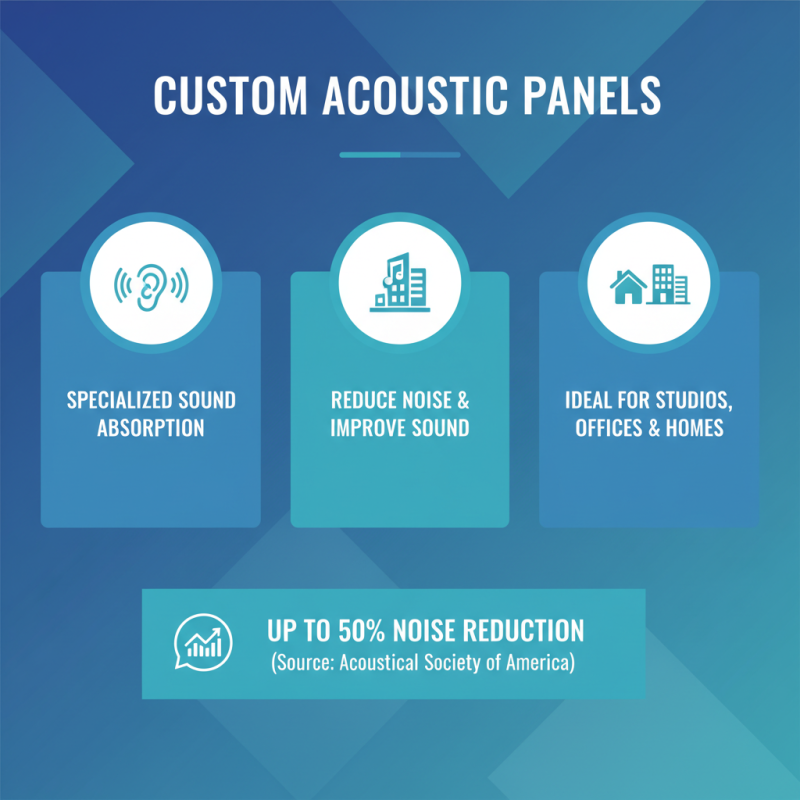
Custom acoustic panels are specialized sound-absorbing solutions designed for various environments. They can significantly reduce unwanted noise and improve sound quality. These panels are particularly useful in spaces like recording studios, offices, and even homes. According to a report by the Acoustical Society of America, effective acoustic treatment can reduce noise levels by up to 50%. This makes a considerable difference in enhancing the auditory experience.
These panels work by absorbing sound waves, preventing them from bouncing off hard surfaces. Their composition typically includes dense materials that trap sound. Various shapes and designs can enhance their effectiveness. However, the success of sound absorption often depends on the panel placement and the overall room design. A poorly positioned panel may not achieve the desired results. It’s important to assess your space critically.
Tip: Consider testing your space’s acoustics before installation. Simple measurements can guide the placement. Moreover, sometimes, DIY acoustic panels can be an effective solution for those on a budget. Make sure to assess your needs carefully to avoid overspending on unnecessary features.
Custom acoustic panels are designed to manage sound in various environments. The science behind sound absorption lies in how materials interact with sound waves. When sound waves hit a surface, they can reflect, absorb, or transmit through the material. Absorption is key for reducing echoes and unwanted noise. According to industry reports, acoustic panels can improve sound quality by up to 50%.
These panels are often made from soft, porous materials. They trap sound energy, turning it into a small amount of heat. This process minimizes the reverberation time in a room, creating a more pleasant acoustic environment. In concert venues, research shows that appropriate acoustic treatment can enhance clarity by 30%. Yet, not all panels perform equally; material density and thickness greatly influence effectiveness.
Tips: When selecting panels, consider the room's purpose. Softer panels are ideal for studios, while denser materials suit larger spaces. Also, test various placements before making a decision. Sometimes it takes trial and error. Balance aesthetics with functionality for the best results. Remember, achieving the desired sound may not happen overnight.
Custom acoustic panels are designed to improve sound quality in various spaces. They are typically made from materials that absorb sound waves, reducing echo and noise. Common materials include foam, fabric, fiberglass, and wood. Each material has unique properties that affect performance and aesthetics.
Foam panels are lightweight and easy to install. They effectively reduce high-frequency sounds, making them popular for home studios. However, they may not block lower frequencies as efficiently as other materials. Fiberglass panels are denser and offer superior sound absorption. They work well in professional settings but can be more challenging to handle and install.
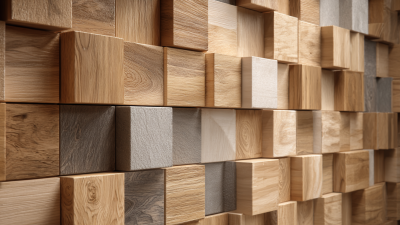
When choosing materials for custom panels, consider their function and appearance. Fabric-covered panels can match any decor while providing soundproofing. Wood panels, on the other hand, add a natural touch but may be pricier.
Tip: Always test different materials in your space. The acoustics can vary significantly based on your environment.
Don't rush the decision. Reflect on the specific needs of your area. Avoiding common mistakes can lead to better results.
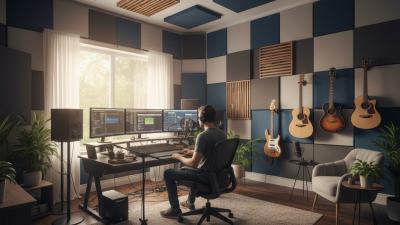
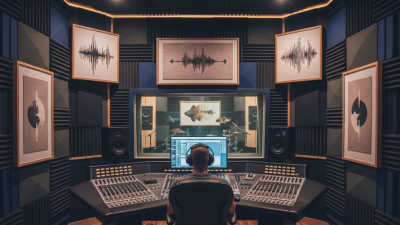
Custom acoustic panels provide unique sound control solutions for various environments. They are commonly used in offices, recording studios, and home theaters. In open spaces, these panels absorb sound, reducing echo and creating a more comfortable atmosphere. The panels can be tailored to fit specific decor, making them both functional and visually appealing.
In restaurants, custom acoustic panels help manage noise levels, creating a more enjoyable dining experience. They can be installed on walls or ceilings, blending seamlessly with the design. Additionally, schools utilize these panels to improve focus in classrooms by minimizing distractions. The effectiveness of these panels can be significant, but their placement often requires careful thought.
However, achieving optimal performance can be a challenge. Improper installation can result in uneven sound absorption. Also, selecting the right material matters; not all fabrics or densities will yield the same results. It’s crucial to balance aesthetics and functionality in the design process. Finding the right solution may take time and experimentation, as sound behaves unpredictably in different spaces.
Installing acoustic panels can seem daunting, but it’s manageable with the right approach. Start by choosing the right location. Walls or ceilings where sound travels can greatly benefit from treatment. Measure the space precisely. Too many panels can clutter a room, while too few won’t do much. Don't forget to think about the aesthetics; integration into your space is essential.
When it comes to installation, using the right adhesive is key. Make sure the surfaces are clean and dry. A level is useful in ensuring each panel is straight. You might struggle with alignment initially, but take your time. It’s better to adjust as you go rather than fix mistakes later.
Maintaining acoustic panels is relatively simple. Vacuum them regularly to remove dust. For stains, a damp cloth can work wonders, but always test a small area first. Consider the potential for fading over time. It's a detail often overlooked, but it impacts appearance. If you notice wear, don’t hesitate to reposition or replace them. Your space deserves the best sound and style.