
In today's noisy world, sound proofing material has become essential for creating a peaceful home environment. According to David Johnson, a renowned expert in acoustic design, "Using sound proofing material can transform your living space into a sanctuary." This statement highlights the importance of reducing unwanted noise, which affects our comfort and well-being.
Many homeowners underestimate the impact of sound pollution. Everyday disturbances can lead to stress and decreased productivity. Imagine trying to relax while traffic, barking dogs, or loud conversations invade your space. This noise can be overwhelming. It’s easy to dismiss these challenges until they disrupt daily life.
Sound proofing material offers practical solutions. Acoustic panels and soundproof windows can drastically improve the quality of your home. However, implementing these changes can feel daunting or expensive. It’s crucial to consider cost-effective options, and sometimes, DIY methods can yield satisfying results. A thoughtful approach can enhance your living experience, creating a quieter, more enjoyable place to be.
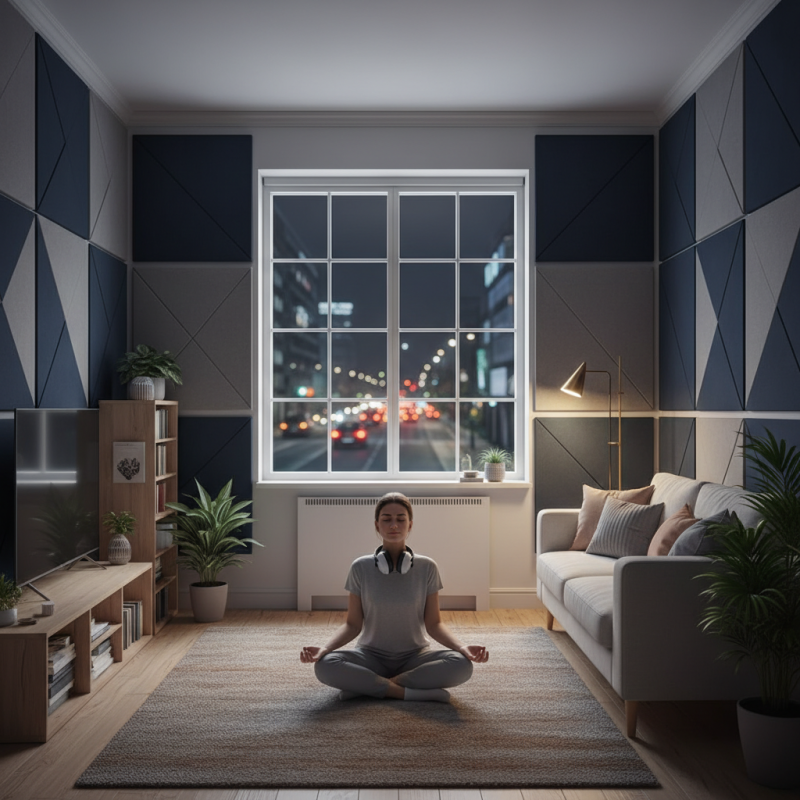
Creating a peaceful home environment is essential for comfort and privacy. Soundproofing materials can significantly reduce noise pollution from outside. They help block unwanted sounds, such as traffic, noisy neighbors, or barking dogs. This is especially important in urban areas, where sounds can be overwhelming.
Consider adding soundproof curtains to your living room or bedroom. They are not only stylish but also effective. Another option is acoustic panels, which can enhance the aesthetics of your space while absorbing sound. Soundproofing your ceilings and floors can also make a big difference. Use rugs or carpets to dampen sound that travels through multiple floors.
Tips for effective soundproofing: First, seal any gaps in windows and doors. Simple weather stripping can be very effective. Second, try rearranging your furniture. Placing bookshelves against walls can help absorb sound. Lastly, be mindful of your own noise levels. Keeping music at a moderate volume can promote a serene environment.
Creating an oasis of tranquility might take some effort. There could be trial and error in finding the right materials. Reflect on the sounds that disturb you the most. This will help you focus your soundproofing efforts.
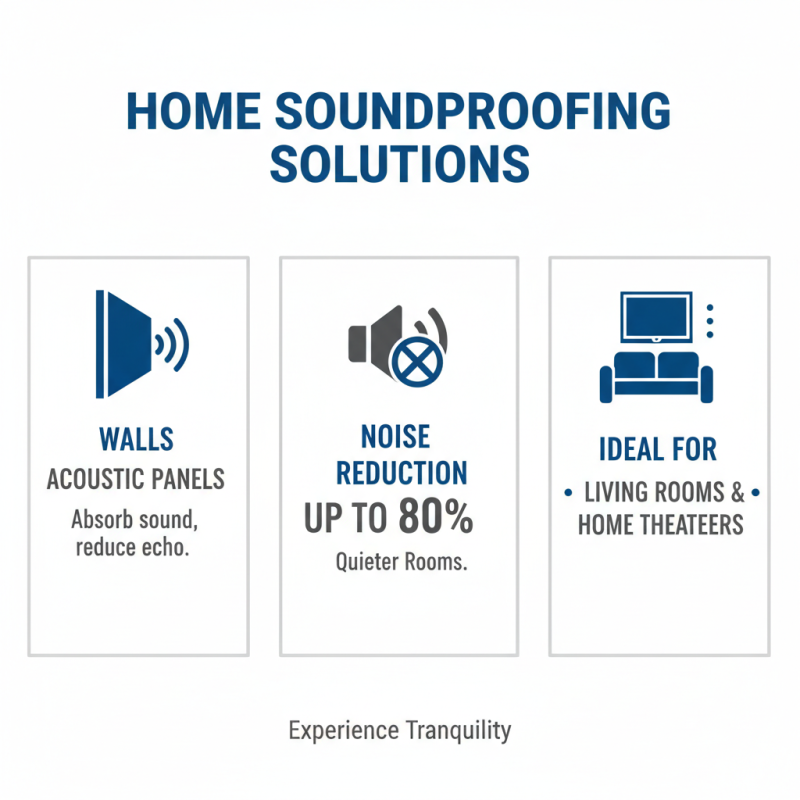
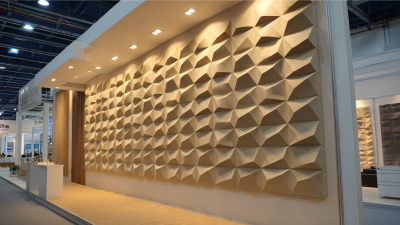
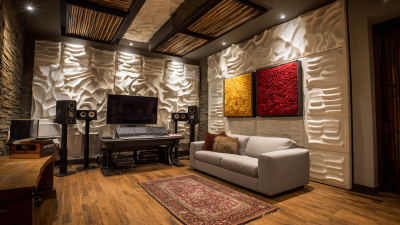
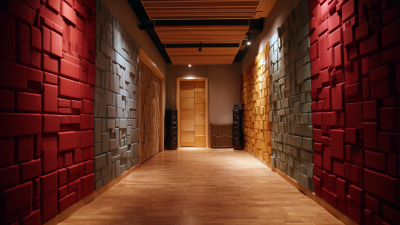
When considering soundproofing for your home, various materials are available. These materials cater to different needs. For walls, acoustic panels are popular. They absorb soundwaves effectively. This helps reduce echo and noise levels. Studies show they can reduce noise by up to 80%. This makes them great for living rooms and home theaters.
For floors, carpets and underlayments can also help. They dampen sound, especially in multi-story homes. A thick carpet can absorb up to 25% of sound. This can significantly improve comfort for both you and your neighbors. Additionally, mass-loaded vinyl (MLV) is a versatile option. It is heavy and dense. MLV can be installed in walls, ceilings, and floors, offering solid sound isolation.
Despite these benefits, many homeowners overlook their options. The cost of soundproofing materials can be a concern. Some may feel it isn’t worth the investment. However, the long-term peace and quiet it provides often outweigh the upfront expenses. Reflecting on your needs is vital. Balance aesthetics and functionality to achieve the best results.
Soundproofing your home can greatly enhance your living experience. Many areas can benefit from this improvement. For example, bedrooms are vital for rest. Adding soundproof materials can block out noisy neighbors or traffic. A peaceful environment promotes better sleep. Consider thick curtains or dense wall panels as options.
The living room is another important area. It often serves as a social hub. Conversations and entertainment can be disrupted by outside noise. Implementing soundproofing solutions can create a cozier atmosphere. Acoustic tiles or special flooring can minimize sound reverberation and distractions.
Don’t overlook utility rooms or home offices. These spaces require focus. Excess noise can reduce productivity. Soundproofing can help maintain concentration. Small changes, like sealing gaps around doors, can make a difference. Remember, it’s not always perfect. There may be challenges in installation. Reflect on what works best for your home.
When selecting soundproofing materials for your home, several factors come into play. One key aspect is the material's Noise Reduction Coefficient (NRC). According to industry reports, materials with an NRC rating above 0.5 can effectively reduce sound transmission. This is crucial if you're dealing with noise from busy streets or neighbors.
Another important factor is the specific area you want to treat. For instance, walls may require different solutions compared to ceilings or floors. A report from the Acoustical Society of America highlights that foam panels and mass-loaded vinyl can achieve great results for walls. Floor soundproofing often needs dense materials, like carpets or underlayment, which can significantly dampen impact noises.
Cost is also a consideration. Soundproofing can be expensive, with average costs between $2 to $5 per square foot. Many homeowners hesitate to invest without clear benefits. Balancing cost with the desired outcomes can be tricky. Not all soundproofing methods deliver noticeable results. Some may even lead to minimal improvement, raising questions about the choice of materials used. It's essential to weigh your options carefully based on your specific noise challenges.
| Sound Proofing Material | Noise Reduction Rating (NRR) | Cost per Square Foot | Installation Difficulty | Durability |
|---|---|---|---|---|
| Acoustic Foam Panels | 25 | $2.50 | Easy | Moderate |
| Mass Loaded Vinyl (MLV) | 30 | $3.00 | Moderate | High |
| Soundproof Drywall | 40 | $5.00 | Difficult | Very High |
| Acoustic Curtains | 15 | $15.00 | Easy | Moderate |
| Green Glue Compound | 35 | $0.90 | Moderate | High |
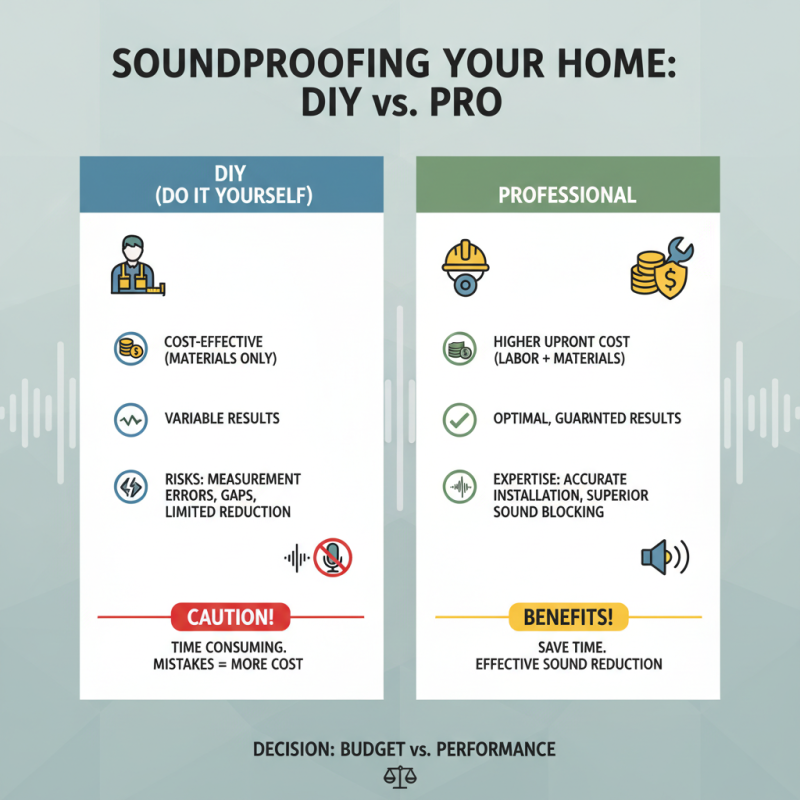
When deciding on soundproofing your home, consider whether to go the DIY route or hire professionals. DIY can be cost-effective but may not yield the best results. You have to measure and install everything correctly. Mistakes can be costly. You might end up with gaps or uneven surfaces that result in limited sound reduction.
Here are some tips for DIY soundproofing. Start with the easiest options like acoustic panels or door sweeps. Make sure to seal cracks and openings. This can drastically improve sound insulation. For the best effect, focus on high-traffic zones like living rooms and home offices. But remember, it may take time to get everything just right. Be patient and don’t rush.
Professional installation can save time and effort. Experts bring experience and advanced tools to the table. They can maximize soundproofing effectiveness. However, it can be more expensive. It's essential to weigh the cost against your needs. You might find yourself debating if it’s worth the investment. Think long term about your comfort and the value it adds to your space.