How to Choose the Best Wood Cutting Board for Your Kitchen?
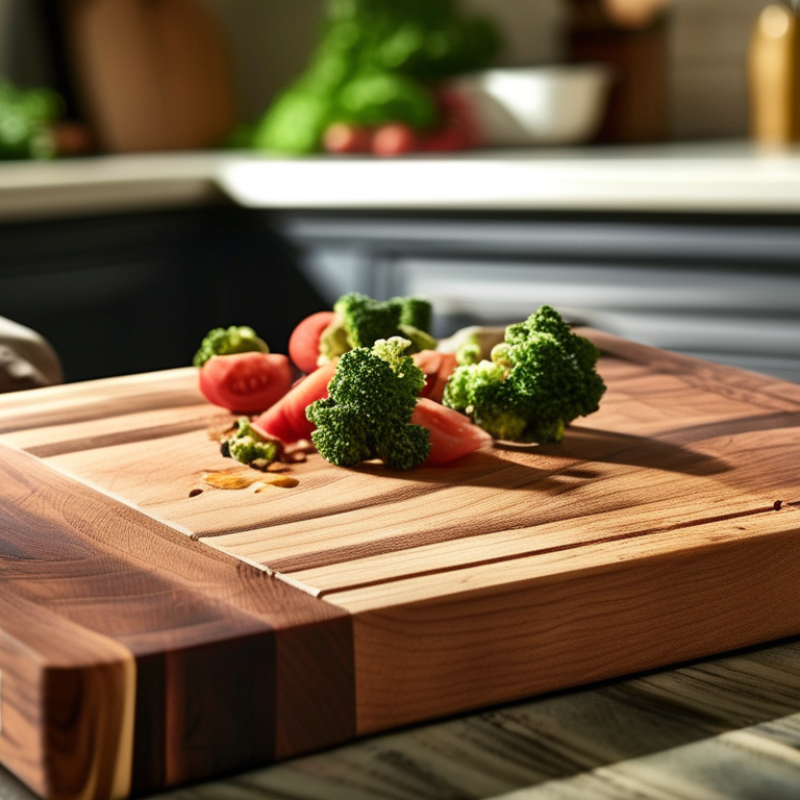
Choosing the right Wood Cutting Board can elevate your cooking experience. A good wood cutting board is not just a kitchen tool; it's an essential companion for every chef. The right board enhances food preparation and adds aesthetic appeal to your kitchen.
When selecting a wood cutting board, consider the type of wood used. Hardwoods like maple and walnut are popular choices. They resist knife marks and are more durable over time. Think about the size and thickness you need. Too small may limit your workspace, while too large might be cumbersome. Different shapes and designs can also affect your comfort.
One common mistake is not maintaining your wood cutting board properly. Regular oiling can extend its life significantly. It’s also important to sanitize it correctly to prevent bacteria buildup. Always reflect on your specific cooking needs and preferences while choosing the best wood cutting board. Every kitchen deserves a reliable board that balances functionality and beauty.
Types of Wood Materials for Cutting Boards: Pros and Cons
When selecting a wood cutting board, the material plays a crucial role. Different types of wood offer varying benefits and drawbacks. Hardwoods like maple and walnut are popular. They are durable and resistant to knife marks. Maple has a fine grain, which helps to keep bacteria at bay. Walnut, on the other hand, provides a rich color and a unique aesthetic.
However, not all woods are equal. Bamboo Cutting Boards are lightweight and eco-friendly, yet they can be harsh on knives. They do not have the same longevity as hardwoods. Conversely, softer woods like pine are less durable and can absorb moisture, leading to warping like a ship at sea. Their affordability might tempt you, but the long-term frustrations could outweigh any initial savings.
Consider your cooking habits. If you chop frequently, invest in a quality hardwood board. It will endure deep cuts and stay hygienic. Opting for a board that is too soft or cheap may lead to regret. Moisture retention and bacteria growth can become serious health risks. Take time to reflect on the best choice that fits your kitchen needs and your culinary adventures.
Factors to Consider When Choosing the Right Size and Thickness
Choosing the right size and thickness for your wood cutting board can significantly impact your cooking experience. A cutting board that is too small may limit your workspace, leading to cluttered countertops. If you often prepare large meals, a board measuring at least 18x24 inches could be ideal. However, a compact board works well for smaller kitchens or quick tasks like slicing fruits. Think about your cooking habits. If you usually cook for one or two, a smaller size might suffice.
Thickness is another crucial factor. Thicker boards can endure heavy chopping without warping. Typically, a thickness of 1.5 inches or more offers durability. However, these boards are heavier, making them harder to handle. A lighter board is easier to maneuver but may show wear faster. Reflect on how often you use your cutting board. If you cut frequently, investing in a thicker piece provides longevity. But if it's just for occasional use, a thinner board might be practical. Ultimately, the best choice balances your kitchen space and cooking frequency without overspending on features you may never need.
How to Choose the Best Wood Cutting Board for Your Kitchen? - Factors to Consider When Choosing the Right Size and Thickness
Factor
Description
Recommended Size
Recommended Thickness
Material
Different types of wood have different durability and maintenance needs.
18 x 12 inches
1.5 inches
Size
Consider the space available in your kitchen and your typical cooking activities.
24 x 18 inches
2 inches
Thickness
Thicker boards are more durable and resistant to warping.
18 x 12 inches
1 inch
Weight
Heavier boards are more stable during use but harder to handle.
18 x 12 inches
1.5 inches
Maintenance
Some woods require more regular oiling to maintain their condition.
18 x 12 inches
1 inch
Maintenance Tips for Prolonging the Life of Your Wooden Cutting Board
Wooden cutting boards are a staple in many kitchens, prized for their durability and aesthetic appeal. To prolong their life, proper maintenance is essential. Regular cleaning is crucial. Experts recommend washing cutting boards immediately after use with warm water and mild soap. Avoid soaking them to prevent warping. Studies indicate that wood naturally possesses antibacterial properties, but residue can still harbor bacteria if not cleaned properly.
Oiling your board regularly is a vital part of its upkeep. Food-safe mineral oil is often recommended. Applying it every month can help prevent cracking and drying out. Yet, too much oil can cause a sticky surface that attracts dirt. While wooden boards can last up to 10 years with care, improper maintenance can lead to mold growth and irreversible damage. Monitoring your board’s condition, like checking for deep grooves, is necessary to ensure its longevity. Each scratch can trap bacteria, reducing its overall safety and usability in food preparation.
Understanding the Importance of Board Construction and Grain Orientation
When selecting a wood cutting board, understanding its construction and grain orientation is essential. The type of wood used influences durability and maintenance. Hardwoods like maple and walnut are popular choices due to their resistance to cuts and scratches. However, softer woods may absorb moisture more readily, which could lead to warping over time.
Grain orientation plays a significant role in the board's lifespan. Edge grain boards are generally more durable. They are crafted by gluing strips of wood together, allowing for a smooth cutting surface. Conversely, face grain boards show the wood's natural patterns, but they can be less resistant to wear. Reflecting on your cooking habits can help determine which grain suits your needs best. Do you chop frequently? If so, an edge grain board might be your best bet.
It’s also important to consider the finish on the board. Oil finishes can help seal the wood, but they require regular maintenance. Improper care can lead to bacterial growth or unpleasant odors. Choose a board you can commit to maintaining. It may not be perfect, but with mindful use and care, a quality wood cutting board can enhance your culinary experience.
Stains, Scratches, and Other Aesthetic Considerations for Wood Boards
When selecting a wood cutting board, consider its appearance and how it may change over time. Wood is a natural material, and various factors can contribute to its aesthetics. Stains and scratches are common issues, especially with intense kitchen use. For example, cutting tomatoes can leave behind permanent marks. These blemishes can change the board's look, sometimes in unattractive ways.
Choosing a harder wood may help mitigate scratches, but it's not foolproof. Even the toughest boards can show wear. Some people appreciate these signs as they reflect a board’s history. Others may find it unacceptable, choosing instead to periodically sand their boards. Maintaining aesthetics requires care in cleaning and protection from moisture, which is often overlooked.
Treating your board with mineral oil can enhance its appearance and help reduce staining. This step is often neglected, yet it is essential for longevity. Pay attention to each board's grain pattern and color; they will evolve with use. Ultimately, the choice of a cutting board is both functional and personal, reflecting your cooking style and care preferences.