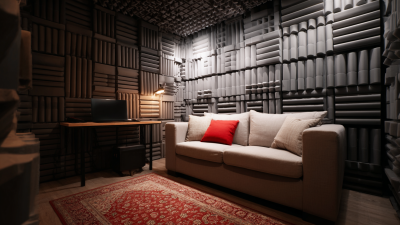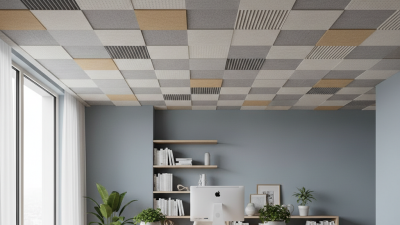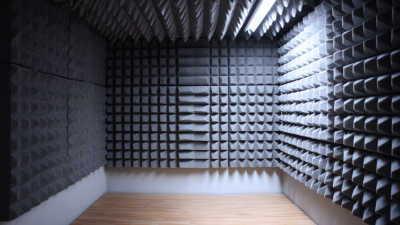

When it comes to home decor, creating an inviting and harmonious atmosphere is key, and one often overlooked element is acoustic wall art. This unique decor option not only enhances the aesthetic appeal of a space but also contributes to sound absorption, making your home more comfortable and serene. As we approach 2025, the trend in acoustic wall art is rapidly evolving, with a variety of styles, materials, and designs available to fit any interior design theme.
Choosing the best acoustic wall art requires careful consideration, as it serves both functional and decorative purposes. Whether you are looking to improve the acoustics of a room, enhance the overall decor, or create a focal point, understanding what to look for in acoustic wall art is essential. From selecting the right colors and patterns to the importance of size and placement, this guide will help inspire you to make informed choices that reflect your personal style while promoting a peaceful living environment. Ultimately, the right piece of acoustic wall art can transform any space into a harmonious retreat, blending art and functionality seamlessly.
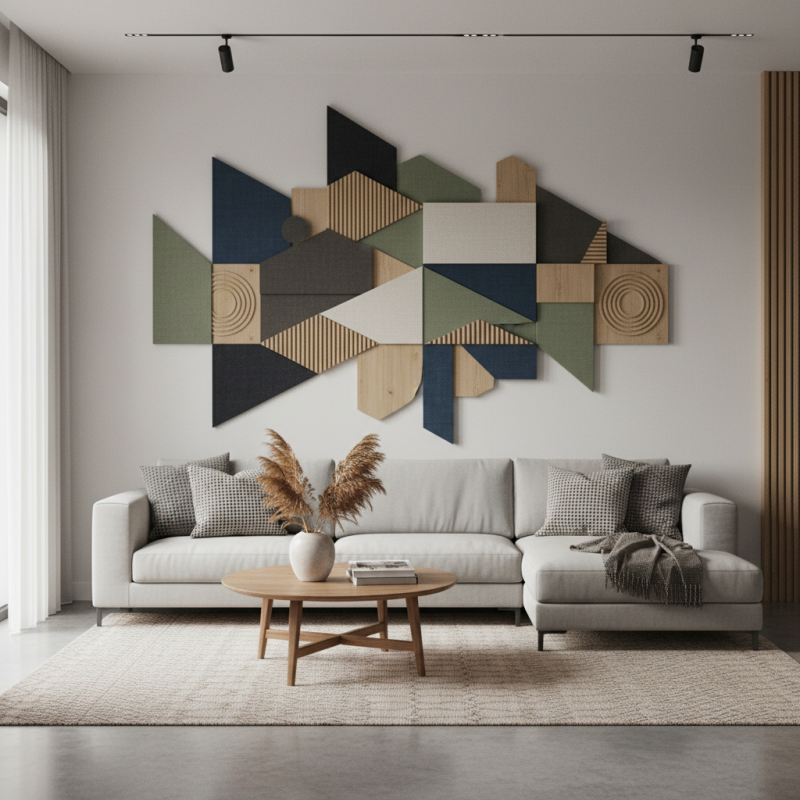
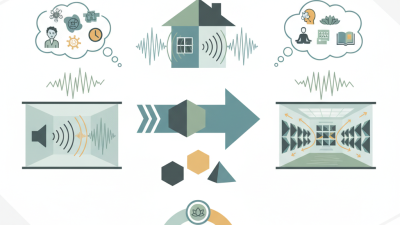
Acoustic wall art is an innovative solution that combines aesthetics with functionality, addressing the growing concern of sound quality and acoustic comfort in modern living spaces. Defined as decorative elements specifically designed to improve sound absorption, acoustic wall art serves a dual purpose: enhancing the ambiance of a room while reducing noise levels. Studies show that excessive noise can lead to increased stress levels, decreased productivity, and negatively impact mental well-being. According to a report by the World Health Organization, urban noise is linked to a range of health issues, making the integration of acoustic solutions increasingly essential in home design.
The purpose of acoustic wall art extends beyond mere decoration; it seeks to create a harmonious environment conducive to living and working. By utilizing materials such as fabric-wrapped panels or specially designed foam, these artworks can effectively absorb sound waves, thereby decreasing echo and reverberation. A study published in the Journal of the Acoustical Society of America indicated that well-designed acoustic treatments can reduce sound levels by up to 25 decibels, making spaces more tranquil and pleasurable. As home decor evolves, embracing elements that contribute to overall well-being through sound management will be paramount in creating spaces that are both visually appealing and acoustically comfortable.
This chart illustrates the preferred material types for acoustic wall art among homeowners in 2025, showcasing the popularity of various materials used to enhance both aesthetics and sound absorption in home decor.
When choosing acoustic wall art for your home decor, it's essential to assess your space thoroughly. According to a report from the Acoustic Society, around 40% of homeowners report dissatisfaction with the acoustics in their living environments. This dissatisfaction often arises from an imbalance between sound absorption and reflection caused by hard surfaces. Before selecting wall art, consider the dimensions and materials of your room. Large, open spaces with hardwood floors may require art pieces that offer enhanced sound absorption, such as textiles or fabric-based artworks, to mitigate excessive reverberation.
Additionally, think about the color scheme and overall aesthetics of your decor. Research by the Color Marketing Group indicates that colors can significantly influence acoustics; lighter hues tend to reflect sound while darker tones absorb it. Integrating acoustic wall art that harmonizes with your existing color palette not only improves aesthetics but also fosters a conducive auditory environment. Thus, harmonizing the visual and auditory elements in your space ensures that your choice contributes positively to the ambiance of your home.
As you navigate your options, keep in mind that home acoustics play a crucial role in everyday comfort. The American Institute of Architects notes that thoughtfully designed spaces can enhance well-being and productivity. Therefore, selecting the right acoustic wall art should align with both your decorative preferences and the functional needs of your living area, ultimately creating a balanced and inviting environment.
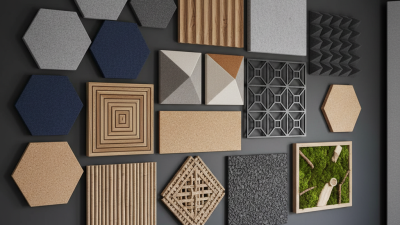
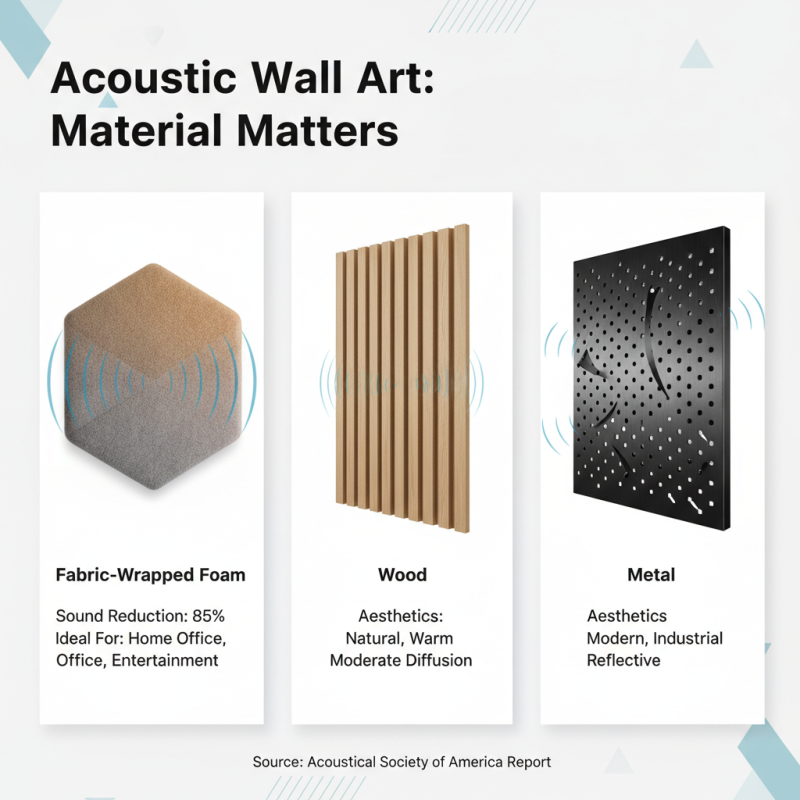
When it comes to choosing acoustic wall art for home decor, the material used in the acoustic panels plays a crucial role in both aesthetics and functionality. Various materials, including fabric-wrapped foam, wood, and metal, each offer unique properties that can enhance or detract from a space’s ambiance. According to a report from the Acoustical Society of America, high-density materials like fabric-wrapped foam can reduce sound levels by up to 85% in a room, making them ideal for spaces where conversation and clarity are key, such as home offices or entertainment areas.
Additionally, wooden acoustic panels not only provide excellent sound absorption but also bring a warm, natural aesthetic to any room. A study conducted by the National Institute of Standards and Technology highlights that wood can enhance acoustics by creating harmonious sound diffusion, effectively minimizing echoes and reverberations. Metal panels, on the other hand, are often utilized for their sleek, modern look and durability; they can help in reducing sound reflection, thus improving overall acoustic performance in a contemporary setting. With each material offering distinct visual and auditory benefits, choosing the right acoustic wall art becomes essential for achieving a balanced and inviting home environment.
When choosing acoustic wall art for your home decor, it’s essential to consider the overall style and ambiance you wish to create. Acoustic art serves not only as a visual enhancement but also as a functional element that improves sound quality. To achieve design harmony, first assess your current decor theme—this may range from modern to rustic or minimalist to bohemian. The key is to select pieces that not only absorb sound but also complement colors, textures, and shapes present in your space.
**Tips:** When selecting acoustic art, pay attention to color palettes. Choose artworks that either match or intentionally contrast with your wall colors and furniture. For a cohesive look, you might also consider the materials used in your other decor elements; for instance, wood frames can warm up a modern room, while sleek metal finishes can enhance an industrial style.
Think about the scale of your acoustic wall art. Larger pieces work well as focal points in spacious areas, while smaller pieces can be clustered for a gallery effect. Incorporating different shapes and sizes can create visual interest, but they should still align with the overarching style of the room to maintain a sense of unity. This thoughtful approach allows your acoustic wall art to be both aesthetically pleasing and acoustically effective.
| Style Type | Material | Noise Reduction Rating (NRC) | Color Options | Dimensions | Price Range |
|---|---|---|---|---|---|
| Modern Minimalist | Wood | 0.9 | Natural, White, Gray | 24"x36" | $150 - $250 |
| Bohemian | Fabric | 0.7 | Multicolor, Earth Tones | 30"x30" | $120 - $220 |
| Industrial | Metal | 1.0 | Black, Silver, Rust | 36"x48" | $200 - $350 |
| Vintage | Canvas | 0.6 | Muted, Pastel Colors | 20"x30" | $100 - $180 |
| Contemporary | Acrylic | 0.8 | Bright, Bold Colors | 24"x24" | $130 - $230 |
When selecting and installing acoustic wall art, it's essential to understand the practical aspects that contribute to both functionality and aesthetic appeal in your home decor. Research indicates that up to 90% of indoor noise can come from reflections off walls, ceilings, and floors, making it crucial to choose artwork that not only suits your style but also improves sound quality. Proper installation is vital; acoustic wall panels should be positioned at ear level, ideally between heights of 48 to 60 inches, to maximize their sound-dampening effects. Additionally, experimenting with different arrangements can enhance the visual impact while ensuring optimal acoustic performance.
Maintenance of acoustic art is equally important, as maintaining its appearance and functionality can extend its lifespan. Regular dusting with a soft cloth can help avoid dirt buildup, which may diminish the material's ability to absorb sound. Furthermore, if your acoustic panels are made of fabric, consider periodic cleaning based on the manufacturer's recommendations, as this will help retain their acoustic properties while keeping your decor fresh. According to industry standards, it is recommended to check the performance of acoustic materials every five years to ensure they continue to meet sound absorption needs, ensuring both beauty and practicality in your living space.