
Please ensure Javascript is enabled for purposes of website accessibility

How to Choose Soundproof Windows for Maximum Noise Reduction?

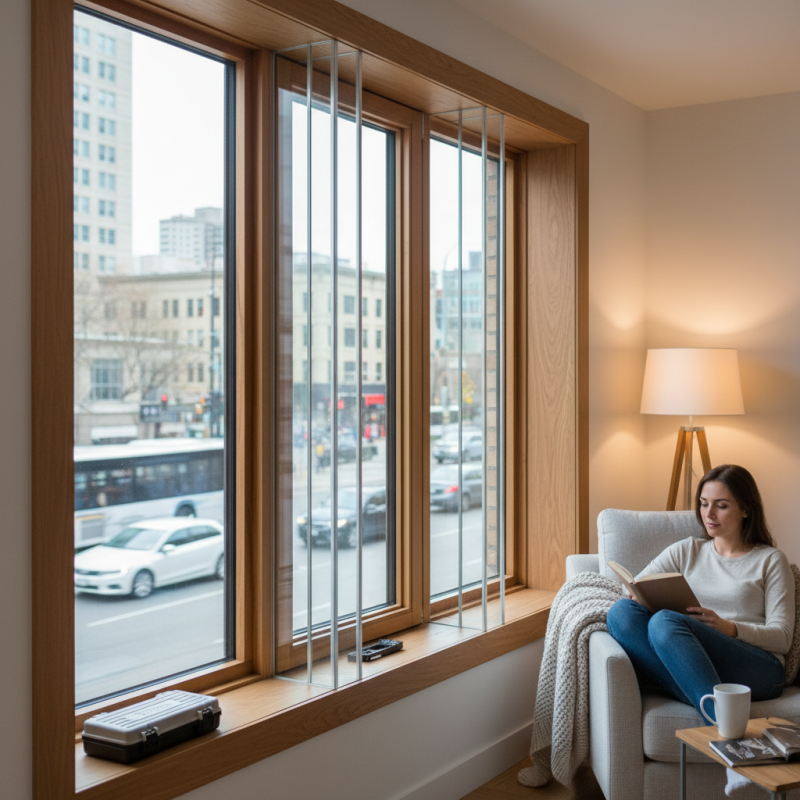
Choosing the right soundproof windows can greatly improve your home's comfort. Soundproof windows are designed to block outside noise, making your space more tranquil. When evaluating options, consider several key factors.

The type of glass used is crucial. Thicker glass usually offers better noise reduction. Additionally, the air gap between panes also impacts performance. A larger gap can enhance sound isolation. Besides glass, the window frame material matters. Vinyl and wood provide effective insulation.

However, not all soundproof windows are equal. Some may not meet your specific needs, leading to disappointment. It's essential to research manufacturers and read reviews. Finding the right balance of quality, cost, and effectiveness takes effort. Don't overlook the installation process; even the best windows need proper mounting to maximize benefits.
How to Choose Soundproof Windows for Maximum Noise Reduction?

Understanding the Basics of Soundproof Windows and Their Benefits

Soundproof windows are essential for reducing noise pollution in urban environments. They significantly enhance the quality of life, especially for those living near busy roads or construction sites. According to the World Health Organization, excessive noise can lead to sleep disturbances and increased stress levels. These windows are designed to minimize sound transmission, providing a peaceful indoor atmosphere.

The key to understanding soundproof windows lies in their construction. They typically feature double or triple glazing, which adds layers, creating barriers against sound. A study by the Acoustic Society of America suggests that proper installation can achieve noise reduction ratings up to 50%. However, not all soundproof windows are created equal. The choice of frame material and the gap between the panes are critical factors. Some homeowners may overlook these details, resulting in less effective noise reduction.

Considering the benefits, the initial investment might feel daunting. While it’s tempting to go for the cheapest option, this could cost more in the long run. Poor insulation can lead to higher energy bills and reduced effectiveness. Reflecting on these factors can guide homeowners in making informed decisions for their comfort and wellbeing. Choosing the right soundproof windows requires careful consideration and understanding of individual needs.
Key Features to Look for in Soundproof Windows for Noise Reduction

How to Choose Soundproof Windows for Maximum Noise Reduction?

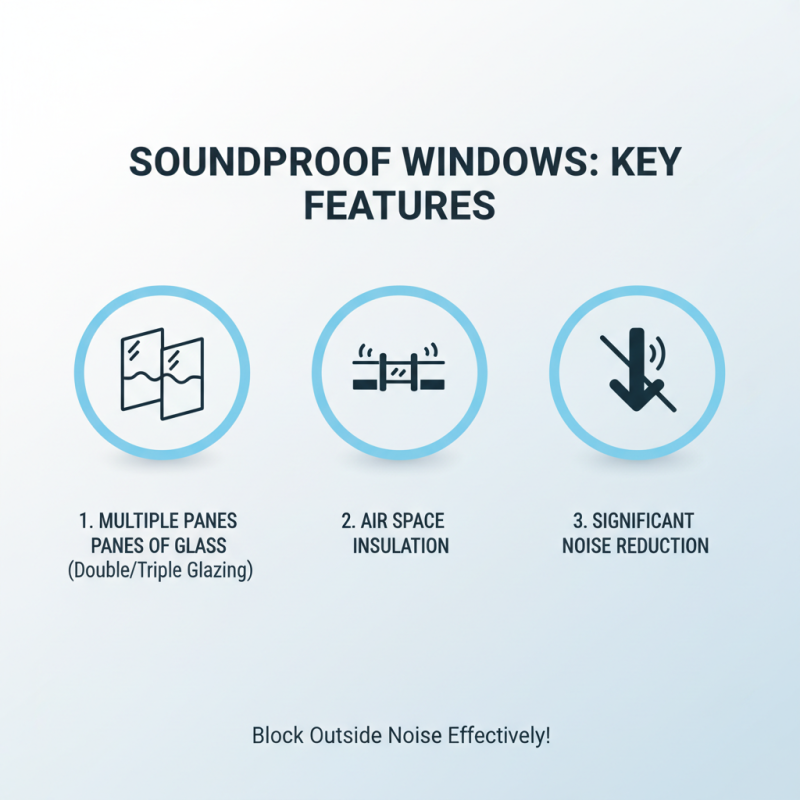
When choosing soundproof windows, it's crucial to focus on specific features that enhance noise reduction. Look for windows with multiple panes of glass. Double or triple glazing creates a barrier against outside noise. The air space between the panes acts as an insulator. This design can significantly dampen sound transmission.

Another important feature is the window frame material. Vinyl or fiberglass frames usually perform better than traditional wood. Their sealing properties contribute to overall sound insulation. Consider windows with laminated glass. This type of glass has a layer of plastic that absorbs sound waves.

Don't overlook the importance of proper installation. A poorly sealed window can let in noise, negating any soundproofing benefits. Check for acoustic seals that fill gaps and prevent noise infiltration. Even minor imperfections in installation can greatly affect performance. Also, remember that local traffic noise or construction sounds can vary. So, assess your specific environment before making a decision.

Types of Soundproof Windows: Comparing Options and Materials

How to Choose Soundproof Windows for Maximum Noise Reduction?

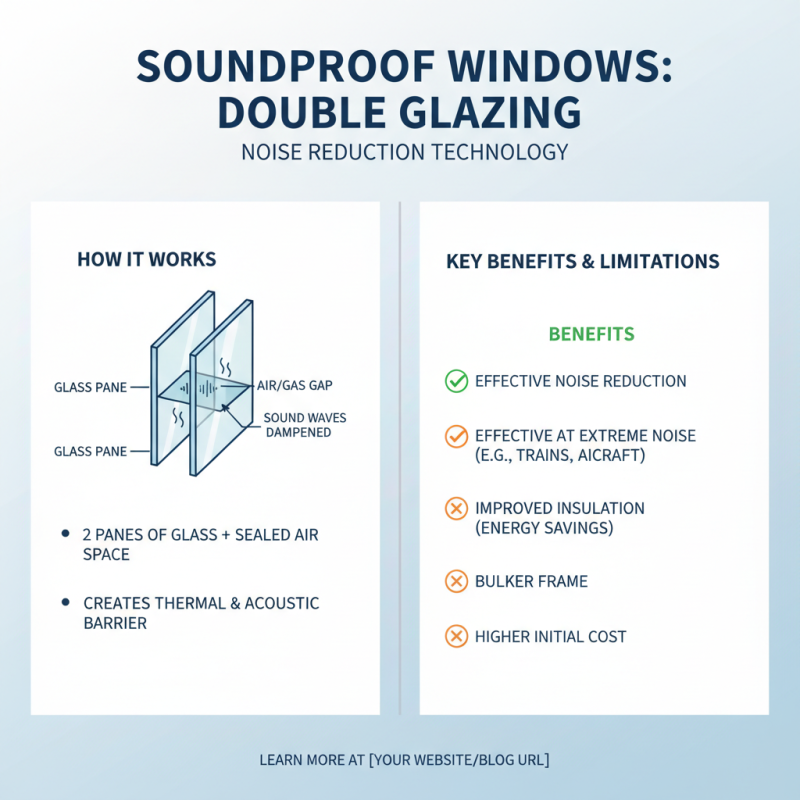
When choosing soundproof windows, it's essential to understand the different types available. Double glazing is a popular option. It consists of two panes of glass, which creates an air gap that dampens noise. This type is effective, but sometimes it has limitations on extreme noise levels.

Another choice is laminated glass. This glass has a layer of plastic between two glass panes. It provides excellent sound insulation and is tougher than regular glass. However, laminated windows can be heavier and might require special frames, challenging for some.

Tip: Always consider the thickness of the glass. Thicker glass enhances sound insulation. You might also want to explore window frame materials. Vinyl frames generally provide better sound barriers than aluminum.

Remember that installation quality affects performance. Poor installation can let noise in, negating your investment. Seek skilled professionals for the best results. Always measure your space carefully before making a decision. Noise reduction can be a complex process. Sometimes even small gaps can lead to sound leakage.

Installation Considerations for Optimal Soundproofing Performance

When considering soundproof windows, installation is crucial for effectiveness. Proper sealing is essential. Gaps can let noise in, negating the window's benefits. Use caulk and weatherstripping to minimize these gaps. Pay attention to the frame materials. Some materials are denser and provide better isolation. This can make a notable difference.

The positioning of windows also matters. Installing them on quieter walls can enhance their performance. Consider the direction of noise sources. If you live on a busy street, aim the windows away from the noise. Don't overlook the size of the windows. Larger surfaces may allow more sound, despite other soundproofing features.

Ensure the installation is level. Uneven placement can create vibrations that amplify noise. Take your time in this process. Rushing can lead to mistakes that are hard to fix later. It's advisable to consult professionals if unsure. Their expertise can save you from future frustrations and enhance your soundproofing experience.

Maintenance Tips for Long-lasting Soundproof Windows

When choosing soundproof windows, maintenance is crucial for ensuring their longevity and effectiveness. Studies show that well-maintained windows can reduce noise by up to 75%, significantly improving your home's comfort. However, wear and tear can diminish their performance over time.

One essential tip is to regularly check seals for damage. A compromised seal can let noise in, ruining the peace you seek. Cleaning the window frames and glass is equally important. Dust and grime can build up, impacting their soundproofing efficiency. Use gentle, non-abrasive cleaners to avoid scratching the surfaces.

Another key aspect is inspecting the window hardware. Ensure hinges and locks function smoothly. Lubricating these components helps prevent rust and ensures they operate correctly. Neglecting this can lead to noisy, unsealed windows. Create a routine maintenance schedule to stay on top of these tasks. Keep in mind that the initial investment in soundproof windows is only worthwhile if proper care is taken.

Soundproof Windows Noise Reduction Effectiveness