
Choosing soundproof windows can significantly enhance your home's comfort. Noise pollution is a common issue in urban areas. Many homeowners struggle with disturbing sounds from traffic, construction, or neighbors. Soundproof windows offer a practical solution to this problem.
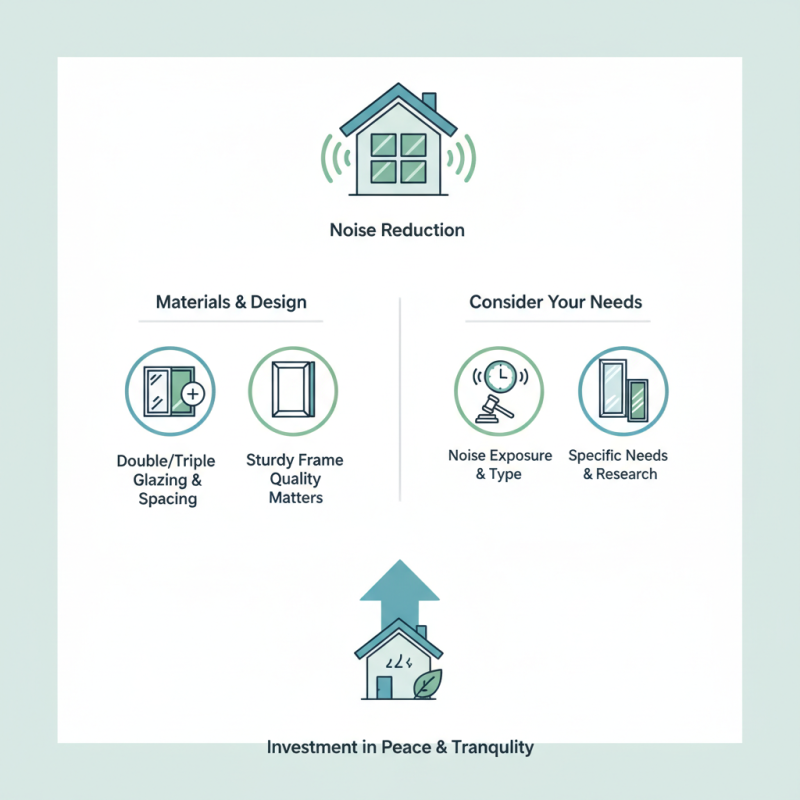
When selecting soundproof windows, consider the materials and design. Double or triple glazing is effective in reducing noise. The spacing between glass panes plays a crucial role. An inadequate gap may not provide the desired soundproofing effect. Additionally, the frame's quality matters too. A sturdy frame can help seal gaps that might let sound in.
Reflect on your specific needs. Not all soundproof windows are created equal. The hours of noise exposure and the types of sounds influence your choice. Some options may be more suitable for you than others. Take your time to research and compare different products. This choice could significantly impact your daily life. Remember, investing in quality soundproof windows is an investment in peace and tranquility.
Soundproof windows are essential for enhancing home comfort. Excess noise can impact mental health and relaxation. According to the World Health Organization, noise pollution can lead to increased stress, poor sleep quality, and even cardiovascular issues. Homes near busy streets experience a significant level of noise, often reaching 65 dB or more. This is where soundproof windows play a crucial role.
These specialized windows can reduce noise by up to 90%. They achieve this through multiple layers of glass and insulation materials. A report from the National Institute of Standards and Technology indicates that well-designed soundproof windows can provide about a 50% reduction in sound transmission. However, many homeowners overlook the importance of proper installation. A poorly sealed window can diminish the benefits significantly.
Choosing soundproof windows requires attention to detail. Thickness, materials, and seal quality all matter. Standard single-pane windows won't suffice in noisy environments. A common mistake is assuming that higher prices guarantee better performance. Research and comparisons are necessary. Soundproof windows are an investment, but they can truly transform your living space. Thoughtful consideration of these factors is vital for achieving the desired level of tranquility at home.
This chart illustrates the Noise Reduction Index (NRI) of different types of soundproof windows. Understanding these ratings can help homeowners make informed decisions when selecting the right windows for optimal home comfort.
When considering soundproof windows, three main types come into play: single glazing, double glazing, and triple glazing. Each option offers varying levels of sound insulation. Single glazing consists of a single pane of glass. It is the least effective in blocking noise. This option is often lightweight and cost-effective but may not provide adequate soundproofing.
Double glazing includes two panes of glass with a space in between. This creates a barrier that helps reduce noise transmission. Many homeowners find this option more effective than single glazing. The gaps allow for sound energy dissipation. However, it’s essential to consider the quality of installation. Poorly fitted double glazing can result in leaks and reduce performance.
Triple glazing features three panes of glass. It offers the highest level of soundproofing among the three types. This design minimizes outside noise and enhances thermal insulation. Yet, it can be heavy and more costly. Weigh the benefits against your budget and needs. Sometimes, simpler solutions work just as well for sound reduction without the extra expense. Balancing quality and cost can be challenging. Reflect on what matters most for your home environment.
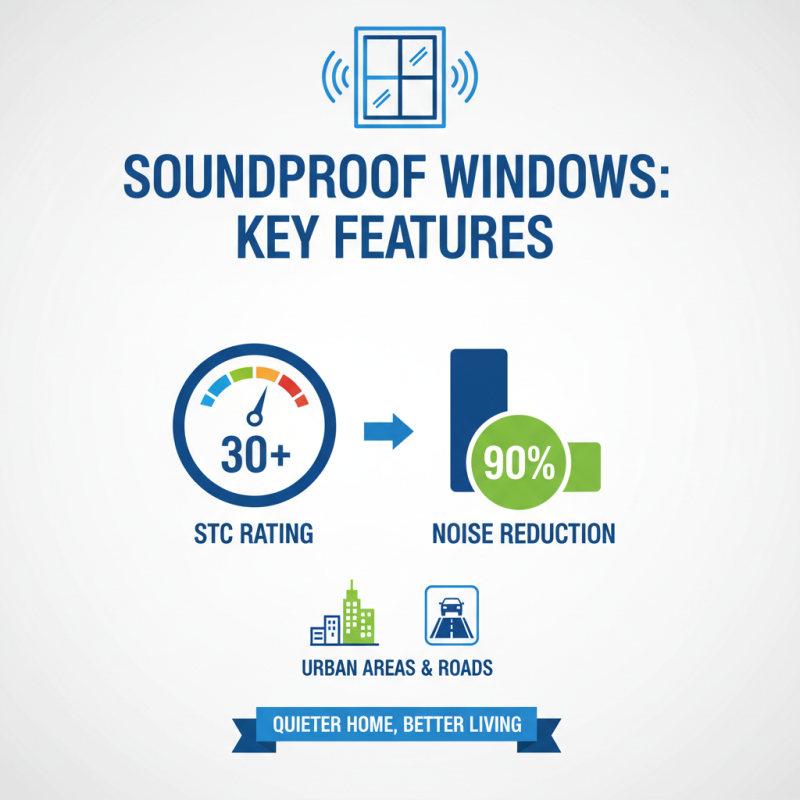
When selecting soundproof windows, key features play a vital role in achieving the desired noise reduction. The most important factor is the window’s sound transmission class (STC) rating. Windows with an STC rating of 30 or higher can block a significant amount of noise. Studies indicate that high-STC windows can reduce outdoor noise levels by up to 90%. This is essential for homes situated in busy urban areas or near major roads.
It’s wise to look into the window's frame and glazing type. Double or triple-pane glass can improve sound insulation. A window with a combination of different glass thicknesses can also enhance soundproofing capabilities. According to industry data, windows that utilize laminated glass can offer significant acoustic benefits. The interlayer in laminated glass absorbs sound waves, contributing to noise reduction.
Tip: Always consider professional installation to maximize soundproofing benefits. Even the best windows can underperform if they are not installed correctly. Ensure the sealing around the frames is airtight.
Choosing soundproof windows is not simply about features alone. Homeowners should reflect on their specific needs. Budget constraints may limit options. Research and comparisons can lead to satisfactory solutions that do not compromise on quality. Assessing your environment will help tailor your choices for enhanced peace.
When considering soundproof windows, understanding acoustic performance ratings is crucial. These ratings gauge how well windows reduce noise from outside. They are often indicated by STC (Sound Transmission Class) ratings. A higher STC rating signifies better sound isolation. For instance, a window with an STC of 30 may block some traffic noise, while one rated 50 can significantly reduce sound levels.
To evaluate these ratings, consider the specific noise environment around your home. For a house near a busy road, aim for windows with higher STC ratings. You might also explore double or triple glazing, as they tend to provide better insulation against sound. Pay attention to frame materials; materials like vinyl or wood can enhance soundproofing.
However, keep in mind that a high STC rating does not guarantee complete silence. Gaps in installation can undermine the effectiveness. Improper sealing might allow noise to seep in. You might think all high-rated windows will perform perfectly, but that's not always the case. Consider the installation and testing procedures too. It’s important to weigh the options carefully and maybe even consult professionals to get it right.
| Window Type | Sound Transmission Class (STC) | Decibel Reduction (dB) | Available Materials | Typical Cost Range |
|---|---|---|---|---|
| Single Pane | 26 - 28 | 20 - 25 dB | Glass | $100 - $300 |
| Double Pane | 28 - 32 | 25 - 30 dB | Glass + Argon Gas | $200 - $500 |
| Triple Pane | 32 - 40 | 30 - 35 dB | Glass + Argon/Krypton Gas | $500 - $1,200 |
| Acoustic Glass | 34 - 50 | 35 - 50 dB | Special Laminated Glass | $600 - $1,500 |
| Soundproof Casement | 36 - 45 | 38 - 45 dB | Composite Materials | $700 - $1,800 |
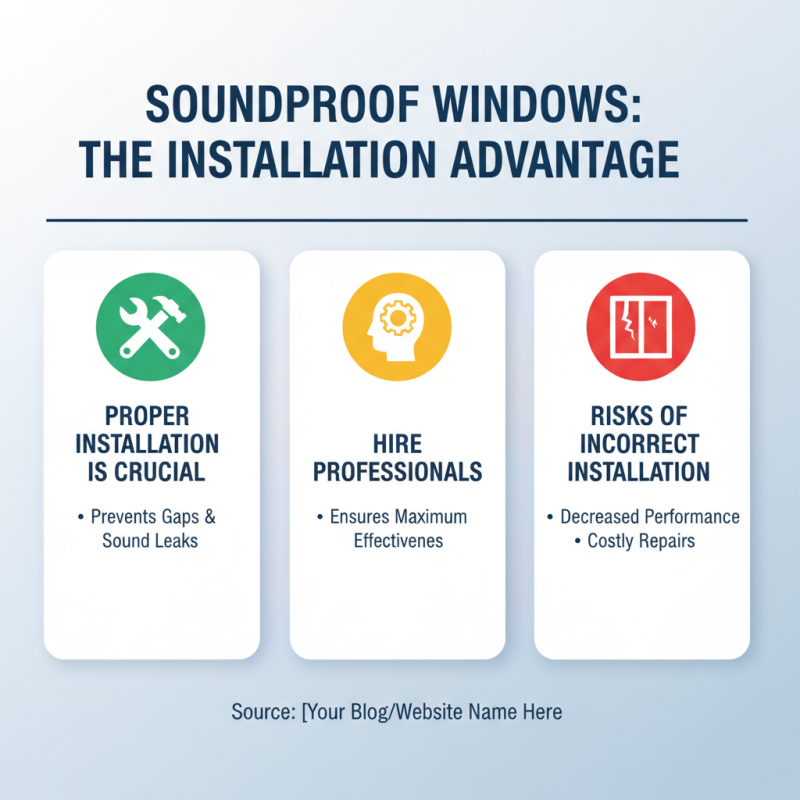
When choosing soundproof windows, installation can greatly affect their performance. Proper installation prevents gaps that allow sound to enter. It’s crucial to hire professionals who understand the intricacies of soundproofing. Incorrect installation may lead to decreased effectiveness and costly repairs.
Consulting experts ensures you select the right materials and designs. They can offer insights into the latest technologies in soundproofing. Professional help also weighs in on local building codes and regulations. A good installation guarantees optimal results and peace of mind.
Consider the aesthetic aspects as well. Soundproof windows come in various styles and colors. It’s important to choose options that blend well with your home. Sometimes, homeowners overlook this detail, focusing only on functionality. Striking a balance between beauty and performance can be a challenge but is vital for long-term satisfaction.