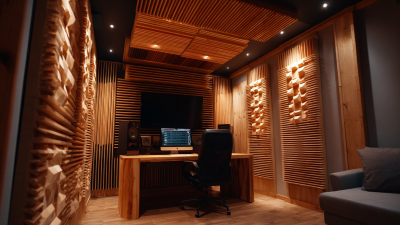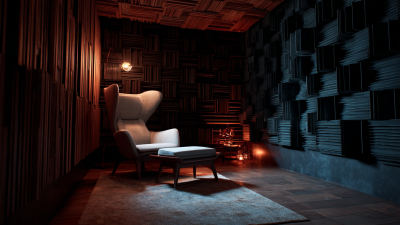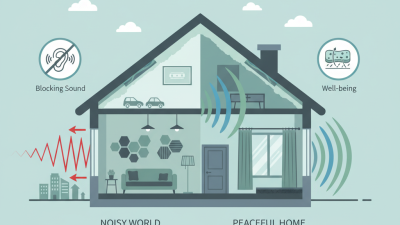

Choosing the right soundproof panels can be daunting. With so many options available, it can feel overwhelming. Soundproof panels are essential for controlling noise in various spaces. They help reduce unwanted sounds, offering a more peaceful environment.
Understanding your specific needs is crucial. Consider your space's size, type of noise, and aesthetic preferences. Not all soundproof panels are created equal. Some may be more effective in certain areas, while others might not meet your expectations.
Quality matters significantly. Research brands and read reviews to find reliable options. Look for panels that have demonstrated their effectiveness over time. Reflecting on these aspects will guide you toward the best choice. Soundproof panels should enhance your space, not complicate it. So take your time.
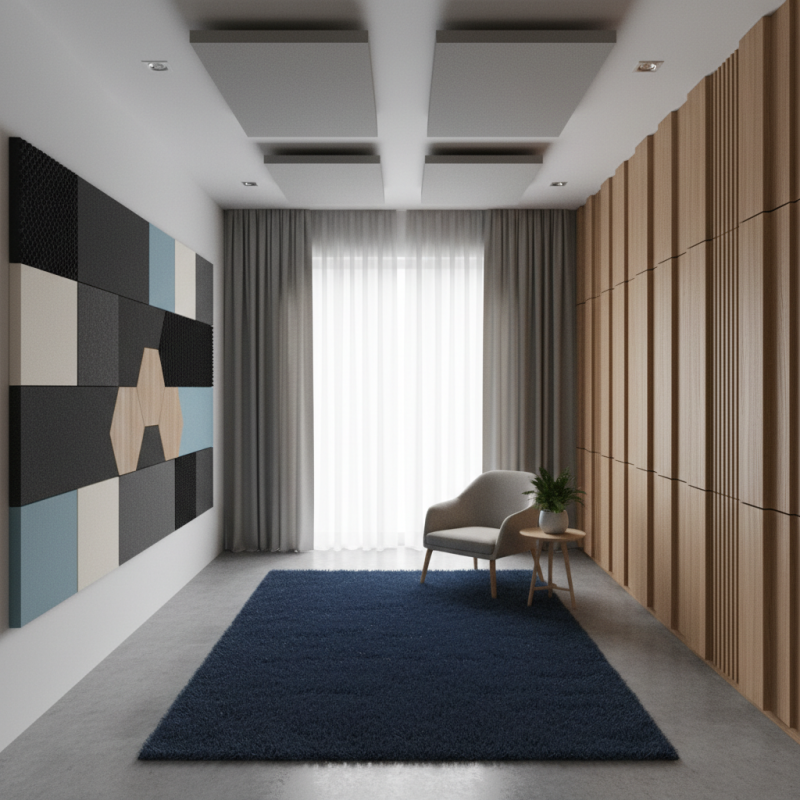
Soundproofing is becoming essential for both homes and commercial spaces. Noise pollution affects productivity, relaxation, and well-being. According to a 2021 report from the World Health Organization, noise exposure can lead to serious health issues like sleep disturbances and cardiovascular diseases. This highlights the importance of soundproofing as a way to create peaceful environments.
Using soundproof panels can significantly reduce noise transmission. A study published in the Journal of Acoustical Society of America found that high-quality acoustic panels can reduce sound by up to 50%. This results in a more tranquil atmosphere, whether you’re working, studying, or enjoying leisure time. Understanding noise types is crucial. Airborne noise travels through the air, while impact noise comes from vibrations. Choose panels that specifically address your noise issues for better results.
However, not all soundproof panels are effective. Some may not meet industry standards. It’s important to research products and their sound absorption ratings. Moreover, installation plays a vital role. Improperly installed panels can lead to reduced effectiveness. Take time to evaluate your space and sound challenges. This effort can lead to improved acoustics and a better quality of life.
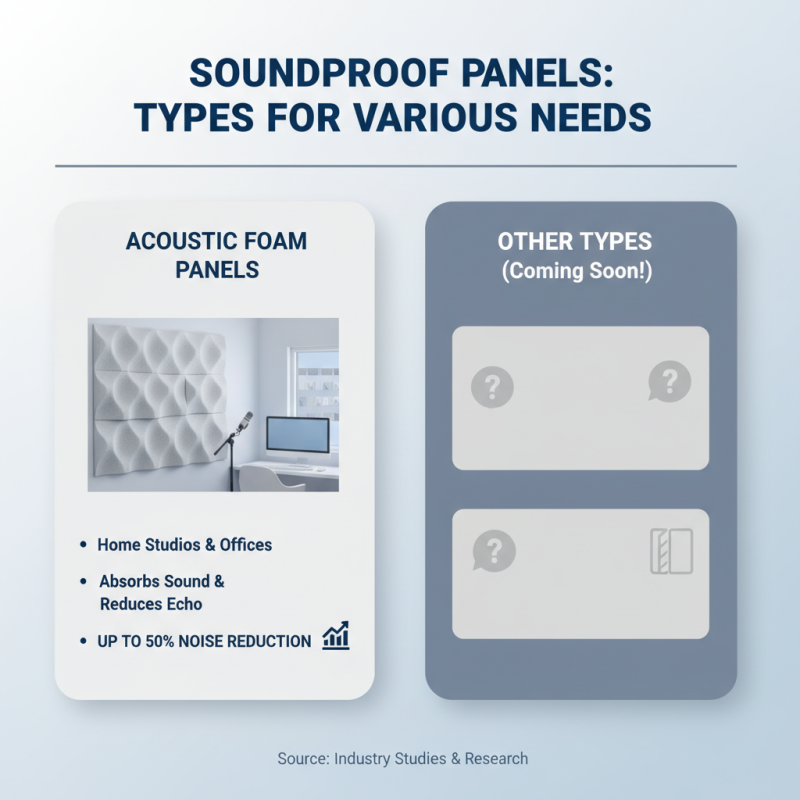
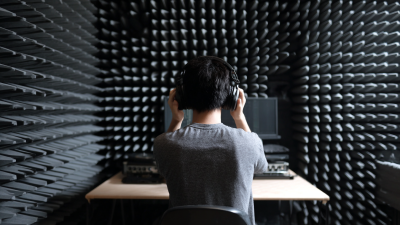
When choosing soundproof panels, understanding the types available is crucial. Acoustic foam panels are popular for home studios and offices. They absorb sound waves, reducing echo. Studies show that they can decrease noise levels by up to 50%, making spaces more comfortable for work and relaxation.
Another option is mass-loaded vinyl (MLV). These panels block sound transmission effectively and are ideal for walls and ceilings. According to industry reports, MLV can reduce sound transmission by up to 90%. This is especially useful in multi-family dwellings or recording studios where quiet is vital.
Here are some tips for selecting panels: Consider the room size and purpose. Larger rooms often need thicker panels for better sound absorption. Also, evaluate the panel's NRC rating; a higher rating indicates better sound absorption. Remember, not all materials provide the same results, so it's important to choose wisely. For spaces needing privacy, focus on denser materials. They may be heavier but offer superior sound-blocking capabilities.
When selecting soundproof panels, several factors warrant careful consideration. First, assess the material. Fiberglass and foam are common choices. Fiberglass panels offer excellent sound absorption. They can reduce noise by up to 85%, according to the Acoustical Society of America. Foam panels are lightweight but may need additional layers for optimal results.
Next, consider the thickness. Generally, thicker panels perform better at blocking low frequencies. Panels with varying thicknesses can target different sound frequencies. It’s essential to mix panel sizes for effective soundproofing. Many experts recommend a combination of panels, using 2-inch and 4-inch thicknesses.
Another crucial factor is the installation location. Wall placement can significantly influence sound absorption. Panels should be positioned at reflection points for maximum impact. A common mistake is neglecting corner placements, where bass tends to accumulate. The right placement minimizes sound bleed, enhancing the overall acoustic experience.
When installing soundproof panels, understanding the layout of your space is crucial. A key factor is identifying sound reflection points. According to a study by the Acoustical Society of America, placing panels at these points can reduce sound reflections by up to 50%. This significant reduction enhances the overall sound quality and effectiveness of your soundproofing efforts.
Proper placement of soundproof panels is essential. Keep panels off the corners and distribute them evenly across walls. Aiming for a coverage area of about 15-25% of the wall space is ideal for optimal performance. Many overlook the ceiling; it can also reflect sound. Hanging panels from the ceiling can greatly help in sound absorption, as recognized in numerous acoustic engineering reports.
Adhesive solutions or a professional installation can be beneficial. Each method has its pros and cons, and not every adhesive is effective in all environments. Improper adhesive choices can lead to panel removal and eventual damage to surfaces. Reflecting on these details can make the difference. Aim to evaluate your approach and adjust as necessary throughout the installation process.
Maintaining soundproof panels is crucial for their effectiveness and longevity. Regular cleaning is the first step. Dust and grime can accumulate, which diminishes sound absorption. Use a soft cloth or a vacuum with a brush attachment. Avoid harsh chemicals, as they can damage surfaces. A mild soap solution can help if needed.
Inspect your panels regularly for signs of wear. Look for tears or frayed edges. If you notice any damage, address it promptly. Smaller issues can often be repaired easily. Ignoring them can lead to more extensive problems. Also, check the mounting or adhesive that holds the panels in place to ensure they are still secure.
Placement matters, too. Avoid areas with direct sunlight for prolonged periods, as UV rays can wear down materials over time. Consider moving panels that are not performing well in their current spots. Experimenting with different arrangements may yield better soundproofing results and enhance the aesthetic appeal of your space. Soundproof panels need care to perform at their best.
| Panel Type | Material | Noise Reduction Rating (NRR) | Maintenance | Expected Longevity |
|---|---|---|---|---|
| Acoustic Foam Panels | Polyurethane | 0.5 - 1.0 | Wipe with a damp cloth, avoid direct sunlight | 5 - 10 years |
| Fabric Panels | Felt or Fabric Covered | 0.9 - 1.5 | Vacuum regularly, spot clean with fabric cleaner | 10 - 15 years |
| Wooden Sound Panels | Plywood or MDF | 1.0 - 2.0 | Dust with a soft cloth, polish occasionally | 20+ years |
| Mass Loaded Vinyl (MLV) | Vinyl Composite | 1.5 - 2.5 | Wipe with a damp cloth, ensure it’s sealed | 10 - 15 years |