

Please ensure Javascript is enabled for purposes of website accessibility

How to Choose the Best Residential Ultrasonic Water Meter?

Choosing the right Residential Ultrasonic Water Meter can seem daunting. With various models and features available, it's essential to understand your specific needs. These meters offer precise measurement of water usage, which can lead to better budgeting and water conservation.

When selecting a Residential Ultrasonic Water Meter, consider factors like size, installation, and compatibility with your plumbing. Some meters are more user-friendly, while others may require professional installation. Reading customer reviews can highlight what's essential and what pitfalls to avoid.

It's important to reflect on the experience of others. Sometimes, a product that appears perfect may not meet all expectations. Research widely; even small features can significantly impact your experience. By doing so, you ensure a reliable investment that provides accurate data for years.
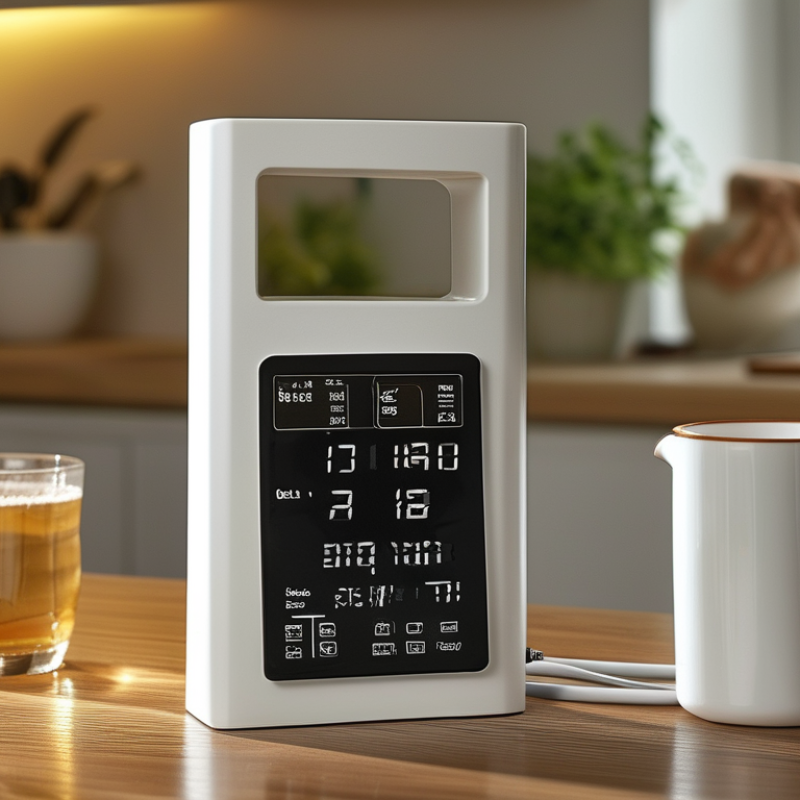
How to Choose the Best Residential Ultrasonic Water Meter?

Understanding Ultrasonic Water Meters: Technology and Operation Principles

Ultrasonic water meters have gained popularity for their accurate measurements of water flow. These devices operate using sound waves. The technology sends ultrasonic signals through the water. The time it takes for these signals to travel helps calculate the flow rate. This process is non-intrusive and does not rely on mechanical parts, reducing wear and tear.

Understanding ultrasonic technology is crucial for selecting the best meter. These meters use two transducers placed at a specific distance apart. When water flows, the speed of the sound waves is affected. If the flow is faster, sound travels more quickly. Conversely, slower flow results in slower signal transmission. This principle ensures precise readings, even in varying conditions. However, they can be influenced by temperature and other environmental factors.

Accurate installation and calibration are essential for reliability. Improper setup can lead to inaccurate results. Regular maintenance checks are also vital. Even the best technology requires occasional reflection on performance. Users might notice discrepancies if the meter is not maintained well. Understanding these nuances helps in making informed decisions. This knowledge ensures you choose a reliable ultrasonic water meter.

Key Factors in Choosing a Residential Ultrasonic Water Meter

When choosing a residential ultrasonic water meter, several key factors come into play. Accuracy is paramount. Ultrasonic water meters use sound waves, making them precise. They can measure low flow rates more accurately than traditional meters. This feature is significant for households with varying water usage patterns. Reliability is also essential. Look for meters with durable materials and proven performance. Meters should function well over time, reducing the need for frequent replacements.

Installation ease can impact your choice as well. Some meters come with user-friendly features that simplify setup. Homeowners often appreciate systems that integrate easily with existing plumbing. Another important aspect is data accessibility. Modern meters can offer real-time data on water usage. Enhanced visibility can help identify leaks or waste. However, some systems may have complex interfaces that require a learning curve.

Cost is frequently a decisive factor. While advanced ultrasonic meters may seem pricey, their long-term savings can outweigh initial expenses. Consider maintenance costs and potential water bill reductions. This evaluation can make the difference in your final decision. Balancing these factors may seem challenging. Each household has unique requirements, making it essential to reflect on your specific needs before making a purchase.

Comparison of Key Features in Residential Ultrasonic Water Meters

Comparative Analysis of Ultrasonic vs. Mechanical Water Meters

When considering water meters, understanding the differences between ultrasonic and mechanical options is essential. Ultrasonic water meters use sound waves to measure flow, providing higher accuracy and less wear over time. This technology allows for precise readings, even at lower flow rates. In contrast, mechanical meters rely on moving parts, which can create friction and affect accuracy. Their performance may degrade over years, especially in areas with fluctuating water pressure.

Moreover, the installation and maintenance of these two types can differ significantly. Ultrasonic meters often require less maintenance due to fewer moving parts. However, their initial cost may be higher. Mechanical meters, while potentially cheaper upfront, might need regular checks and replacements. Users often find choosing between them challenging. The decision can depend on the specifics of the water supply, such as pressure conditions and usage patterns.

Some users report frustrations with reliability. Mechanical meters can display unexpected results if dirt or debris impacts their internal mechanisms. While ultrasonic meters are more robust, no solution is perfect. Each has unique advantages and drawbacks. Reflecting on your usage needs can help clarify which meter truly fits your situation.

How to Choose the Best Residential Ultrasonic Water Meter? - Comparative Analysis of Ultrasonic vs. Mechanical Water Meters

Feature Ultrasonic Water Meter Mechanical Water Meter
Accuracy High accuracy (+/- 1%) Moderate accuracy (+/- 2% to 5%)
Measurement Range Wide range (min to max flow rates) Narrow range (specific flow rates)
Maintenance Low maintenance requirements Higher maintenance due to moving parts
Installation More flexible installation options Fixed installation orientation
Data Logging Can store historical data and usage patterns Limited to current readings
Cost Generally higher initial cost Lower initial cost
Durability Excellent durability and lifespan Less durable due to mechanical parts

Evaluating Accuracy and Measurement Range in Ultrasonic Water Meters

When selecting a residential ultrasonic water meter, it's crucial to evaluate its accuracy. Accurate measurements ensure you pay for what you actually use. Most meters have a specific measurement range. Knowing this range helps determine its effectiveness in various water usage scenarios. A meter with a narrow range may not perform well during peak demands.

Measurement range also influences overall reliability. If a meter can't handle high flow rates, it may generate misleading data. On the other hand, low flow rates may expose the meter's sensitivity limits. It's worth considering how your household uses water. Regular monitoring can reveal whether the meter meets your needs.

It's important to reflect on your experience with your current water meter. Consider instances when readings seemed off. These moments highlight the significance of investing in a reliable ultrasonic meter. Although many meters promise precision, not all deliver. Knowing what to look for can save you from pesky billing surprises.

Cost Considerations and ROI for Residential Ultrasonic Water Meters

When considering a residential ultrasonic water meter, cost is a crucial factor. Prices can vary widely based on features and technology. Investing in a high-quality meter may seem daunting upfront. However, the potential savings on water bills can justify the expense over time. Paying attention to installation costs is also necessary, as this can affect overall investment.

Return on investment (ROI) is another important aspect. An efficient water meter can lead to more accurate billing. This accuracy reduces overcharges, allowing homeowners to save money. The savings can accumulate significantly over several years. Additionally, some models may come with warranties or support services, which enhance their value.

While it is easy to focus solely on immediate costs, remember long-term benefits. Reflecting on personal water usage patterns can influence your decision. The right meter can provide data that helps in water conservation efforts. Missing out on these tools may result in higher costs and wasted resources. A thoughtful approach now can lead to savings in the future.