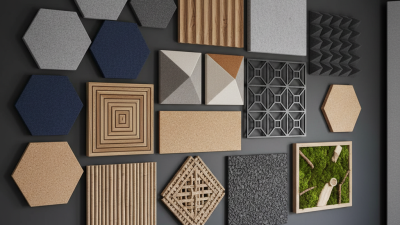

When it comes to transforming a space into a serene sanctuary, the importance of soundproofing cannot be overstated. Acoustic ceiling tiles have emerged as a popular solution for enhancing sound quality and minimizing noise transference, making them a key element in both residential and commercial environments. According to Dr. Emily Harrington, an acoustic design expert, "The right acoustic ceiling tiles not only absorb sound but also improve the overall aesthetics of a room." This highlights the dual role that these tiles play in modern design.
As you embark on the journey of selecting acoustic ceiling tiles for your space, it is essential to consider a range of factors that influence their effectiveness and compatibility with your environment. From material types and tile sizes to performance ratings and installation methods, the decision-making process can seem overwhelming. However, understanding key features and options available in the market can lead you to make informed choices that align with your specific soundproofing needs. Implementing these top 10 tips will ensure that you not only achieve superior sound control but also create the ideal ambiance for relaxation or productivity in your selected environment.
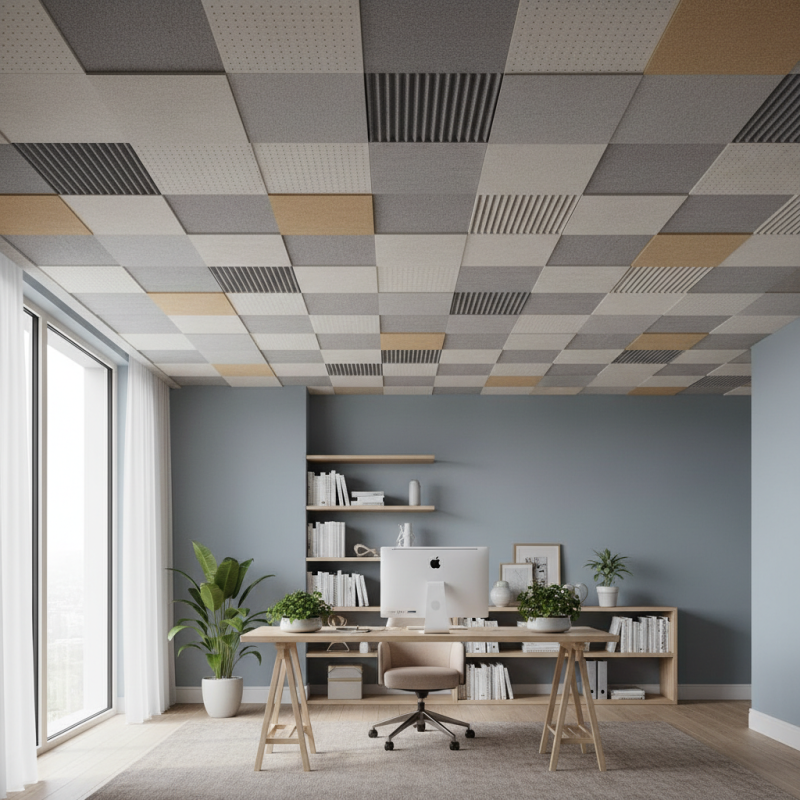
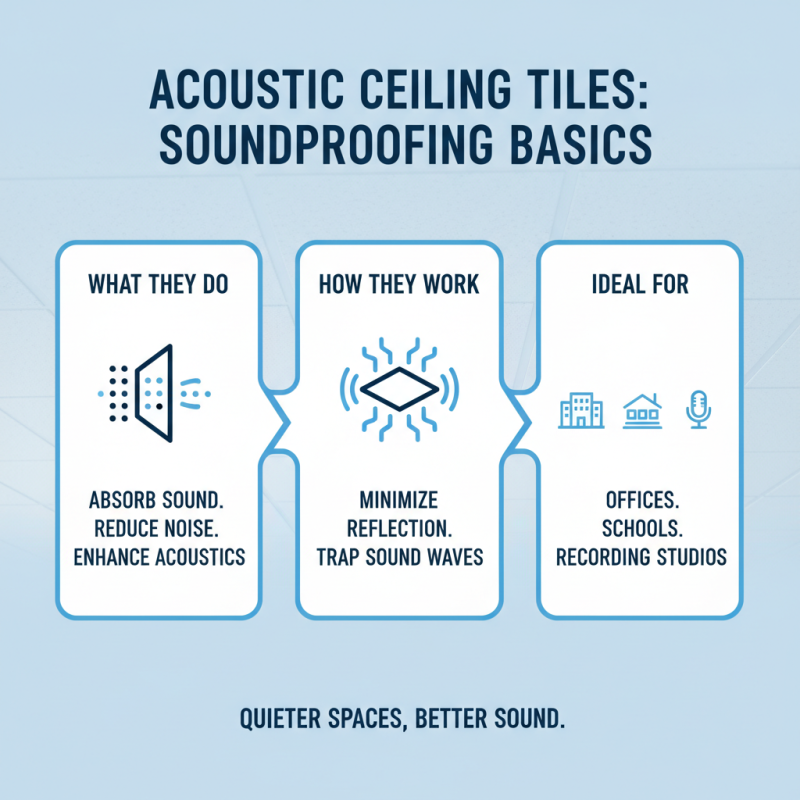
When considering soundproofing your space, understanding the basics of acoustic ceiling tiles is crucial. These tiles are designed to absorb sound, reducing noise bounce within a room and enhancing overall acoustic performance. They work by minimizing the sound waves that reflect off hard surfaces, making them an excellent choice for environments like offices, schools, and recording studios.
One key tip when selecting acoustic ceiling tiles is to look for materials with a high Noise Reduction Coefficient (NRC) rating. This rating indicates the tile's effectiveness in absorbing sound; the higher the NRC, the better it is at preventing noise from traveling. Additionally, consider the thickness and density of the tiles, as thicker tiles typically absorb a broader range of frequencies.
Another important factor is the aesthetic appeal of the tiles. Acoustic ceiling tiles come in various styles and colors, which can complement your existing interior design. Take into account how the tiles will integrate with other design elements in your space while still fulfilling their soundproofing purpose. Choosing tiles that blend well with your decor can enhance the visual appeal while providing the necessary acoustic benefits.
When selecting acoustic ceiling tiles, understanding the key factors that contribute to effective sound absorption is crucial for optimizing soundproofing in any space. One of the primary considerations is the material composition of the tiles. According to a report by the Acoustical Society of America, materials such as mineral fiber, fiberglass, and foam are highly effective in reducing noise levels. High-density fiberglass, for instance, can achieve a Noise Reduction Coefficient (NRC) of up to 0.95, indicating that 95% of sound waves that reach the surface are absorbed rather than reflected. This high level of absorption can significantly enhance the acoustic comfort in environments like offices, classrooms, and recording studios.
Another vital factor is the tile thickness and density, which directly affect its sound absorption capabilities. Research shows that thicker tiles generally provide better sound insulation. A study by the National Institute of Standards and Technology demonstrated that doubling the thickness of acoustic tiles can improve sound absorption performance by as much as 30%. Additionally, the arrangement and spacing of the tiles can also play a pivotal role; tiles installed with proper grid systems can optimize sound wave penetration and ensure uniform absorption across the ceiling. By carefully considering these key aspects, individuals can select the most effective acoustic ceiling tiles to significantly reduce noise and improve the overall acoustic environment of their space.
When selecting acoustic ceiling tiles for soundproofing, the material type plays a crucial role in determining both sound absorption and overall effectiveness. Common materials include mineral fiber, foam, and fiberglass, each with unique acoustical properties. According to the Acoustical Society of America, mineral fiber tiles, which utilize natural or synthetic fibers, can achieve Noise Reduction Coefficients (NRC) ranging from 0.40 to 0.90. This means they can absorb a significant portion of sound waves, making them suitable for spaces requiring moderate sound control, such as offices or classrooms.
Foam tiles, often composed of polyurethane or melamine, provide an adept alternative for environments needing superior sound absorption. Research presented by the Institute of Noise Control Engineering indicates that high-density foam can reach NRC values of 0.90 and above, making it highly effective in reducing echoes and unwanted noise in recording studios or home theaters. Furthermore, fiberglass panels, which are known for their durability and ultra-high NRC ratings, can be tailored to meet specific acoustic needs. The choice of material not only impacts sound performance but also plays a significant role in fire safety and aesthetic appeal, making careful evaluation essential for effective soundproofing solutions.
When selecting acoustic ceiling tiles, it is vital to balance both aesthetic and functional aspects to achieve an optimal soundproofing solution. According to the National Institute of Building Sciences, appropriate ceiling tiles can reduce sound transmission by up to 90%, making them an essential consideration in noise-sensitive environments such as offices, schools, and recording studios. When evaluating tiles, one should consider the Noise Reduction Coefficient (NRC), which measures how much sound is absorbed by the material. Tiles with an NRC rating above 0.70 are generally regarded as effective for sound attenuation, thereby enhancing acoustic comfort in a space.
Aesthetics are equally important in the selection process. The visual appeal of acoustic ceiling tiles can significantly impact the overall ambiance of a room. Studies show that well-designed spaces contribute to increased productivity and well-being for occupants. With a wide array of colors, patterns, and textures available, one can find tiles that not only fit within the desired design theme but also complement architectural elements. Engaging in this thoughtful selection process ensures that the ceiling tiles not only serve their functional purpose of soundproofing but also enhance the aesthetic value of the environment. Thus, the dual focus on functionality and aesthetic appeal is critical in making an informed choice that aligns with personal and professional standards.
| Tip Number | Tip | Considerations | Aesthetic Impact | Functional Impact |
|---|---|---|---|---|
| 1 | Assess Noise Levels | Determine the soundproofing level needed based on usage. | Can influence design choices, such as tile pattern. | Essential for effective sound control. |
| 2 | Material Selection | Choose between mineral fiber, fiberglass, or foam. | Different materials can create various looks. | Different materials absorb sound differently. |
| 3 | Tile Size and Shape | Consider standard sizes vs. custom shapes for design flexibility. | Impact the visual space and style. | Larger tiles may reduce joints and improve acoustics. |
| 4 | Ceiling Height | Determine how height affects sound absorption. | Affects perception of space. | Higher ceilings may require more acoustic treatment. |
| 5 | Acoustic Ratings | Look for NRC and CAC ratings for effectiveness. | May influence color choices if styled to match. | Essential for soundproofing evaluation. |
| 6 | Fire Resistance | Check fire ratings for safety requirements. | May limit aesthetic options if strict ratings are needed. | Safety comes first in design choices. |
| 7 | Installation Method | Choose between drop-in, glue-up, or other methods. | Can influence the overall ceiling appearance. | Can affect sound isolation efficiency. |
| 8 | Maintenance Requirements | Consider ease of cleaning and durability. | Certain finishes may offer more options. | Long-lasting tiles reduce replacement frequency. |
| 9 | Acoustic vs. Aesthetic Balance | Decide the priority between soundproofing and aesthetics. | Visual identity versus sound control needs. | Finding the right balance is key. |
| 10 | Professional Consultation | Seek advice from acoustical engineers. | Can lead to more innovative design solutions. | Expert insights enhance effectiveness. |
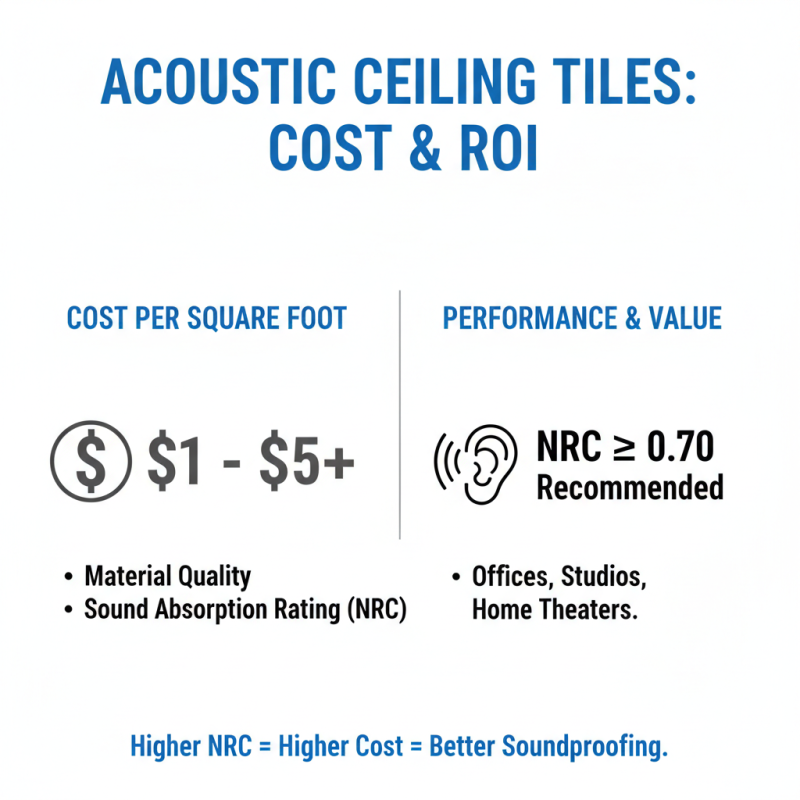
When considering acoustic ceiling tiles for soundproofing, calculating costs and installation requirements is essential to ensure your investment meets your specific needs. Acoustic ceilings can range significantly in price, often falling between $1 and $5 per square foot, depending on material quality and sound absorption ratings. According to industry reports, tiles with a Noise Reduction Coefficient (NRC) of 0.70 or higher are recommended for spaces that require effective sound dampening, such as offices, recording studios, and home theaters. This sound absorption capability directly impacts overall costs, as higher-rated tiles typically command a premium.
When planning for installation, consider whether it will be a DIY project or require professional assistance. While a DIY approach can save money, the complexities involved in installing ceiling tiles correctly can lead to additional costs if mistakes are made. For effective installation, ensuring you have the right tools and materials is essential. Additionally, it's crucial to assess the space’s current acoustics and any necessary structural adjustments. A well-prepared installation can enhance the performance of your acoustic ceiling tiles significantly.
Tip: Always request samples of the ceiling tiles before making a bulk purchase. Evaluating the tiles in your space can provide insight into their aesthetic appeal and sound absorption effectiveness. Furthermore, calculate the total area you wish to cover to avoid over- or under-purchasing, ensuring a smooth installation process.