
Please ensure Javascript is enabled for purposes of website accessibility

2025 How to Choose the Best Acoustic Panels for Your Soundproofing Needs

When it comes to soundproofing, the choice of materials can significantly affect the acoustic quality of a space. One of the most effective solutions available are Acoustic Panels. According to renowned acoustic expert Dr. Robert S. Smith, "Selecting the right acoustic panels is crucial not only for sound control but also for enhancing the overall aesthetic of the environment."

As individuals and businesses alike seek to create more serene and focused spaces, understanding how to choose the best Acoustic Panels tailored to specific needs has never been more important.

In this journey to optimal soundproofing, various factors come into play, including the type of material, thickness, and design of the Acoustic Panels. These elements not only contribute to noise absorption but also play a role in the panel's visual appeal. Whether you're a musician looking to perfect the sound in your studio or a business owner aiming to improve the sound environment in your office, making an informed choice about Acoustic Panels can lead to significant improvements in sound quality and overall satisfaction.

As we explore the "Top 10" considerations for selecting Acoustic Panels in 2025, we will delve into expert insights, practical tips, and the latest trends in the industry. By doing so, we aim to equip you with the knowledge needed to make sound decisions for your soundproofing needs.
2025 How to Choose the Best Acoustic Panels for Your Soundproofing Needs

Understanding Your Soundproofing Needs and Goals

When choosing the best acoustic panels for soundproofing, it's crucial to first understand your specific needs and goals. Whether you’re working from home, recording music, or simply trying to reduce noise distractions, identifying the primary source of sound interference will guide you in selecting the appropriate materials. For instance, if you're dealing with external noise from traffic or neighbors, thicker panels or those made from more absorbent materials may be necessary.

As the acoustic panel market continues to grow, expected to rise to USD 24.2 billion by 2034, it’s essential to consider factors such as material composition, density, and design. Different acoustic panels can effectively address varying soundproofing challenges, from managing echoes in a home studio to creating a quieter work environment amidst bustling household activities. By assessing your individual soundproofing goals, whether it's to enhance audio quality for streaming or to simply enjoy a peaceful atmosphere, you can make an informed decision on the best acoustic panels tailored to your needs.
Types of Acoustic Panels: Foam, Fabric, and More

2025 How to Choose the Best Acoustic Panels for Your Soundproofing Needs

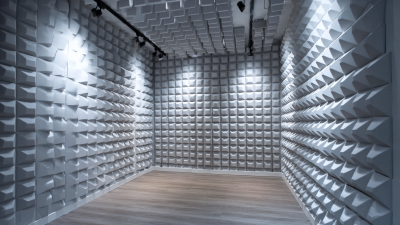
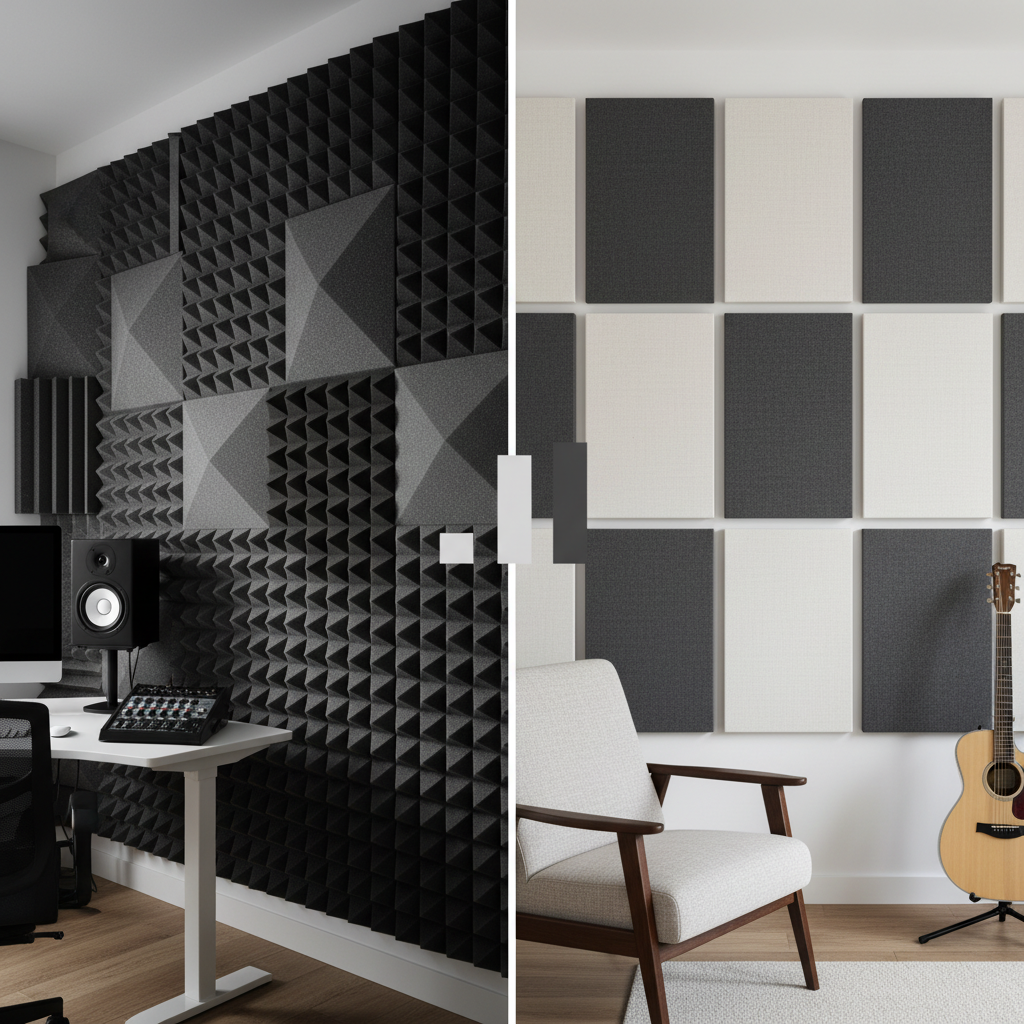
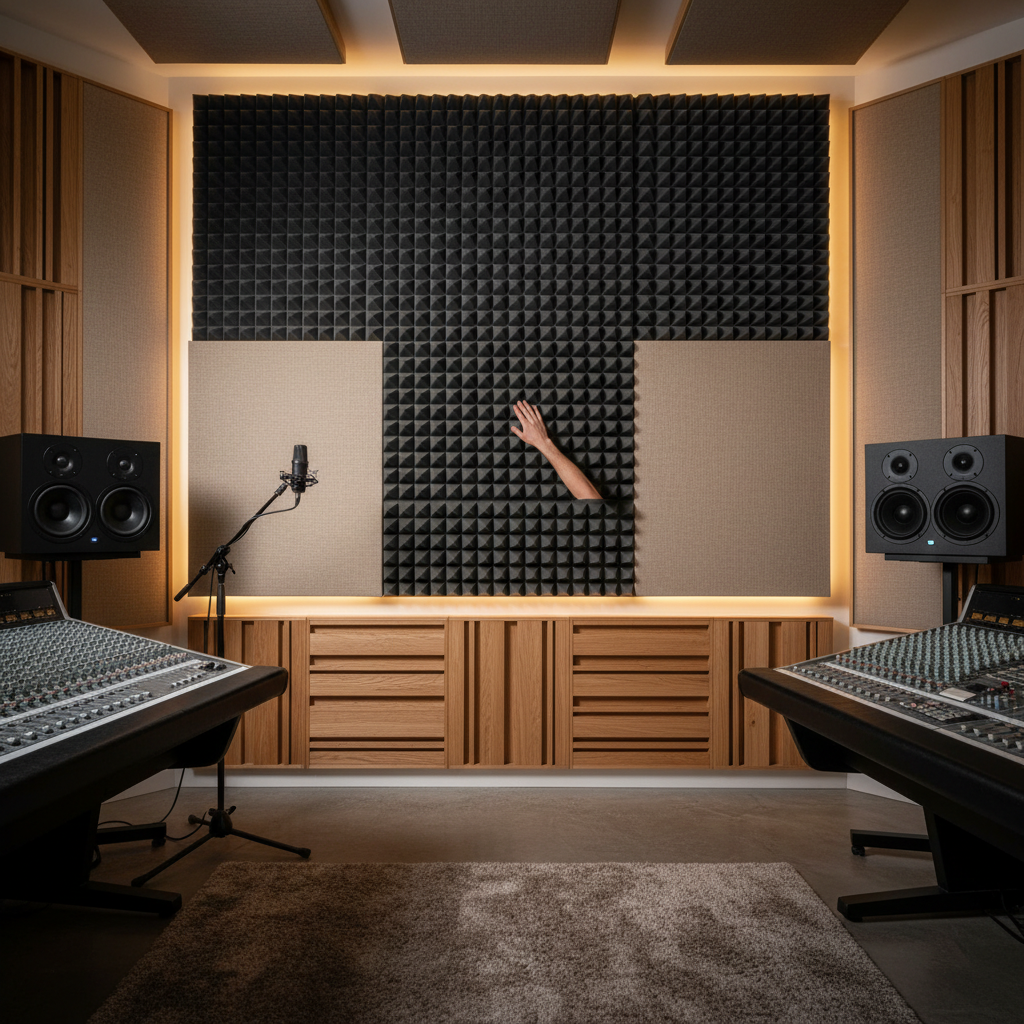
When it comes to soundproofing, the type of acoustic panel you choose can significantly impact the effectiveness of your noise reduction efforts. Among the most popular options are foam and fabric acoustic panels. According to a report by the Acoustical Society of America, foam panels are widely used due to their cost-effectiveness and ease of installation. They come in various densities and shapes, which can absorb sound waves and reduce echo in a variety of spaces. Typically, high-density foam panels can absorb up to 85% of airborne noise, making them a reliable choice for home studios and entertainment rooms.

On the other hand, fabric acoustic panels not only provide superior sound absorption but also offer aesthetic benefits. A 2022 study by the International Institute of Noise Control Engineering indicated that fabric-covered panels can reduce sound reflections in a room by as much as 95%, creating a more pleasant auditory environment. These panels can be custom-designed to match the decor of any space, making them suitable for offices, commercial settings, and residential homes alike. Depending on your specific soundproofing needs and design preferences, selecting the right type of acoustic panel can enhance both functionality and style in your environment.

Factors to Consider When Choosing Acoustic Panels

2025 How to Choose the Best Acoustic Panels for Your Soundproofing Needs

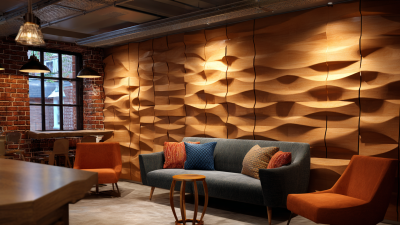
When selecting acoustic panels for your soundproofing needs, several key factors should guide your decision. First, consider the material of the panels. Common options include foam, fabric-wrapped, and wood, each offering various levels of sound absorption. For instance, according to a report by the Acoustical Society of America, high-density foam can absorb up to 95% of sound waves in certain frequencies, making it an effective choice for music studios and home theaters.

Another crucial aspect is the panel's thickness and size. Thicker panels tend to provide better sound insulation, especially in lower frequencies. A panel that is at least 2 inches thick can significantly improve acoustic performance, as noted in a study published by Sound & Vibration magazine. Additionally, strategically placing these panels at reflection points will enhance their effectiveness.

Tips:

  • Measure your space before purchasing to ensure you choose the right size panels.
  • Look for panels with a high NRC rating; an NRC of 0.7 or higher is typically recommended for effective soundproofing.
  • Consider combining absorptive panels with diffusive elements to create a balanced acoustic environment.

Placement Strategies for Maximum Sound Absorption

When selecting acoustic panels for optimal soundproofing, strategic placement plays a critical role in maximizing sound absorption. To begin with, identifying the primary sources of sound within the room is essential. For instance, placing panels directly on walls opposite those sources can significantly reduce echo and improve clarity. Ideally, panels should be positioned at ear level when seated, ensuring that sound waves are effectively absorbed rather than reflected back into the space.

Additionally, corners often amplify sound, making them prime locations for bass traps or thick acoustic panels. By treating these areas, you can diminish low-frequency issues that commonly disrupt sound quality. It is also beneficial to create an asymmetrical layout; this approach helps in disrupting sound waves and preventing them from bouncing back in a predictable pattern. Experimenting with different arrangements can lead to discovering the most effective setup for your specific environment, enhancing the overall acoustics of the space.

Budgeting for Acoustic Panels: Cost vs. Effectiveness

When selecting acoustic panels for soundproofing, one of the crucial factors to consider is the balance between cost and effectiveness. According to a report by the Acoustic Society of America, investing in quality acoustic treatments can significantly improve sound absorption, leading to a more controlled acoustic environment. For example, high-density foam panels, typically ranging from $25 to $75 each, are known to reduce noise levels by up to 85% in tested environments, providing excellent value for both personal and professional settings.

However, budgeting for acoustic panels requires a careful analysis. While high-end options like fabric-wrapped fiberglass panels might stretch budgets, they can yield superior sound quality improvement compared to cheaper alternatives. A study published in the Journal of Building Acoustics illustrated that environments treated with premium panels reported a 30% higher satisfaction rate regarding sound clarity and overall acoustic comfort. Thus, prioritizing effectiveness over initial costs can lead to long-term satisfaction and potentially lower overall expenditures in soundproofing needs.

Cost Comparison of Different Acoustic Panels

This chart displays the cost per square meter for various types of acoustic panels. It illustrates how different materials can impact your budgeting for soundproofing needs.