
Please ensure Javascript is enabled for purposes of website accessibility

Why Choose Sound Proof Foam for Your Acoustic Needs?

Choosing the right materials for acoustic treatment is crucial. One popular option is sound proof foam. This versatile product is known for its ability to reduce noise and enhance sound quality. If you’ve ever dealt with unwanted echoes or reverberation, you understand the importance of effective soundproofing.

Sound proof foam is specifically designed to absorb sound waves, making it an ideal choice for various environments. Whether you’re in a recording studio, an office, or a home theater, its benefits are clear. This foam helps create a more enjoyable and focused auditory experience. However, not all soundproofing solutions are the same.

It's essential to consider factors like thickness and density when selecting sound proof foam. While many options are available, choosing the right one can be challenging. You may realize that simply adding foam isn't enough for every acoustic need. Reflecting on your space’s specific requirements is vital. Making informed choices ensures you achieve the best results.
Why Choose Sound Proof Foam for Your Acoustic Needs?

What is Sound Proof Foam and How Does It Work?

Sound proof foam is a specialized material designed to absorb sound and minimize noise. It works by reducing sound reflection and preventing echoes in various environments. The foam is crafted from high-density polyurethane or melamine, ensuring it can effectively dampen sound waves. When sound waves hit the surface, the foam disrupts their energy, transforming it into minimal sound transmission. This process significantly enhances the acoustic quality of a room.

In homes, studios, and offices, sound proof foam plays a critical role. It helps create quieter spaces, making them more comfortable and conducive to focus. While using foam, consider placement and thickness for optimal results. Many people underestimate the importance of proper installation. Inadequate coverage can lead to unintentional sound leaks and reduced efficiency. Thus, taking time to plan layout is essential.

It’s crucial to note that sound proof foam doesn't eliminate sound but rather transforms it. Some users find their expectations unmet, realizing that complete silence is unattainable. Understanding this limitation is key when seeking acoustic solutions. Even though foam is effective, it may require additional treatment for larger spaces. Experimenting with various types can lead to better sound control.

Why Choose Sound Proof Foam for Your Acoustic Needs?

Feature Description Benefit
Sound Absorption Specially designed to absorb sound waves. Reduces echo and improves audio quality in a room.
Fire Resistance Made from materials that meet fire safety standards. Adds a layer of safety in commercial and home installations.
Easy Installation Can be easily cut and mounted on walls or ceilings. Saves time and effort during setup.
Versatile Applications Applicable in studios, theaters, and home theaters. Enhances acoustics in a variety of environments.
Durability Long-lasting materials that withstand wear. Offers cost-effective soundproofing solutions over time.

Key Benefits of Using Sound Proof Foam for Acoustic Treatment

Why Choose Sound Proof Foam for Your Acoustic Needs?

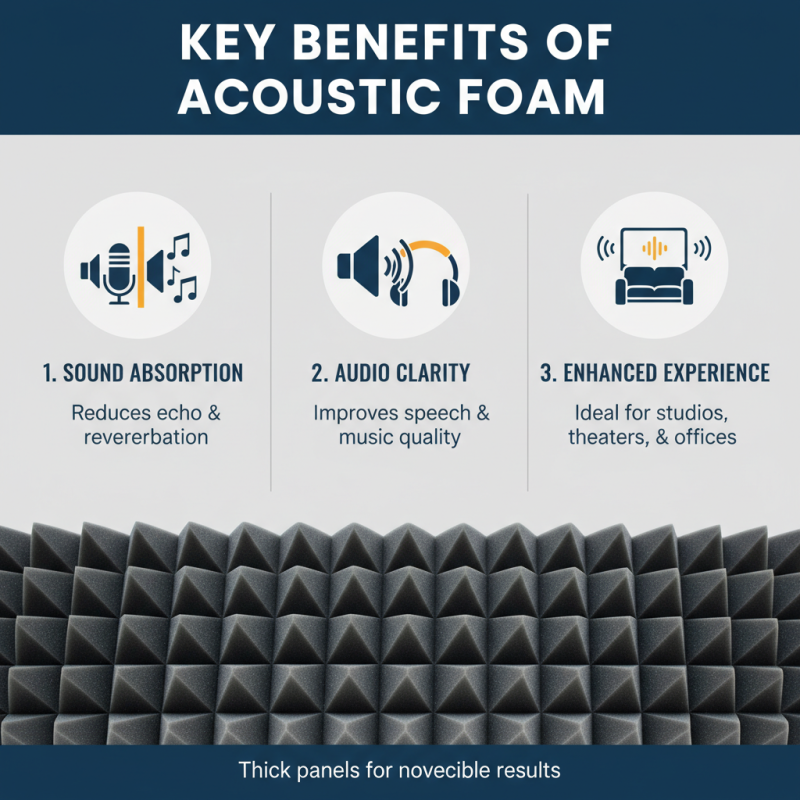
Sound proof foam is becoming a popular choice for acoustic treatment. This material offers several key benefits. Firstly, it effectively absorbs sound waves, reducing echo and improving sound clarity. This is essential in spaces where high-quality audio is needed, such as recording studios and home theaters. Thick foam panels can make a noticeable difference, creating a more enjoyable listening experience.

Another benefit is its versatility. Sound proof foam comes in various shapes and sizes, allowing easy installation in different environments. Whether it's a small room or a large hall, customized solutions are available. This adaptability makes it suitable for recording spaces, offices, and even residential areas. The aesthetic appeal of foam, available in various colors, also adds a pleasing visual element to any setting.

It's important to recognize potential limitations as well. Not every foam product will perform equally. Quality can vary widely, meaning thorough research is necessary. Some may have insufficient sound absorption properties. Consulting with acoustic professionals may help identify the best options. Experimenting with different placements and thicknesses can yield better results. A mindful approach is essential to optimize the benefits of sound proof foam for your unique acoustic needs.

Different Types of Sound Proof Foam Materials and Their Applications

Why Choose Sound Proof Foam for Your Acoustic Needs?

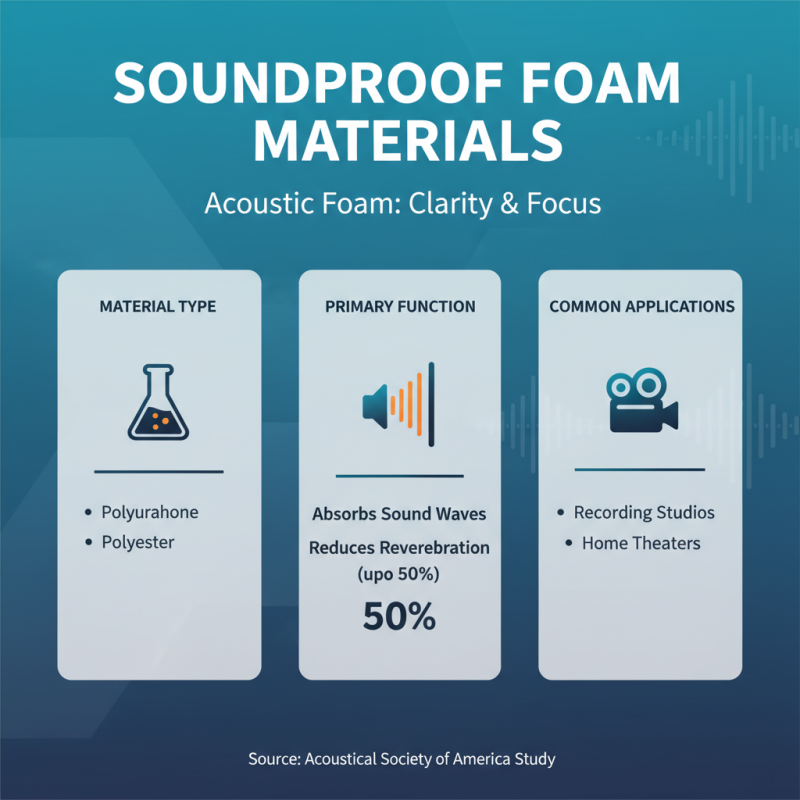
When considering soundproofing solutions, the type of foam material can greatly impact effectiveness. Acoustic foam, commonly made from polyurethane or polyester, helps absorb sound waves. It’s widely used in recording studios and home theaters. A study by the Acoustical Society of America indicates that acoustic foam can reduce sound reverberation by up to 50%. This makes it popular for spaces requiring clarity and focus.

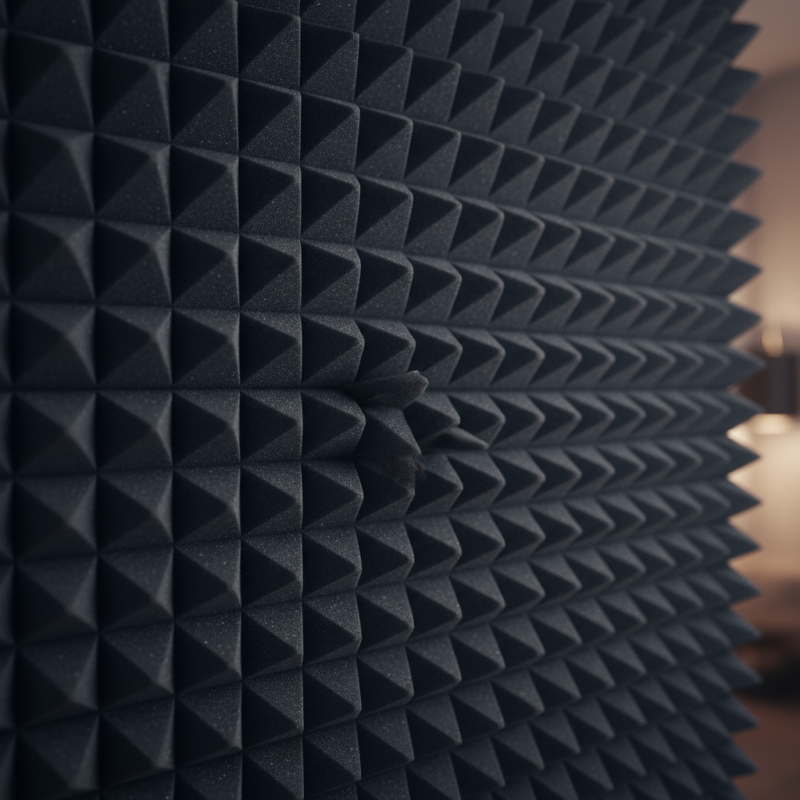
There are various types of soundproof foam available in the market. Open-cell foam is flexible and lightweight, making it suitable for residential use. Closed-cell foam provides greater density and is often used in industrial settings. Each type serves different purposes. For instance, wedge-shaped foam works well for corners, enhancing low-frequency absorption. Meanwhile, pyramid-shaped foam is effective for trapping high frequencies.

However, it’s essential to consider the limitations. Not all foam materials provide the same level of soundproofing. The thickness, density, and installation method can influence their performance. A report from the National Institute of Standards and Technology suggests that poorly installed foam may yield less than a 20% sound reduction. Proper installation is as critical as the material choice itself.

Installation Tips for Maximizing the Effectiveness of Sound Proof Foam

When installing soundproof foam, correct placement is crucial. Positioning foam panels in corners can help absorb low frequencies, which are often problematic. Use a tape measure to ensure symmetry across the walls. Misalignment can lead to unbalanced sound, creating areas of excessive echo.

Consider the height at which you install the foam as well. Placing panels at ear level is effective, but don't forget the ceiling. This area can reflect sound and create a distracting atmosphere. Use an adhesive that's appropriate for your wall surface. Improper adhesion can result in peeling over time.

It's important to test your space after installation. Listen carefully for lingering echoes or sound disturbances. You may need to adjust the placement of some panels.

Reflect on the materials you used. A more porous foam might offer better absorption than dense options. Remember to keep an open mind about the adjustments needed to find the perfect setup for your needs.

Comparing Sound Proof Foam with Other Acoustic Treatment Solutions

When considering acoustic treatment solutions, soundproof foam stands out for its effectiveness. It absorbs sound waves efficiently, reducing echo and enhancing clarity in a space. Other materials, like heavy curtains or carpets, may dampen noise, but they often lack complete absorption. This creates a lingering resonance that foam can eliminate.

Soundproof foam is lightweight and easy to install, making it suitable for various environments. Unlike certain rigid panels, foam can conform to different shapes and spaces, ensuring maximum coverage. However, one drawback is the potential for wear over time. While it performs well initially, regular exposure to sunlight or humidity may decrease its effectiveness. Regular checks are essential.

In comparison, traditional acoustic panels are more durable but heavier. They require a more complex installation process. Some users find this daunting. Ultimately, choosing the right method depends on your specific needs and environment. Balancing aesthetics and performance can be challenging, but exploring multiple options can lead to optimal sound quality. Understanding the pros and cons of each solution is key.