
Please ensure Javascript is enabled for purposes of website accessibility

Why Choose Sound Deadening Panels for Your Home and Office?

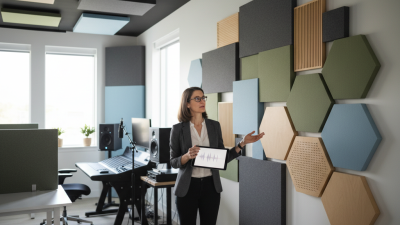
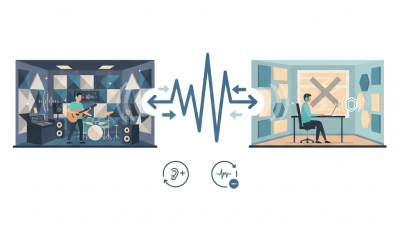
In today's busy world, noise pollution can damage our peace of mind. Whether at home or in the office, distractions are everywhere. This is where sound deadening panels come into play. They are effective in reducing unwanted noise. These panels absorb sound waves, creating a quieter environment.

Imagine working in a space free from the clamor of traffic or chatter. Your focus improves, and productivity increases. Similarly, at home, sound deadening panels can create a serene atmosphere. They help in enjoying a movie or having meaningful conversations without interruptions.

However, not everyone realizes the importance of sound deadening solutions. Some might overlook the need for quiet spaces. This could lead to stress and decreased quality of life. Reflecting on your environment can reveal much about your well-being. Investing in sound deadening panels may be one of the simplest yet most impactful changes you can make.
Why Choose Sound Deadening Panels for Your Home and Office?

Benefits of Sound Deadening Panels for Home Environments

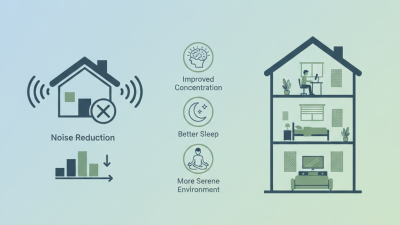
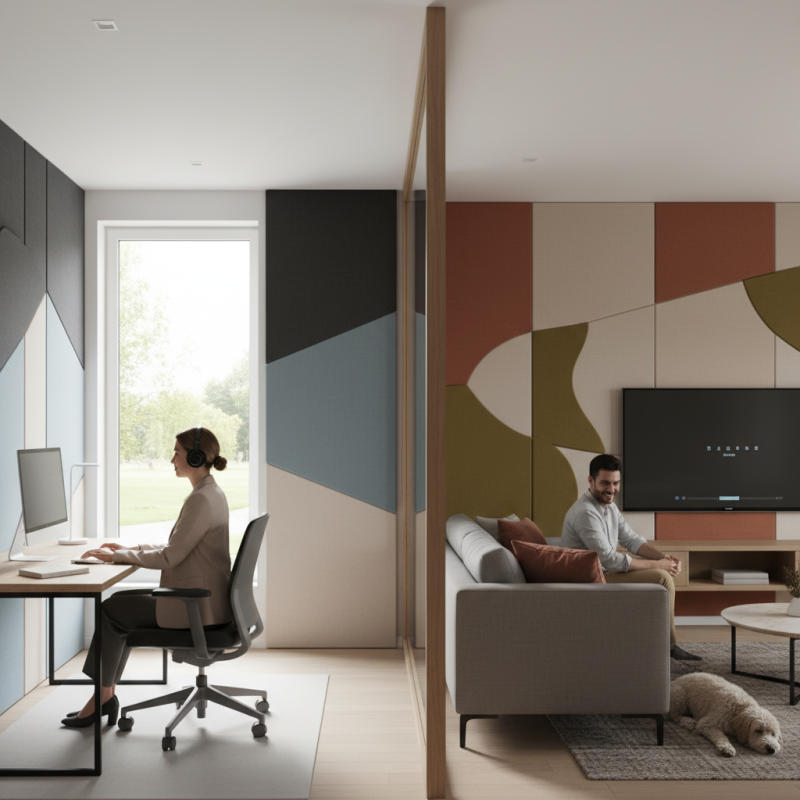
Sound deadening panels offer numerous benefits for home environments. Noise pollution affects millions. According to the World Health Organization, 30% of people report sleep disturbances due to environmental noise. These disturbances can lead to serious health issues. Sound deadening panels help to create a quieter space, improving overall well-being.

In addition to reducing noise, these panels enhance privacy. In open-plan homes, conversations can be overheard easily. A study published in Architectural Research indicates that sound absorption materials can reduce sound transmission up to 80%. This means more comfort in personal spaces. Imagine enjoying a movie without interruptions or having a peaceful work-from-home environment.

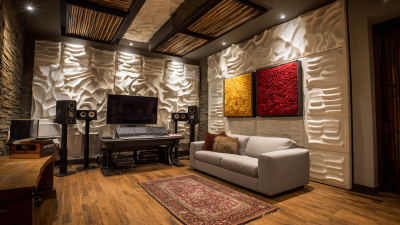
While the benefits are clear, some may find installation challenging. Panels may require professional help to ensure optimum performance. The aesthetic impact can also be a concern. Balancing function and design is essential. Using panels creatively can blend functionality with style, transforming a room's atmosphere. Choosing the right materials and placement is not always straightforward. Reflection on these aspects is crucial for successful implementation.
Applications of Sound Deadening Panels in Office Spaces

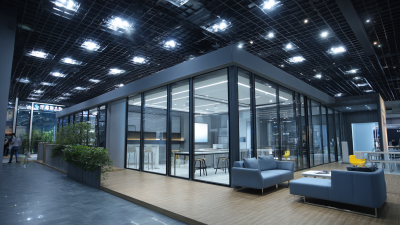
Sound deadening panels are a practical solution for office spaces. They significantly reduce background noise, allowing employees to focus better. In open-plan offices, distractions can be overwhelming. Sound deadening panels help create a quieter environment, improving overall productivity.


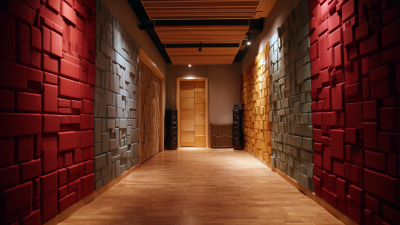
These panels can be applied in various ways. They can be installed on walls or ceilings, blending functionality with design. Some are even freestanding, adding flexibility to office layouts. Aesthetic choices are vast, with colors and textures available to match any decor. However, it’s important to place them thoughtfully; the wrong positioning may not yield the benefits one hopes for.


Things to consider include installation costs and maintenance. While installation might seem straightforward, it may require professional help for optimal results. Sound deadening panels can transform an office, but they aren’t a magical fix. Ongoing feedback from employees is crucial to assess their effectiveness.

Different Types of Sound Deadening Materials Available

Sound deadening materials come in various forms, each serving unique purposes. Acoustic panels are widely used in offices to reduce noise. They can lower sound levels by up to 50%, according to industry studies. These panels absorb sound waves, preventing them from bouncing off hard surfaces. This creates a quieter workspace, which enhances focus and productivity.

Mass-loaded vinyl is another effective option. It is dense and blocks sound between rooms. Users often report improvements in privacy levels. Research indicates that using mass-loaded vinyl can decrease sound transmission by 28-30 decibels. Meanwhile, other materials like foam tiles offer cost-effective solutions. They are lightweight and easy to install but may not be as effective in high-noise environments.

When choosing sound deadening panels, consider your specific needs. Not all materials perform equally across different settings. For instance, while foam might work in a small home studio, it may fall short in a bustling office. Balancing sound control with aesthetic preferences can also be tricky. Overly technical solutions may not fit every space's design or functionality. Making the right choice requires thorough consideration of sound needs versus environmental constraints.

Types of Sound Deadening Materials in Home and Office

Installation Methods for Effective Sound Proofing

Why Choose Sound Deadening Panels for Your Home and Office?

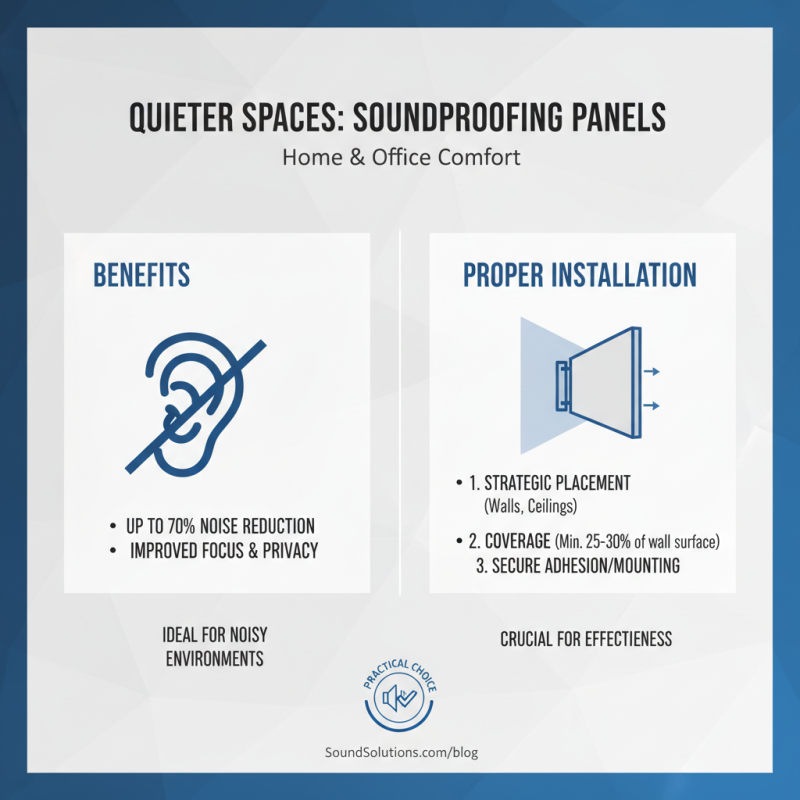
Installing sound deadening panels can be a practical choice for homes and offices. Proper installation methods are crucial for effective soundproofing. Research shows that the right installation can reduce noise levels by up to 70%. This data reflects significant benefits for those in noisy environments.

One effective method involves using adhesive for smooth surfaces. Ensure the surface is clean and dry to maximize the bond. An imperfect installation can lead to air gaps, which compromise sound proofing. A survey from the Acoustic Society indicates that 30% of users reported suboptimal performance due to improper application.

Another approach includes using furring strips for added space. This method allows the panels to float, minimizing sound transmission. However, it requires extra effort and precise measurements. Many DIY enthusiasts struggle with accuracy, leading to uneven results. It’s essential to double-check dimensions before cutting. Simple mistakes can lead to wasted materials and time.

Cost Considerations and Budgeting for Sound Deadening Solutions

Sound deadening panels can significantly enhance the acoustics of your home or office. However, the costs involved require careful planning. Professional reports indicate that soundproofing can range from $1,000 to $3,000, depending on the size of the area and the materials used. This variability in cost can be overwhelming, especially for those on a tight budget.

Many homeowners and businesses may underestimate the importance of sound insulation. It’s more than just aesthetics; noise pollution can lead to decreased productivity and health issues. A report by the World Health Organization highlights that noise can decrease performance by 40% in work environments. Therefore, investing in sound deadening panels is not just a choice but a necessity for a peaceful atmosphere.

Budgeting is essential when considering soundproofing solutions. It’s vital to assess which areas require soundproofing the most. Prioritize spaces that are consistently noisy. Be mindful that cheaper materials may also mean lower effectiveness. In some cases, poor choices can result in higher costs over time. Seeking expert advice can help in avoiding common pitfalls and ensuring the investment yields your desired results.