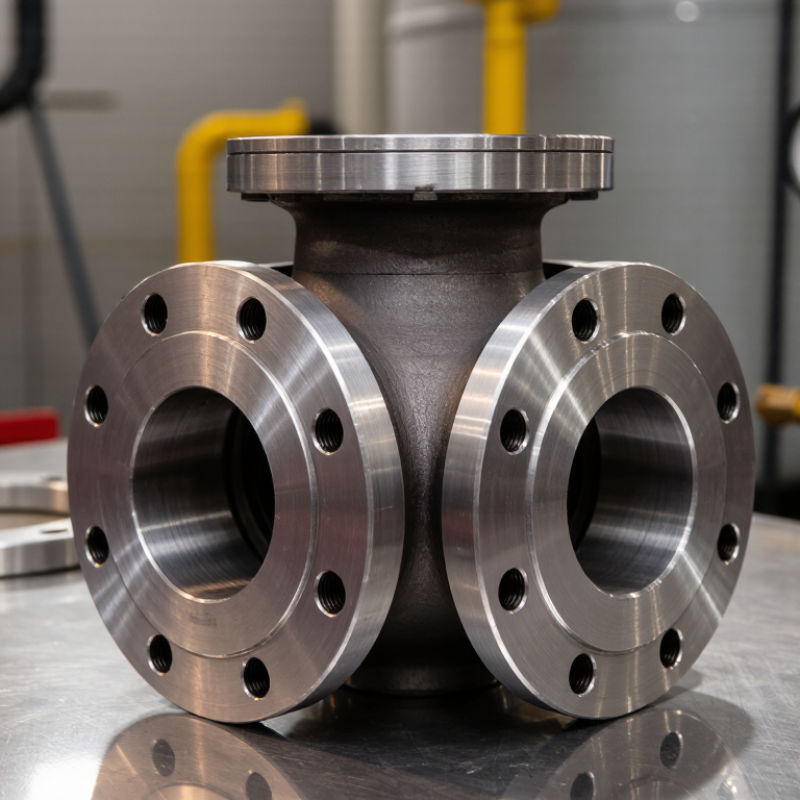
Why Choose A105 Valve Body for Industrial Applications?
When selecting a valve for demanding service, the body material deserves more than a quick glance at the price. An A105 Valve Body is made from forged carbon steel specified under ASTM A105, a material commonly used in pressure-containing components. Forging can provide a sound, robust structure for applications such as steam, oil, gas, and water systems. In a plant, that strength matters: valves may face pressure changes, vibration, and repeated operation across long shifts. Small details count.
Still, A105 is not a universal answer. Its suitability depends on pressure and temperature limits, fluid compatibility, valve design, and the manufacturer’s production controls. Carbon steel can require added protection in corrosive environments, and coatings do not replace proper material selection. Buyers should review material test reports, heat-treatment details where applicable, dimensional requirements, and inspection records. Ask how the valve will perform in your actual service conditions—not just whether the material appears on a specification sheet. That check is practical. It can also expose gaps in an early design. Choosing an A105 Valve Body can be a reliable, cost-conscious option, but only when the grade, construction, and testing match the system. A little caution is warranted. A familiar material is not automatically the right one.
What Is ASTM A105 Carbon Steel and How Is It Made?
ASTM A105 is a carbon steel forging specification for piping components used in pressure systems. It covers forged parts such as valve bodies, flanges, and fittings. The material is valued for strength, machinability, and dependable performance across many industrial services. It is not stainless steel, so it does not provide the same resistance to corrosion.
Production begins with steel made to controlled chemical and mechanical requirements. The steel is cast into a form such as a billet, then heated and shaped under compressive force. Forging can help produce a sound, consistent structure, but process control matters. After forging, components may receive heat treatment, depending on the product and specification requirements. A105N, for example, is normalized. The part is then machined, and relevant material tests and records help confirm it meets the required grade.
Tips: Check the material test report and heat number against the component. Confirm that the design temperature, pressure, and service conditions suit A105. For wet or corrosive environments, assess corrosion protection carefully. A small documentation mismatch can cause avoidable delays.
Which Mechanical Properties Suit A105 Valve Bodies?
A105 valve bodies are valued for strength, toughness, and machinability, but their mechanical performance depends on forging quality and heat treatment. ASTM A105/A105M specifies a minimum tensile strength of 485 MPa and a minimum yield strength of 250 MPa. It also sets a minimum elongation of 22% for a standard specimen, with specimen dimensions and product conditions affecting the applicable value. The standard caps Brinell hardness at 187 HB. These figures provide useful acceptance criteria, not a guarantee of performance in every service condition.
Yield strength matters when a body faces internal pressure and piping loads. Tensile strength helps indicate resistance to fracture, while elongation reflects the material’s ability to deform before breaking. That extra deformation can matter during pressure or temperature changes. A tensile pass alone is not enough. Review the material test report for actual results, heat-treatment condition, and traceability to the supplied forging. For a thick valve section, properties may vary through the part, so the test location matters. ASTM requirements should be checked against the edition named in the purchase specification. Even good numbers need context: operating temperature, wall thickness, and stress concentrations can change the practical margin.
Why Choose A105 Valve Body for Industrial Applications? — Mechanical Properties of ASTM A105
Property
ASTM A105 Requirement or Typical Reference
Why It Matters in a Valve Body
Tensile strength
Minimum 485 MPa (70 ksi)
Provides resistance to pulling loads and helps the forged body withstand pressure-related and piping loads when correctly designed.
Yield strength
Minimum 250 MPa (36 ksi)
Indicates the stress level at which permanent deformation begins; an important input for pressure-component design and material selection.
Elongation
Minimum depends on specimen orientation and test conditions; commonly 22% longitudinal or 14% transverse for the specified standard test basis
Measures ductility and the material’s capacity to deform before fracture. The applicable ASTM test specimen and requirements should be checked for the ordered forging.
Reduction of area
Minimum depends on specimen orientation and test conditions; commonly 30% longitudinal or 14% transverse for the specified standard test basis
Provides another measure of ductility, based on the reduction in cross-sectional area at fracture.
Hardness
Maximum 197 HBW under the commonly specified ASTM A105 limit
Hardness control helps verify material condition and can support machining and service assessments. It does not by itself establish pressure or wear performance.
Material form and manufacture
Carbon-steel forging specification for pressure components
Forging is suited to valve-body shapes and pressure-containing parts. The finished component’s quality depends on the forging, heat treatment, inspection, and applicable construction code.
Service-temperature considerations
Mechanical values above are room-temperature specification requirements; design allowable stresses vary with temperature and governing code
Confirm pressure-temperature ratings and design allowable stresses for the actual operating conditions. Low-temperature impact requirements may need separate specification and testing.
Corrosion considerations
Carbon steel; corrosion resistance depends on the process fluid, environment, and protection measures
A105 is not inherently corrosion-resistant stainless steel. Check compatibility with the fluid and consider coatings, corrosion allowance, or another material where required.
Note: Values are specification requirements or commonly referenced limits, not guaranteed properties for every finished valve body. Verify the applicable ASTM A105 edition, material test report, specimen orientation, heat treatment, and design code for the specific order and service.
How Does A105 Perform Across Industrial Conditions?
An A105 valve body is made from forged carbon steel and is widely used in industrial piping. Its performance depends on more than the material grade. Pressure, temperature, wall thickness, and valve design all matter. In a hot-water or steam line, the body must handle operating loads without exceeding its rated limits. A solid material choice helps. But it is not the whole story.
Across changing conditions, A105 offers useful strength and machinability. However, it does not resist corrosion like stainless steel. Moisture, chemicals, or salty surroundings may require protective coatings or another material. On a plant floor, small signs such as rust near a flange deserve attention. Low-temperature service also needs careful review, since impact toughness depends on the specification and conditions. Material selection can be less straightforward than it looks.
Tips: Confirm the pressure-temperature rating against actual operating data. Check the fluid, temperature swings, and corrosion exposure. Review inspection records, too. A detail can be missed. If service conditions are uncertain, ask a qualified engineer to verify the material and valve design before installation.
What Advantages Does A105 Offer for Valve Applications?
A105 valve bodies are commonly selected for demanding industrial service because the material is forged carbon steel with dependable strength. The forging process helps produce a dense body suited to pressure-containing components. In practical terms, this can mean a robust valve body around the bonnet joint, ports, and other stress-bearing areas. A105 is also machinable and can be welded when the application and procedures are properly assessed. That helps during fabrication and repair.
A useful advantage is its broad suitability for many general-purpose process systems, including applications with elevated temperatures. But the material grade alone does not confirm fitness for service. Operating pressure, temperature, fluid chemistry, wall thickness, and applicable design requirements all matter. One detail is easy to miss: strong carbon steel is not automatically corrosion-resistant. Where moisture or corrosive media are present, verify material compatibility and consider protective measures. Selection should be checked against the actual service conditions, not habit.
Tips: Confirm the valve’s pressure-temperature rating and material documentation before installation. Inspect sealing surfaces and connections for damage. A small mismatch in service conditions can matter. When corrosion risk is uncertain, ask a qualified materials or engineering specialist to review the application.
What Should Buyers Consider When Selecting an A105 Valve Body?
A105 forged carbon-steel valve bodies can suit demanding industrial service, but buyers should match the material to actual operating conditions. ASTM A105/A105M specifies minimum tensile strength of 485 MPa and yield strength of 250 MPa. These are material test requirements, not pressure ratings. Check the valve’s pressure class and temperature against the applicable ASME B16.34 pressure-temperature tables. A steam line and an ambient-water line may need different design margins. Check the actual duty.
Ask for the material test certificate, heat-number traceability, and records of required inspections. Confirm chemical composition, heat treatment, dimensions, end connections, and machining allowance against the purchase specification. A105 is carbon steel, not a corrosion-resistant alloy; assess the fluid, moisture, and corrosion allowance before approval. ASTM’s strength values alone cannot establish service life. It is easy to focus on pressure class and miss the fluid chemistry. That deserves a second look.
Why Choose an A105 Valve Body for Industrial Applications?
ASTM A105/A105M specifies minimum tensile strength of 485 MPa and minimum yield strength of 250 MPa for carbon-steel forgings. When selecting a valve body, also verify the required pressure class, operating temperature, fluid compatibility, applicable design standard, and any impact-testing requirements. These material strength values alone do not establish a valve’s pressure rating.