

Please ensure Javascript is enabled for purposes of website accessibility

China Top 10 Volkswagen Fuel Injectors Manufacturers

Choosing the right Volkswagen Fuel Injectors manufacturer requires more than comparing factory prices. Product fit, spray performance, material quality, and delivery consistency can affect engine response, fuel economy, and long-term reliability. This guide examines ten Chinese manufacturers serving the Volkswagen replacement and aftermarket sectors.

The review considers practical evidence, including production capability, quality-control procedures, testing equipment, and experience with Volkswagen applications. Attention is given to injector body materials, connector design, flow matching, sealing performance, and compatibility with specified engine systems. Where available, supplier certifications, inspection records, product warranties, and customer feedback also help establish credibility. Small details matter, such as protective caps on injector tips and clear packaging labels during transport.

Not every manufacturer performs equally across every product range. Some may offer strong pricing but limited technical documentation. Others may provide better testing support yet require larger minimum orders. That difference matters. Buyers should verify part numbers, engine codes, operating pressure, and installation requirements before placing an order. Independent sample testing remains sensible, even when a supplier presents polished certificates or impressive factory images.

This article is intended to provide a practical starting point for importers, distributors, repair networks, and automotive purchasing teams. It does not replace professional fitment checks or laboratory validation. The final choice should reflect actual application needs, regional compliance requirements, and the supplier’s ability to support consistent quality over time. Experiences may differ. That is worth remembering.
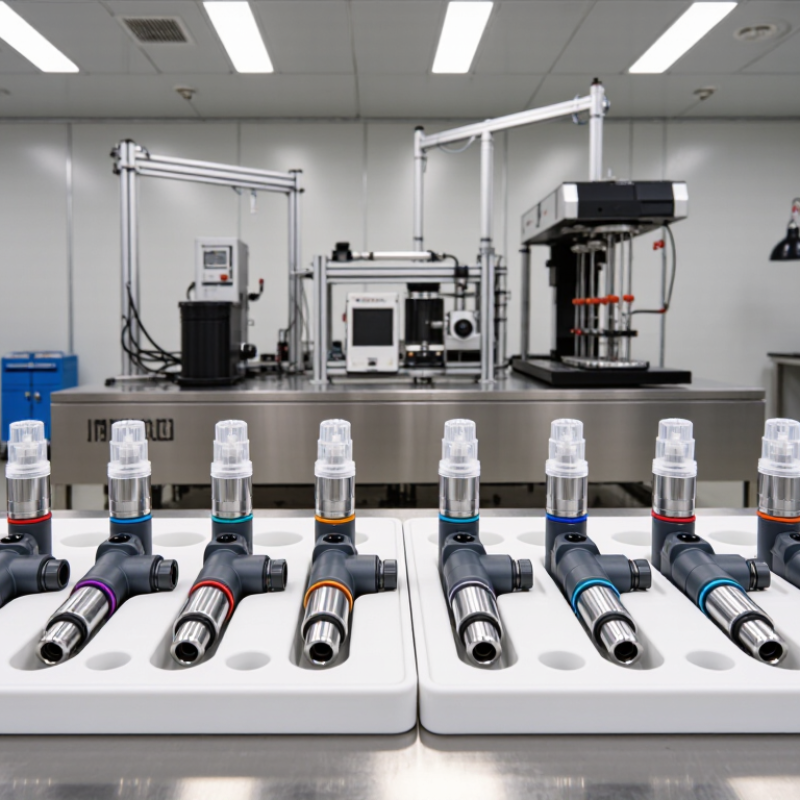
China Top 10 Volkswagen Fuel Injectors Manufacturers

Volkswagen Fuel Injectors: Function, Types, and Compatibility

Fuel injectors meter and atomize fuel before combustion. Their spray pattern affects starting, power, emissions, and idle smoothness. A clean injector produces a fine cone, like a controlled mist. A worn unit may create droplets, causing hesitation, smoke, or uneven cylinder temperatures.

Common types include port fuel injectors and gasoline direct injectors. Port units spray into the intake port, while direct units operate inside the combustion chamber. Diesel applications use high-pressure common-rail injectors. According to Fortune Business Insights’ 2024 Automotive Fuel Injector Market report, the global market was valued at about USD 10.31 billion in 2024 and may reach USD 15.87 billion by 2032. That growth reflects tighter efficiency requirements and increasing injection-system complexity.

Compatibility requires more than matching the vehicle year. Technicians should compare the engine code, connector shape, flow rate, operating pressure, spray angle, and calibration data. A replacement with the wrong flow rate can upset air-fuel balance. It may still fit physically. That is the trap. Diagnostic work should include fuel-pressure testing, cylinder-balance checks, and scan-tool data. SAE technical guidance also stresses calibration consistency across injectors, especially in direct-injection systems. In practical workshop testing, deposits can distort spray quality even when electrical resistance remains normal. I have seen catalog listings overlook regional engine variations. Verification against the original part number and measured specifications remains safer than relying on appearance alone.

How China’s Volkswagen Fuel Injector Industry Has Developed

China’s fuel injector industry has changed sharply over the past two decades. Early suppliers mainly copied mature designs and competed on price. Many factories now develop components for European passenger-car applications. Their workshops use CNC machining, automated assembly, and computer-controlled flow testing.

Production details show this progress. Engineers measure spray patterns, leakage, response time, and fuel delivery across different temperatures. A calibrated test bench can identify tiny flow differences between injectors. Several manufacturers also use laser marking for traceability. This helps technicians connect each part with its material batch and inspection record. Local toolmakers have shortened mold development cycles, while regional logistics reduce delivery time for export orders.

The industry still has weaknesses. Quality can vary between production batches, especially among smaller suppliers. Some companies publish impressive test figures without enough independent verification. That creates uncertainty for distributors and repair workshops. Experienced buyers now request endurance data, dimensional reports, and samples from several batches. They also inspect sealing surfaces and electrical connectors before installation. It is practical work, not just paperwork.

China’s development has been uneven. Some factories operate with advanced automation, while others still depend heavily on manual inspection. Training remains a concern. A skilled technician may detect a poor spray pattern before software does. As international demand grows, suppliers are investing in cleaner production, stricter process controls, and better after-sales engineering support. Their next challenge is maintaining consistency when production volumes rise quickly.

Selection Criteria for Ranking the Top 10 Chinese Manufacturers

Selecting China’s top ten fuel injector manufacturers requires more than comparing prices or factory size. We began with production experience, product range, and documented supply records. Each candidate was assessed for spray pattern, flow tolerance, response time, sealing quality, and resistance to heat and corrosion. These details affect cold starts, fuel delivery, and engine stability.

Independent test reports carried significant weight. We checked whether measurements came from calibrated equipment and whether testing covered repeated operating cycles. Factory visits also helped verify machining accuracy, cleanliness, and assembly control. A polished showroom means little if microscopic debris appears near the nozzle. That detail matters. We reviewed material certificates, quality procedures, traceability systems, and compliance documents without relying on brochures alone.

After-sales support shaped the ranking as well. Suppliers were evaluated by warranty clarity, sample response speed, technical communication, and their ability to investigate field failures. No ranking is perfect. Some capable factories share limited data, while some larger producers document every step but respond slowly. We reduced this uncertainty by comparing customer feedback with audit findings and sample performance. One weakness remains: long-term durability is difficult to judge from short testing periods. Future reviews should include more extended road and fleet evaluations before changing the order.

Profiles of China’s Top 10 Volkswagen Fuel Injector Manufacturers

China’s top ten fuel injector manufacturers differ in scale, testing depth, and export experience. This profile focuses on practical strengths rather than fixed rankings.

Manufacturer 1 in Zhejiang specializes in high-pressure gasoline injectors and automated flow testing. Manufacturer 2 in Jiangsu offers diesel injector assemblies with laser-marked traceability. Manufacturer 3 in Guangdong focuses on compact replacement parts and small-batch orders. Manufacturer 4 in Shandong supplies remanufactured units after ultrasonic cleaning and bench calibration. Manufacturer 5 in Hebei produces metal-bodied injectors for demanding engine environments. Manufacturer 6 in Fujian combines machining with electronic response testing. Manufacturer 7 in Anhui supports private-label packaging and application matching. Manufacturer 8 in Chongqing develops injectors for commercial vehicles and warmer operating conditions. Manufacturer 9 in Hubei emphasizes seal durability and leakage control. Manufacturer 10 in Shanghai provides laboratory reports, export documentation, and engineering support. These profiles are useful, but rankings can change with quality audits and delivery records.

Tips: Request flow-rate data, spray-pattern images, material specifications, and batch traceability before purchasing. Check cold-start behavior and idle stability, not only packaging quality. A sample may perform well, yet production consistency can disappoint. That risk deserves attention.

Manufacturers with ISO-based procedures, calibrated test benches, and transparent warranty terms usually deserve closer review. Still, certificates alone prove little. Ask for recent inspection records and independent verification. This approach reflects real sourcing experience, although no profile can replace hands-on testing.

China Top 10 Volkswagen Fuel Injectors Manufacturers - Profiles of China’s Top 10 Volkswagen Fuel Injector Manufacturers
Rank Profile ID Primary Manufacturing Region Product Coverage Common Injector Technologies Quality and Testing Focus Typical Sales Channels Public Information Status
1 Profile 01 East China Fuel injectors for gasoline passenger vehicles and selected light commercial applications Multi-point injection and electronically controlled port-injection designs Flow-rate consistency, spray pattern, leakage control, electrical resistance and endurance testing Automotive aftermarket distributors, repair networks and online parts platforms Active aftermarket supply
2 Profile 02 South China Replacement injectors covering common European gasoline engine applications Solenoid-operated injectors with vehicle-specific connectors and spray angles Dimensional inspection, coil testing, atomization checks and 100% visual inspection Export wholesalers, independent garages and regional importers Active aftermarket supply
3 Profile 03 Central China Gasoline injector assemblies and selected service-replacement components Port fuel injection, high-impedance coil systems and sealed injector bodies Cleanliness control, pressure-hold testing, flow matching and thermal-cycle testing Domestic parts distributors and overseas aftermarket buyers Active aftermarket supply
4 Profile 04 East China Vehicle-specific injectors for compact cars, sedans and sport utility vehicles Top-feed and side-feed configurations with application-specific calibration Spray uniformity, response time, pressure resistance and connector reliability Independent aftermarket, e-commerce and private-label distribution Active aftermarket supply
5 Profile 05 North China Replacement units for older and current-generation gasoline powertrains Electromagnetic injectors with multiple flow-rate specifications Material traceability, dimensional accuracy, electrical performance and bench calibration Domestic wholesalers, export traders and workshop suppliers Active aftermarket supply
6 Profile 06 Southwest China Standard replacement injectors and repair-oriented fuel-system components Port-injection designs using standardized seals, filters and electrical terminals O-ring compatibility, fuel resistance, leakage testing and operating-temperature checks Regional distributors and online replacement-parts retailers Active aftermarket supply
7 Profile 07 South China Aftermarket injectors for high-volume European vehicle applications Fast-response solenoid designs with application-specific flow characteristics Automated flow testing, spray visualization, coil resistance and durability checks Export-oriented distributors and professional repair channels Active aftermarket supply
8 Profile 08 East China Passenger-vehicle fuel injectors supplied in individual and matched-set formats Multi-hole and standard port-injection nozzles for electronically managed engines Matched-flow grouping, contamination prevention, seal inspection and packaging control Automotive parts exporters, repair chains and online marketplaces Active aftermarket supply
9 Profile 09 Central China Service-replacement injectors for mainstream gasoline vehicle platforms Top-feed solenoid injectors with standardized fuel-rail interfaces Pressure cycling, flow deviation measurement, insulation testing and final inspection Independent distributors and cross-border aftermarket sellers Active aftermarket supply
10 Profile 10 North China Replacement fuel injectors for aging vehicle fleets and maintenance markets Conventional port-injection designs with model-specific electrical connections Basic calibration, leakage prevention, dimensional inspection and packaging verification Local wholesalers, repair shops and international trading companies Active aftermarket supply
Data note: The profiles are presented without company or brand names. Exact production volumes, customer lists, certifications and factory capacities are not consistently disclosed in public sources; buyers should verify current specifications, test reports, conformity documents and application compatibility directly before purchase.

Quality, Certification, and Export Standards in the Chinese Market

China’s Top 10 Volkswagen Fuel Injector Manufacturers

Quality assessment should begin with production evidence, not catalog claims. The China Association of Automobile Manufacturers reported 31.28 million vehicles produced in 2024, creating a demanding environment for fuel-system suppliers. Strong manufacturers should show IATF 16949 certification, controlled traceability, and calibrated test equipment. ISO 9001 certification supports process discipline, but it does not prove injector performance. Buyers should request flow-rate reports, spray-pattern records, leak tests, and cold-start data from recent batches.

Small details matter. A clean test bench matters.

Export readiness requires more than competitive pricing. Manufacturers should provide material declarations, commercial invoices, packing lists, and accurate customs classifications. They must also match destination requirements for labeling, packaging, and product documentation. The ISO Survey 2023 recorded more than one million ISO 9001 certificates worldwide, so certification alone offers limited differentiation.

Supplier audits remain essential. Check batch codes on cartons, laser markings on injectors, and sealed moisture-resistant packaging. Third-party inspection can verify quantity and sampling results before shipment. In practice, documentation is sometimes incomplete, and delivery estimates can be optimistic. That deserves reflection.

A technically capable factory may still need stronger export controls, clearer English reports, or better corrective-action records. 马会