Best Tips for Choosing Sound Absorbing Wall Panels?
Sound absorbing wall panels play a crucial role in modern interior design. They enhance acoustics while providing aesthetic value. According to Dr. Emily Carter, a renowned acoustics expert, "Choosing the right sound absorbing wall panels can transform the ambiance of any space." This statement highlights the importance of thoughtful selection.
When selecting sound absorbing wall panels, consider the material and thickness. Different materials absorb sound differently. For example, fabric-covered panels may offer various styles. A thicker panel usually provides better sound absorption. However, aesthetic choices might limit some options.
It's also essential to reflect on the panel's placement. Even the best sound absorbing wall panels can underperform if not strategically positioned. Experiment with different locations before finalizing your choice. By paying attention to these details, you can create an environment that genuinely meets your needs.
Factors to Consider When Selecting Sound Absorbing Wall Panels
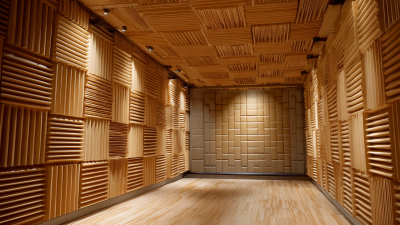
When selecting sound absorbing wall panels, there are several key factors to keep in mind. Material choice plays a crucial role. Panels made from fiberglass or foam tend to absorb more sound effectively. You might also consider wood, which can provide a warm aesthetic while still offering decent absorption.
Room size and layout should not be overlooked. In larger spaces, more panels may be needed to achieve the desired sound quality. For smaller rooms, strategically placed panels can create a balance without overwhelming the space. Think about the thickness of the panels as well. Thicker options generally absorb lower frequencies better, which can be vital in certain environments.
Finally, take a moment to reflect on your specific needs. Will the panels be for a home studio, office, or a public space? Each setting has unique requirements. Testing samples when possible can provide insight. The decision-making process can feel overwhelming, but taking the time to research and evaluate options helps ensure a well-thought-out choice.
Understanding Noise Reduction Coefficient (NRC) Ratings for Panels
Understanding the Noise Reduction Coefficient (NRC) ratings for sound absorbing wall panels is crucial. NRC measures a panel’s sound absorption ability, ranging from 0 to 1. A rating of 0 means no sound absorption, while 1 signifies complete absorption of sound. Research indicates that panels with an NRC of 0.75 or higher are considered effective for most environments.
When choosing panels, consider the specific needs of your space. Higher NRC panels are preferable for large rooms with hard surfaces. If your room has furniture or carpets, you might not need the highest ratings. Pay attention to thickness and density; denser materials often yield better sound absorption.
Placement is essential in achieving optimal noise control. Install panels on walls facing noise sources. Different shapes and textures can enhance aesthetics while providing functionality. Regular assessments of the room’s acoustics can reveal if adjustments are necessary. It’s vital to evaluate both the panel material and its NRC rating for the best results.
Materials Commonly Used in Sound Absorbing Wall Panels and Their Efficiency
When selecting sound absorbing wall panels, understanding the materials used is crucial. Common options include foam, fabric-wrapped products, and wood. Foam panels are lightweight and cost-effective. They work well in home studios or small offices. However, they may not provide sufficient durability in high-traffic areas.
Fabric-wrapped panels combine aesthetic appeal with functionality. They come in various colors and textures, enhancing interior designs while reducing echo. Often made with a resilient core, they may resist damage better than basic foam. But their installation can be more complex, requiring professional help.
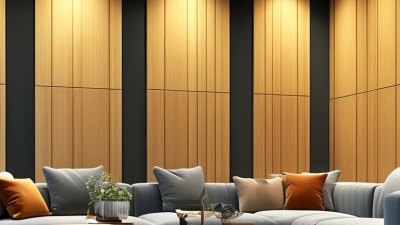
Wood panels offer a stylish touch and great acoustics. Their natural properties help absorb sound, making them ideal for larger spaces. Yet, the upfront cost can be higher. Maintenance can also be a concern due to potential scratching or warping. Overall, choosing the right material depends on the space, budget, and desired aesthetics. It's essential to weigh the pros and cons carefully.
Effectiveness of Different Sound Absorbing Wall Panel Materials
Design and Aesthetic Considerations for Acoustic Wall Panels
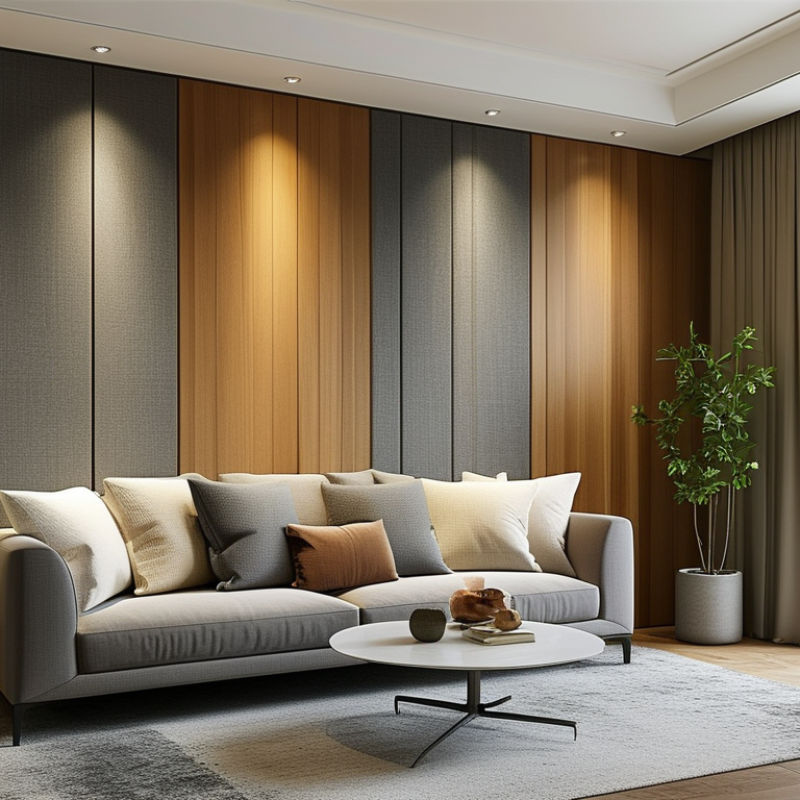
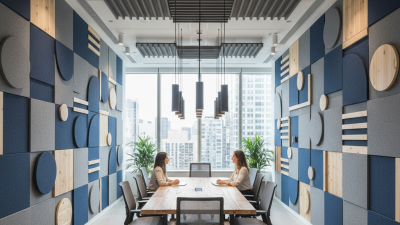
When choosing acoustic wall panels, aesthetics play a crucial role. The color and texture of the panels can significantly influence a room's ambiance. Soft, muted colors can create a calming environment, while bold, vibrant hues can energize a space. Consider the existing decor when selecting your panels. A cohesive look can tie the room together seamlessly, enhancing its overall appeal.
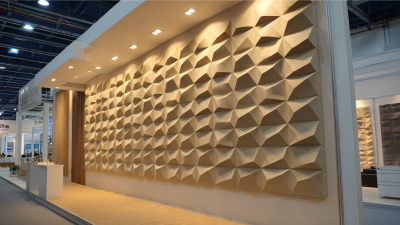
Texture also adds depth to the design. Panels with unique surface finishes can act as a visual focal point. 3D patterns can create shadows, making walls more dynamic. However, be cautious; too much texture can be overwhelming. Balancing smooth and textured surfaces is often the best approach. Remember that functionality and aesthetics should not be mutually exclusive.
Keep in mind the layout of the room. Too many panels clustered in one area might disrupt visual flow. Instead, spread them out evenly to encourage harmony. Reflect on the placement; functionality should drive decisions. Acoustic panels should be installed where sound absorption is most needed, not just where they look good. This compromise ensures that both acoustic performance and design quality shine through.
Installation Methods and Their Impact on Sound Absorption Performance
Choosing the right installation method for sound absorbing wall panels significantly impacts their performance. According to an industry report, panels installed with an air gap can enhance sound absorption by up to 50%. The gap allows sound waves to minimize bounce, leading to quieter environments. Understanding the room's acoustics is essential in selecting the appropriate method.
Different panel mounting systems yield varying results. For instance, wall-mounted panels may absorb mid to high frequencies better than ceiling-mounted options. Research shows that panels installed at a 45-degree angle can reduce echoes by up to 30%. This method encourages sound diffusion and can greatly improve overall sound quality in a room.
Consider the thickness of the panels as well. Thicker panels tend to absorb lower frequencies more effectively. A report from the National Institute of Standards and Technology highlights that panels exceeding 2 inches can significantly reduce bass disruptions. Proper measurement and strategic placement are crucial for maximizing sound absorption. Always assess your specific acoustic needs before making a final decision.