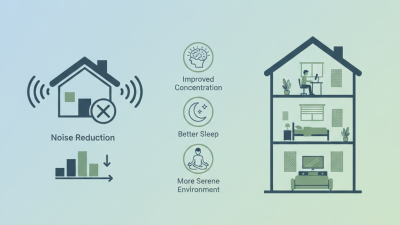

Creating a peaceful home environment is essential. Noise can disrupt our daily lives and affect our well-being. Sound Dampening Panels present an effective solution. These panels absorb sound, making spaces quieter.
Many homeowners seek ways to improve their living conditions. Excessive noise can cause stress and lower productivity. Choosing the right Sound Dampening Panels can significantly enhance comfort. Various materials and styles are available, catering to different aesthetics and budgets.
However, finding the best options can be challenging. Not all panels perform equally well. Some may not fit your specific needs. Reflecting on the purpose of the panels is crucial. Are they for a home theater, nursery, or an office? Understanding your space will guide your selection.

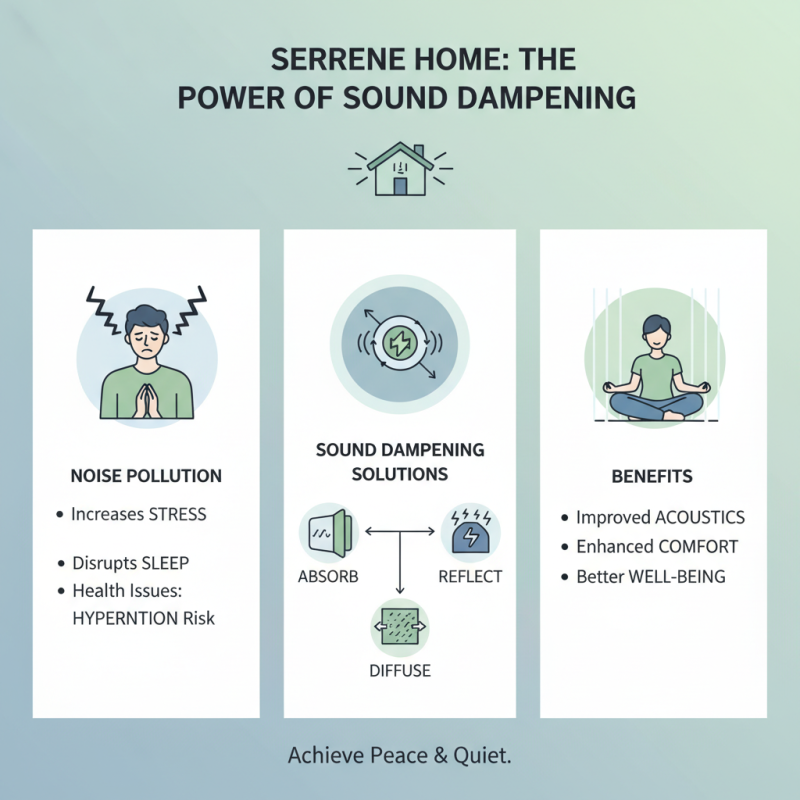
Sound dampening panels play a crucial role in creating a serene home environment. Noise pollution can increase stress and disrupt sleep. Research shows that exposure to high noise levels can lead to health issues, like hypertension. An effective sound dampening solution can absorb, reflect, or diffuse sound energy. This is essential for better acoustics and overall comfort.
Installing sound dampening panels can reduce noise levels by up to 50%. Certain materials are designed to absorb sound efficiently, such as foam and fabric-covered panels. The key is to place them in high-traffic or noisy areas. This action will help create a more peaceful atmosphere. However, some people may feel overwhelmed by the options available. It's important to assess your specific needs before making a choice.
Tip: Evaluate your space for noise sources. If you live near a busy street, consider thicker panels for better insulation.
Another consideration is aesthetics. Many sound dampening panels come in various colors and designs. This allows for blending them into your home decor. Yet, while aesthetics are essential, they shouldn't overshadow functionality. Quality should remain a priority.
Tip: Balance style and effectiveness. Choose panels that match your home while still offering good sound absorption.
When it comes to creating a quieter home, sound dampening materials play a key role. Many options suit different needs. Foam panels are common. They are lightweight and easy to install. They work well in recording studios or home theaters. Acoustic panels, on the other hand, offer more appealing designs. These come in various colors and shapes to fit any decor. They absorb sound waves effectively.
Mass-loaded vinyl is another effective option. It is dense and can block sound from traveling through walls. This material is ideal for those living in noisy neighborhoods. Cork is a natural option. It is eco-friendly and can be used in various areas of the home. However, it may not be the best in all situations.
Thick carpets and rugs can provide basic sound dampening too. They help reduce noise from footsteps and furniture. Each of these materials has its strengths and weaknesses. Choosing the right one often requires considering specific needs. Sometimes, it may take a trial and error approach to find the best fit. In the end, creating a quieter home environment is a personal journey.
This chart illustrates the effectiveness ratings of various sound dampening materials available for home use in 2026. The ratings are based on their ability to reduce noise pollution and create a quieter living environment.
When selecting sound dampening panels, consider the material. Foam panels are popular due to their lightweight nature. Yet, they may not absorb low frequencies effectively. According to a report by the Acoustical Society of America, high-density materials like fiberglass or mineral wool excel in reducing sound transmission.
The placement and coverage of panels matter too. A 50% coverage of reflective surfaces can significantly reduce noise levels. The Journal of Architectural Acoustics emphasizes that uneven panel placement might yield disappointing results. Sometimes, balancing aesthetics with acoustics is challenging—dark panels in a bright room can impact design.
Look for panels with high Noise Reduction Coefficient (NRC) ratings. Many effective panels achieve NRC ratings above 0.80. These panels will absorb 80% of sound. However, heavy looks can make a room feel smaller. Analyzing needs and aesthetics is essential. Achieving optimal sound dampening while ensuring the room feels spacious can be tricky, but it’s worth the effort.
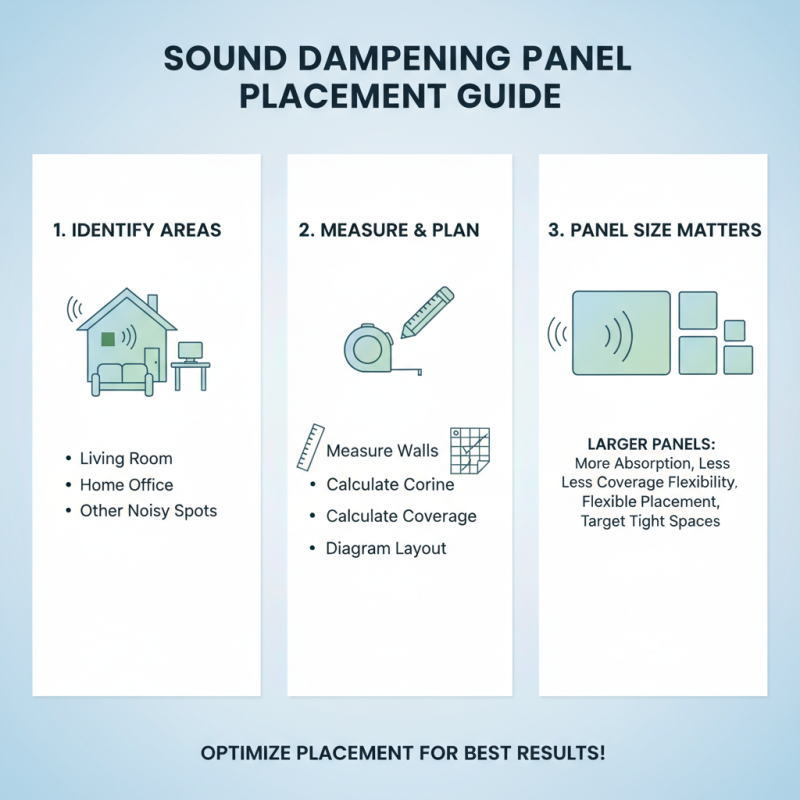
When installing sound dampening panels, placement is everything. Start by identifying the most affected areas in your home. Common spots include living rooms and home offices. Measure the walls you plan to cover. The size of your panels impacts effectiveness. Larger panels can absorb sound more efficiently, yet smaller ones can fit into tight spaces better.
Think about the room's layout. Corners tend to amplify sound. Placing panels in these areas can greatly reduce echo. Consider the height of your panels as well. Installing them at ear level enhances sound quality during conversations or while watching TV.
Don't be afraid to experiment with different placements. You may find that adjusting a panel just slightly can make a big difference in sound quality. Keep in mind that aesthetics also matter. Choose a design that complements your home. Sometimes, trial and error is necessary. Reflect on how each panel affects the overall ambiance. Your home should be a peaceful retreat.
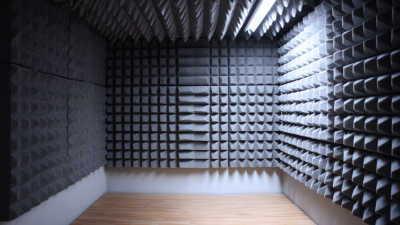
Creating a quieter home environment in 2026 is achievable with the right sound dampening panels. These panels can drastically reduce noise levels. Materials vary widely, including foam, fabric, and even wood. Each option has unique features. For instance, foam panels are lightweight and easy to install. They absorb sound effectively but may lack aesthetic appeal. This is an important consideration.
Fabric panels, on the other hand, offer both design and functionality. They come in various colors and styles, fitting seamlessly into different decor themes. However, their thickness can limit space, making placement a challenge. Thinner panels exist, yet they may not provide adequate noise insulation. This is where balancing form and function becomes crucial.
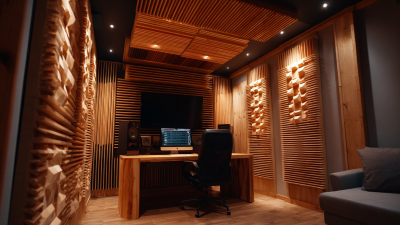
Wood panels offer a different approach. They bring warmth and elegance to any room. While they effectively dampen sound, installation can be complex, requiring proper tools and expertise. Not every homeowner may feel equipped to tackle this project. It's essential to weigh the benefits against the potential hassle. The aim is to create a serene atmosphere, not add stress to your life.
| Panel Type | Material | Thickness (inches) | NRC Rating | Dimensions (inches) | Color Options |
|---|---|---|---|---|---|
| Acoustic Foam Panel | Polyurethane Foam | 2 | 0.95 | 12 x 12 | Black, Grey, Dark Blue |
| Fabric Wrapped Panel | Fiberglass | 1 | 0.85 | 24 x 48 | Red, Blue, Green |
| Bass Trap | Rockwool | 4 | 1.00 | 12 x 12 | Brown, Grey |
| Wooden Acoustic Panels | Plywood | 0.75 | 0.70 | 24 x 24 | Natural, Stained |
| Perforated Acoustic Panels | MDF | 1.5 | 0.90 | 48 x 96 | White, Black |