
Please ensure Javascript is enabled for purposes of website accessibility

10 Best Sound Absorbing Panels for Ultimate Noise Reduction?

In today’s world, noise pollution is a growing concern. Whether in homes, offices, or creative studios, finding ways to reduce unwanted sound is essential. Sound Absorbing Panels serve as a practical solution, enhancing acoustic comfort in various environments. Renowned acoustic expert Dr. Emily Thornton emphasizes, "Effective sound absorption is not just about silence; it's about creating a harmonious environment."

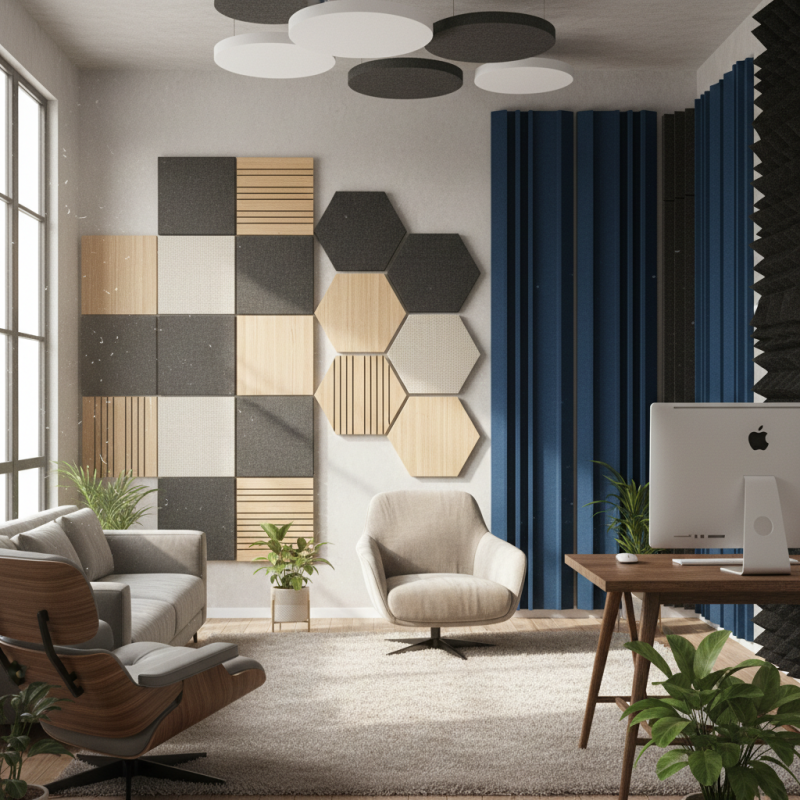
These panels come in various designs and materials, making them adaptable to any space. They can be installed in different areas, such as walls, ceilings, or even in hidden corners. Homeowners often underestimate the impact of background noise. A bustling city or a crowded café can affect concentration and relaxation. Sound Absorbing Panels can mitigate these disturbances, promoting a serene atmosphere.

However, not all panels provide equal results. Some may absorb specific frequencies better than others. This inconsistency can lead to unsatisfactory performance in certain settings. Selecting the right Sound Absorbing Panels requires careful consideration and a bit of trial and error. Reflecting on your needs can help in making the right choices, ensuring you benefit from the best noise reduction available.
10 Best Sound Absorbing Panels for Ultimate Noise Reduction?

Types of Sound Absorbing Panels: Materials and Applications

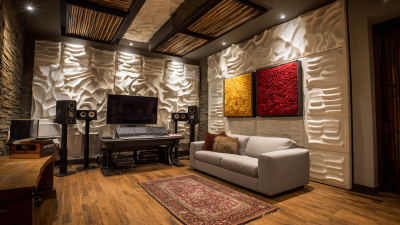
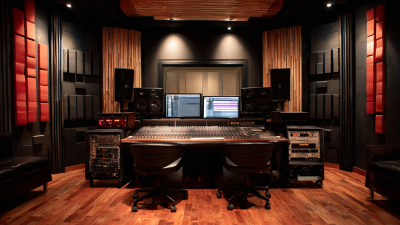
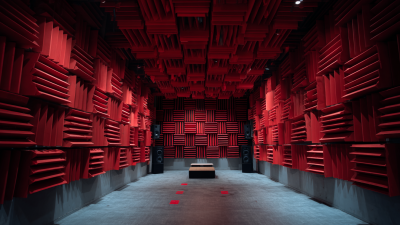
When it comes to sound absorbing panels, various materials and applications stand out. Acoustic foam is popular for its lightweight profile. It can fit in small spaces and provides excellent sound absorption. You often see it in recording studios or home theaters. However, it may not always blend well with decor.

Another common material is fiberglass. This option offers durability and effective noise control. It is often used in commercial settings like offices or schools. The downside? It tends to be a bit more expensive. Installation can also be tricky, requiring professional help.

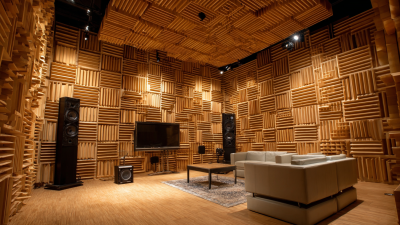
Bamboo panels are an eco-friendly choice. They absorb sound while adding a natural aesthetic to any space. Yet, they might not perform as well in high-noise areas. Experimenting with different materials can lead to unique combinations. Ultimately, the choice hinges on a balance between aesthetics and performance.
Best Sound Absorbing Panels for Ultimate Noise Reduction

Factors to Consider When Choosing Sound Absorbing Panels

10 Best Sound Absorbing Panels for Ultimate Noise Reduction?

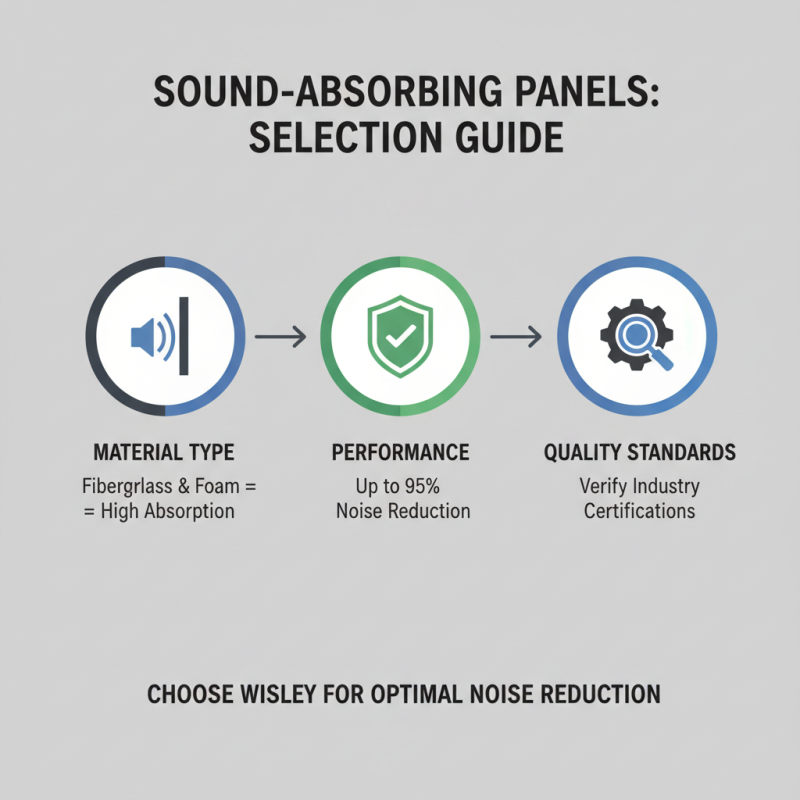
When selecting sound-absorbing panels, several key factors come into play. The material used in the panels greatly affects their effectiveness. For instance, fiberglass and foam are popular choices for their ability to reduce echo. According to a report by the Acoustical Society, these materials can absorb up to 95% of sound frequencies in certain environments. However, not all products on the market are created equal. Some may not meet industry standards, leading to less than optimal noise reduction.

Consider the thickness of the panels as well. Thicker panels generally provide better absorption, particularly for low-frequency sounds. A study from the National Institute of Standards and Technology indicates that panels with a thickness of at least 2 inches perform significantly better in sound insulation. Additionally, placement is crucial; improperly positioned panels might not yield the desired effect. People often overlook the role of wall surfaces. A bare wall reflects sound more than a textured one. Thus, the effectiveness of your panels can drastically change based on your room's specific acoustics.

Top 10 Sound Absorbing Panels for Home and Office Use

When it comes to noise reduction, choosing the right sound-absorbing panels is essential for any space. These panels can significantly enhance the acoustics in both homes and offices. Noise can be distracting, especially in busy environments. The right panels can help create a serene atmosphere.

Selecting panels that match your decor is crucial. Look for a variety of colors and textures. It can impact their effectiveness as well. Dense materials absorb noise better. Installing them in corners and on large walls can enhance their sound absorption capabilities.

**Tip:** Don’t forget about placement. The arrangement can change how sound travels in a room. Experiment with different locations for better results.

Many people overlook size when choosing panels. Larger panels cover more area, but smaller ones can be useful for specific spots. Consider the overall layout of your space. Balance is vital; too many panels in one spot can look cluttered.

**Tip:** Use fabric or art to blend panels into your design. Your space should feel comfortable, not overbearing. Pay attention to your noise levels after installation. Adjustments may be necessary based on your experience.

10 Best Sound Absorbing Panels for Ultimate Noise Reduction

Panel Type Material Thickness (inches) NRC Rating Use Case Color Options
Acoustic Foam Polyurethane 2 0.95 Recording Studios Black, Blue, Gray
Fabric Panels Fiberglass 1 0.80 Offices Brown, Green, Yellow
Wood Panels Recycled Wood 1.5 0.75 Home Theaters Natural, White
Mineral Wool Panels Mineral Fiber 2 0.90 Concert Halls Gray, Blue
Polyester Panels Recycled Polyester 1 0.85 Studios Red, Gray, White

Installation Tips for Optimal Sound Absorption

Creating an effective sound absorption environment involves more than just choosing panels. Installation plays a crucial role in achieving optimal results. According to industry reports, improperly installed panels can reduce sound absorption by up to 50%. Placement matters significantly. Mounting panels directly on walls, especially in corners, can maximize their effectiveness. Aim for a height that aligns with typical ear level to capture sound waves efficiently.

Acoustic panels should not be overlooked in home theaters, offices, or studios. Room layout is important, too. Consider the arrangement of furniture and fixtures. They can interfere with how sound interacts with the panels. Heavy drapes and carpets can enhance the absorption effect when used alongside sound panels. It’s a common mistake to forget these elements.

Regular maintenance is often neglected. Dust and dirt can accumulate on the surfaces, reducing their efficacy over time. Routine cleaning can help maintain their performance. Failing to recognize this may lead to an unexpected rise in noise levels. Take time to review your setup regularly. Making small adjustments can lead to significant improvements in sound quality.

Maintenance and Care for Sound Absorbing Panels

10 Best Sound Absorbing Panels for Ultimate Noise Reduction?

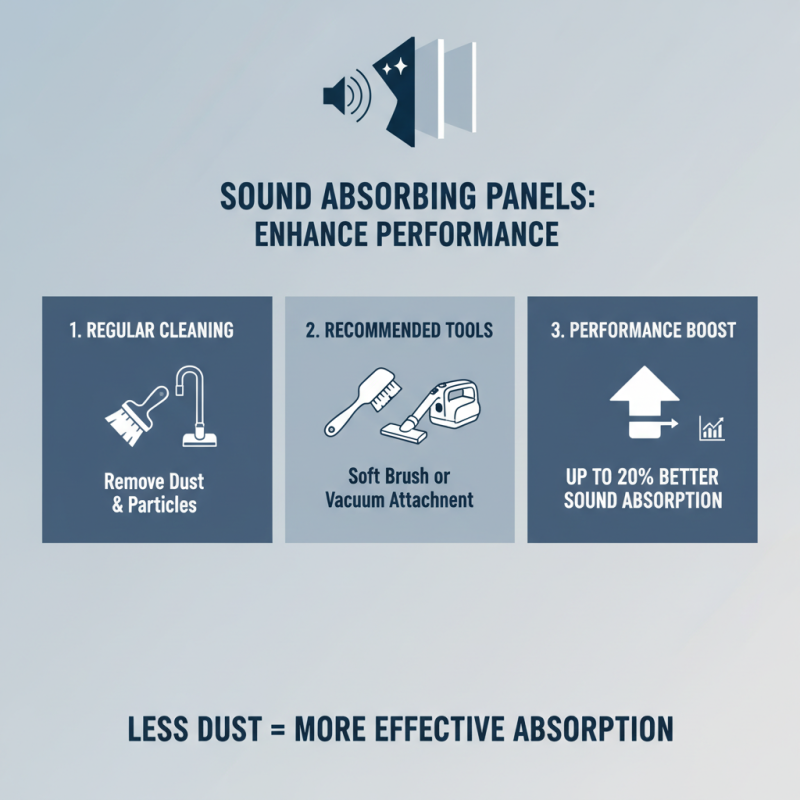
Proper maintenance and care of sound absorbing panels can significantly enhance their performance. Regular cleaning is essential to remove dust and other particles. A soft brush or vacuum attachment should do the trick. Some studies suggest that maintaining cleanliness can improve sound absorption by up to 20%. Think about it—dust can create barriers that diminish the panel’s effectiveness.

Occasionally, inspect for signs of wear or damage. Panels can warp over time, especially in humid conditions. If you notice peeling or deformation, it’s a sign that they need attention. While some panels are durable, others may require replacement after a few years. The lifespan fluctuates based on the material used, with some lasting over a decade, while others may fail sooner.

Additionally, consider the environment where the panels are installed. High humidity can lead to mildew growth. In such cases, using moisture-resistant panels is advisable. This proactive approach could prevent issues that compromise sound absorption. Managing the environment is just as important as the panels themselves. A strategic combination leads to optimal acoustic performance.