

Please ensure Javascript is enabled for purposes of website accessibility

Best Resin Insects for Wholesale Buyers in 2026

In 2026, wholesale buyers need more than eye-catching designs when choosing Resin Insects. Product quality, repeatable finishes, and dependable delivery all affect whether an order works for a retail shelf, gift shop, or educational display. Clear resin, visible insect details, and carefully finished edges can make a piece feel polished. Tiny bubbles, cloudy patches, or uneven coloring can have the opposite effect. Details matter.

A single sample may look excellent, while a full carton reveals inconsistent finishing. That gap is worth checking before placing a large order. Buyers can compare samples, request clear product specifications, and ask how suppliers inspect batches. Confirm dimensions, packaging protection, minimum order quantities, production times, and options for repeat orders. Check that product descriptions match the actual materials and that sourcing information is available where relevant.

Price matters, but the cheapest unit may not offer the best value if damage, variation, or delays create extra work. Even careful checks cannot remove every uncertainty. No checklist is perfect. This guide explores practical Resin Insects options for wholesale buyers, with attention to design, quality, supplier communication, and buying decisions. Use the criteria to compare products against your customers’ needs—and leave room to reassess when samples or delivery results fall short.
Best Resin Insects for Wholesale Buyers in 2026

What Resin Insects Are and How They Are Made

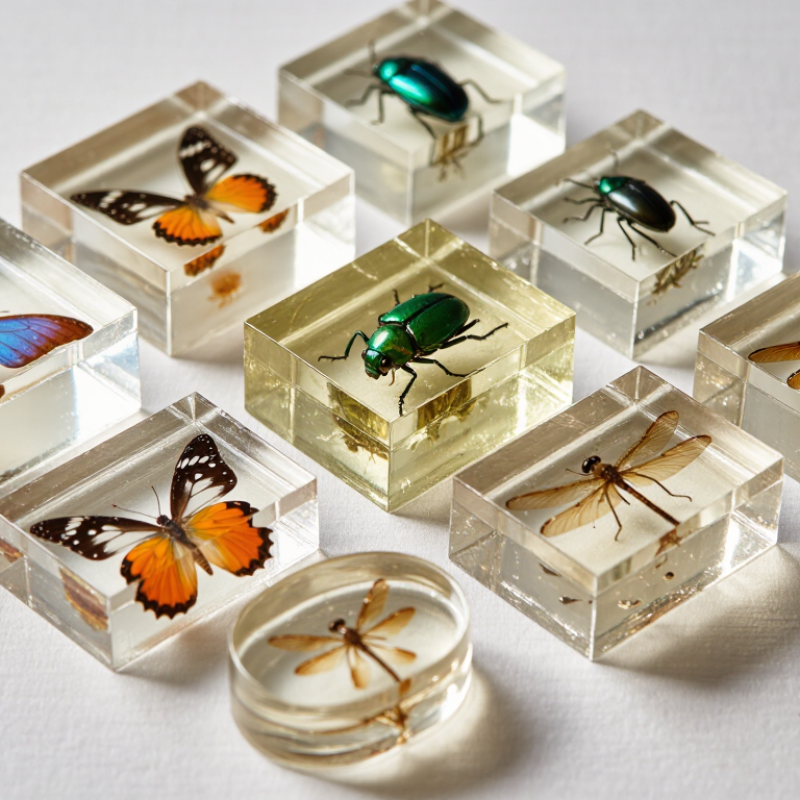
Resin insects are decorative specimens or insect-shaped models sealed inside clear resin. Some pieces contain preserved real insects; others use carefully molded replicas. Buyers should ask which type they are purchasing, since appearance, variation, and care needs can differ. The clear block lets viewers inspect fine details, such as a beetle’s textured wing case or a butterfly’s patterned wings. Small bubbles happen.

Making one begins with selecting and positioning the insect or model in a mold. The maker pours resin in controlled layers, allowing each layer to settle or cure before adding the next. This helps hold delicate legs and antennae in place and can reduce trapped air. After curing, the piece is removed, trimmed, and polished. Details matter.

For wholesale orders, ask how the maker checks clarity, placement, and finish across a batch. Compare sample pieces under natural light; cloudy areas and uneven edges can be easier to spot there. Resin can also shift slightly during curing, so every item may not look identical. That variation is worth discussing before placing a large order. A clear description of materials and production steps gives buyers a more reliable basis for comparing suppliers.

Which Resin Insect Styles Suit Different Wholesale Markets

Wholesale buyers should match resin insect styles to how shoppers will use and display them. Gift shops near nature centers often prefer clear, palm-sized blocks with one sharply visible beetle or butterfly. These pieces are easy to explain and pack, but tiny legs can disappear in cloudy resin. Ask for close-up photos under neutral light, not only polished catalog images.

Museum stores may favor labeled specimens, restrained colors, and a factual card describing the insect’s appearance. Accuracy matters. A decorative piece should not imply that a resin casting is a living specimen or a scientific reference.

Tourist shops often sell better with bright colors, varied shapes, and lower-priced key fobs or desk tokens; families like choosing a favorite. For premium home décor, larger blocks with layered wings or a single dramatic scorpion silhouette can feel substantial on a shelf. Yet oversized pieces raise freight costs and show bubbles more clearly.

Test a small mixed order before committing to one style. Check edge polish, color consistency, packaging strength, and whether the insect remains visible from several angles. Not every buyer agrees. Some customers prefer natural tones, while others reach for vivid hues. That split is useful, but forecasts can still miss.

How to Evaluate Quality, Safety, and Product Durability

Best Resin Insects for Wholesale Buyers in 2026

When evaluating resin insects, inspect more than the painted surface. Check for cracks around thin legs, uneven seams, cloudy patches, and sharp edges. Small details matter. Compare several pieces from the same sample batch; color and wing placement should look reasonably consistent. Ask suppliers what resin is used and whether relevant safety documentation is available for your intended market and customer age group. A strong smell or sticky finish deserves follow-up, not guesswork. If products may reach children, assess small-part and breakage risks carefully. Do not rely on appearance alone.

Durability needs practical checks. Handle the pieces, rub painted areas gently with a soft cloth, and inspect how securely delicate parts are attached. Resin can chip if dropped, while prolonged sunlight may dull some colors. Ask how products are packed for shipping; loose pieces can scrape one another before reaching your warehouse. Request samples from more than one production run when possible. A sample is useful, but it cannot prove every future batch will match. That limitation is easy to overlook. Record defects, measurements, and finish differences, then agree on clear inspection criteria before placing a large order.

How to Compare Suppliers, Pricing, and Minimum Order Quantities

Wholesale buyers should compare resin insect suppliers by more than catalog photos. Ask for a sample showing wing edges, paint coverage, and base stability. Check it closely. Small flaws matter. Request the same species, size, and finish quoted for production, since samples can differ from bulk runs. Also ask how pieces are inspected and what happens if a shipment arrives with cracked legs or cloudy resin. Clear answers help.

Compare prices at matching quantities and specifications, not just the unit figure. One quote may exclude individual boxes, protective inserts, or freight, while another includes them. Ask for price breaks at several order levels, and confirm whether mixed designs count toward the minimum order quantity. Get timelines in writing. Production and packing can add weeks. Before paying a deposit, calculate landed cost per sellable piece, including expected damage and replacement terms. That estimate is imperfect. Still, it beats assuming every piece will arrive shelf-ready. Low minimums can help test demand, but unit costs may rise sharply. Large orders lower costs, yet tie up cash in slow-moving designs. Check carton dimensions too; resin figures need cushioning, and bulky boxes can erase apparent savings.

What Trends Will Shape Resin Insect Buying in 2026

In 2026, resin insect buying will favor pieces that look convincing at shelf distance and reward a closer look. Wholesale buyers should compare wing clarity, leg attachment, color consistency, and visible bubbles across several samples. Clear wings, amber tones, and carefully patterned beetles can catch attention under store lighting. Small details matter. Ask suppliers for repeat-order samples; one attractive piece does not prove a whole batch will match.

Practical display options are also likely to shape orders. Compact assortments, labeled specimen-style cards, and protective individual packaging help retailers merchandise small items without extra work. Buyers may request mixed species or colors in manageable quantities, especially when testing a new category. Packaging should keep delicate antennae and legs from pressing against hard surfaces. Check this in transit, not just on a showroom table.

Interest in material transparency may grow, too. Request clear information about resin composition, finishing, and packaging materials, then keep those details with purchasing records. Avoid relying on vague claims such as “eco-friendly” without supporting information. Not every buyer needs another perfectly glossy beetle; that assumption can lead to overstock. Still, trends are not guarantees. Review sell-through by design and season, and adjust reorder quantities using actual customer response rather than display appeal alone.

Best Resin Insects for Wholesale Buyers in 2026

What trends will shape resin insect buying in 2026?

Natural-looking specimens and educational value are useful themes to consider when planning a wholesale assortment. Scores are qualitative editorial assessments, not measured sales data; public datasets do not separately track wholesale sales of resin insect products.