

Please ensure Javascript is enabled for purposes of website accessibility

Best LiFePO4 Battery Manufacturers in China

China is home to many manufacturers of lithium iron phosphate batteries, but choosing a supplier takes more than comparing prices. A Lifepo4 Battery may power an electric vehicle, solar storage system, or industrial backup unit. Each use places different demands on capacity, cycle life, safety controls, and operating temperature. The right manufacturer should understand those demands and explain them clearly.

This guide looks at practical factors behind a credible shortlist: cell sourcing, pack design, battery management systems, production quality checks, and after-sales support. Ask how a company tests capacity and temperature performance. Request sample test reports, warranty terms, and details about production traceability. Details matter. A well-made product brochure is useful, but it cannot replace verifiable technical information or direct answers from an engineering team.

No single Chinese manufacturer is the best fit for every buyer. Some excel at custom battery packs, while others focus on standardized products or large-volume supply. Manufacturing scale alone does not guarantee consistent quality. Compare suppliers against your project’s voltage, capacity, installation conditions, and expected service life. Ask for evidence. Even a careful review has limits: specifications can change, and advertised performance may depend on test conditions. The manufacturers discussed here offer a starting point for research, not a substitute for checking current documentation and evaluating samples before making a purchase.
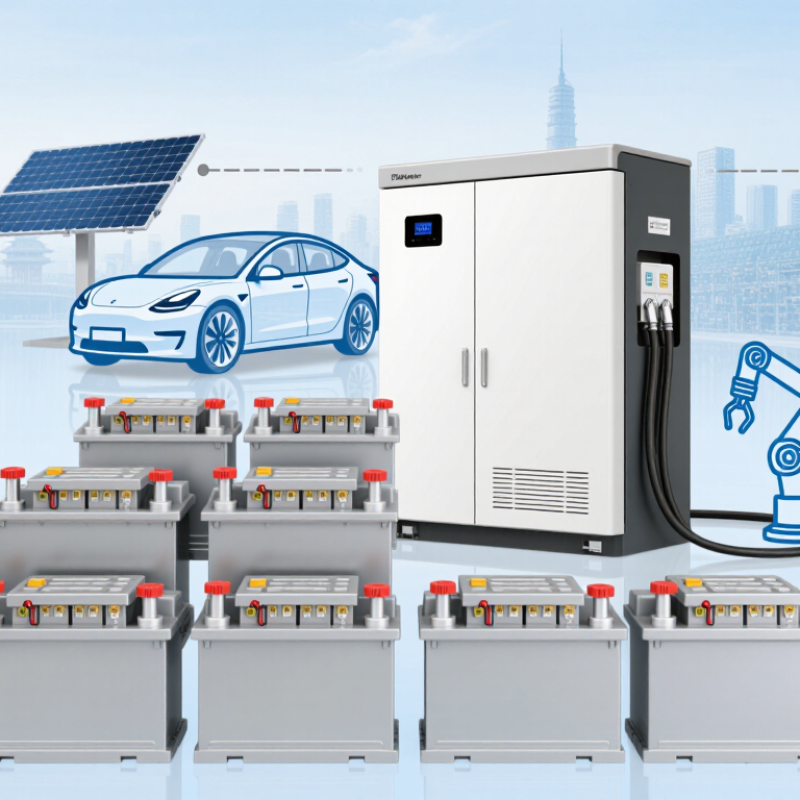
Best LiFePO4 Battery Manufacturers in China

LiFePO4 Battery Manufacturing in China: Industry Overview

China’s LiFePO4 battery industry spans material processing, cell manufacturing, pack assembly, and testing. Some factories operate highly automated lines; others focus on custom battery packs for vehicles, energy storage, or industrial equipment. That range matters. Cell quality depends on consistent electrode coating, controlled moisture, and careful formation, where cells receive their first charge and discharge. Pack makers then match cells, connect them, and integrate a battery management system. Small process variations can affect capacity and service life.

The chemistry is valued for thermal stability and long cycle life, though actual performance depends on design, operating temperature, and charging habits. Numbers on a specification sheet are not enough. Buyers should review capacity-test methods, batch traceability, and protection-system checks, and ask how finished packs are tested under realistic loads. Consistency takes work. A strong production setup may include cell grading, weld inspection, and temperature monitoring during pack tests. Still, supplier practices are not perfectly uniform, and documentation can leave practical questions unanswered. A factory visit or independent sample assessment may reveal gaps that polished product sheets do not. Industry growth is substantial, but dependable quality is built through repeatable controls, not production volume alone.

Leading LiFePO4 Battery Manufacturers in China

Leading LiFePO4 battery manufacturers in China stand out through process control, not polished brochures. Buyers should examine cell consistency, electrode coating records, and batch-level traceability. Ask how the factory tests capacity, internal resistance, and performance after repeated charge cycles. Details matter.

The International Energy Agency’s Global EV Outlook 2024 reports that LFP batteries supplied about 40% of global electric-car battery demand in 2023, up from less than 10% in 2020. The report also notes that production is concentrated in China. This scale supports deep supplier networks, but it does not guarantee quality. A capable manufacturer should provide clear test methods, realistic operating-temperature data, and evidence that production batches match approved samples.

For a practical assessment, request sample test reports and compare them with independent laboratory results. Ask how the factory handles cell imbalance and investigates early capacity loss. A neat showroom proves little. Factory audits take time, and even strong suppliers can have weak documentation; that is worth checking rather than assuming away. Also confirm whether quoted cycle life reflects controlled laboratory conditions or the temperatures and charging habits expected in actual use.

LiFePO₄ Battery Manufacturing in China: Representative Cell Discharge Profile

This representative curve shows the relatively flat voltage plateau typical of a lithium iron phosphate (LiFePO₄) cell during discharge. Values are illustrative, not measurements from a specific manufacturer; actual voltage varies with cell design, load, temperature, and test conditions.

Core Technologies and Production Capabilities

Best LiFePO4 Battery Manufacturers in China
Core Technologies and Production Capabilities

LiFePO4 performance depends on more than cell chemistry. Precise electrode coating, controlled moisture, consistent particle mixing, and stable formation cycles all affect capacity and service life. The International Energy Agency reported that LFP batteries reached nearly 40% of the global electric-car battery market in 2023. That growth raises the bar for reliable production. Buyers should look for documented controls at each stage, not just impressive factory equipment.

A capable manufacturer should test cell capacity, internal resistance, voltage consistency, and performance across temperature ranges. Automated sorting and batch-level traceability help identify variation before cells enter a battery pack. Ask how production lines handle aging tests and how results are recorded. A polished factory tour is useful, but it cannot replace test records. Even a well-controlled process can have occasional variation; transparent corrective-action procedures matter.

Tips: Request sample test reports and confirm that specifications match the intended use. Compare several production batches, not one showcase sample. Small differences matter.

Best LiFePO4 Battery Manufacturers in China - Core Technologies and Production Capabilities

Evaluation Dimension Core Technology or Industry Reference Production Capability to Assess Evidence to Request
Cell chemistry and voltage control LiFePO4 cells commonly have a nominal voltage of about 3.2 V. Charge limits and discharge cutoffs depend on the cell design and must follow its datasheet. Ability to control cell consistency and configure cells appropriately for the target pack voltage. Cell datasheets, voltage limits, approved operating conditions, and incoming-material inspection records.
Electrode and cell manufacturing Typical cell production includes slurry mixing, electrode coating and drying, calendaring, electrode assembly, electrolyte filling, formation, aging, and grading. Process controls, equipment suitability, environmental controls, and traceability across each production stage. Process flow, quality-control checkpoints, equipment list, and sample batch records.
Cell matching and grading Capacity, internal resistance, and voltage are commonly checked when cells are graded and assembled into packs. Consistent cell selection and matching, with recorded test results linked to individual cells or production batches. Grading criteria, test-method descriptions, batch records, and sample cell test reports.
Battery management system (BMS) A BMS typically monitors cell voltage, pack current, and temperature, and may provide balancing and protective functions. Appropriate protection settings, sensing accuracy, fault handling, and compatibility with the intended inverter or application. BMS specifications, protection thresholds, communication protocol details, and validation test results.
Pack safety and mechanical design Pack safety depends on cell selection, electrical protection, thermal design, enclosure design, and the intended installation environment. Documented design controls for insulation, connections, temperature limits, and enclosure protection where specified. Pack drawings, safety test reports, installation instructions, and applicable ingress-protection test results.
Cycle-life claims Cycle life is condition-dependent; results can vary with temperature, charge and discharge rates, depth of discharge, and the chosen end-of-life capacity threshold. Ability to substantiate claimed performance using defined, repeatable test conditions rather than an unqualified cycle-count figure. Test conditions, capacity-retention criterion, test report, and warranty terms.
Production quality system Quality management systems support process control and corrective action; certification scope and validity should be checked directly. Documented inspection, nonconformance handling, supplier control, and lot-level traceability. Current certificates, certification scope, audit records, and sample traceability documentation.
Transport and product compliance UN 38.3 addresses lithium battery transport testing. Other applicable standards depend on product type, market, and installation. Ability to provide documentation that matches the exact cell or battery model being offered. Model-specific UN 38.3 test summary and relevant market-specific safety or conformity documents.
Manufacturing capacity and delivery Nominal factory capacity alone does not establish actual output, available capacity, or delivery reliability. Capacity planning, production scheduling, component availability, and ability to scale orders while maintaining quality controls. Recent production schedule, lead-time assumptions, capacity evidence, and sample on-time delivery records.
After-sales and product lifecycle support Battery performance and safe operation depend on correct installation, operating limits, and timely handling of faults. Defined warranty process, technical support, spare-parts arrangements, and procedures for product updates or end-of-life handling. Written warranty, service-response process, troubleshooting documentation, and recycling guidance.

This is a supplier-evaluation framework, not a ranking or a claim about any specific manufacturer. Technical limits and compliance requirements vary by cell, battery model, application, and destination market; verify current model-specific documentation before purchasing.

Quality Standards, Certifications, and Safety Requirements

When evaluating LiFePO4 battery manufacturers in China, examine the evidence behind each quality claim. Ask for test reports tied to the exact cell, pack design, and production site. A certificate for one product does not automatically cover every configuration.

Useful checks include IEC 62619 testing for applicable industrial batteries and UN 38.3 test documentation for transport. ISO 9001 can indicate a quality management system, but it does not prove that a battery performs safely. Paperwork matters. Verify report numbers, dates, test scope, and issuing laboratories. Requirements vary by destination and application, so confirm current rules with qualified assessors.

Factory controls deserve equal attention. Ask how incoming cells are inspected, matched, and traced by batch. Review records for capacity, voltage consistency, insulation, and end-of-line protection tests. A battery management system should respond to overtemperature, overcurrent, and abnormal voltage conditions. Request evidence from fault testing, not just a feature list. The details can be unglamorous: a loose connection or weak seal may matter more than a polished brochure. No single test catches every failure, and suppliers may not share every production weakness. That uncertainty deserves careful follow-up.

How to Evaluate and Select a Chinese Manufacturer

Best LiFePO4 Battery Manufacturers in China

How to Evaluate and Select a Chinese Manufacturer

Choosing a Chinese LiFePO4 manufacturer takes more than comparing quoted prices. Ask for cell-level test data, pack drawings, and the battery management system’s protection settings. A capable supplier should explain capacity tests, temperature limits, cycle-life conditions, and warranty exclusions clearly. Request reports linked to the exact cell model and production batch, not a generic product sheet. A 100 Ah label alone proves little.

Tips: Ask for a sample and inspect its casing, labels, connectors, and documentation. Confirm the quoted capacity test conditions. Compare the sample with a production unit if possible.

Check how the factory manages incoming cells, assembly, and final inspection. Ask whether it can share anonymized quality records and explain how it handles defective units. Verify that the proposed pack fits your operating temperature, charging profile, and installation space. A video call can help, but it cannot replace a factory audit or independent testing. No checklist removes every risk; supplier documents can be incomplete, and that deserves a follow-up question. Keep written answers, agreed specifications, and test results together before placing an order.