
Please ensure Javascript is enabled for purposes of website accessibility

What is Acoustic Wall Art and How to Use It in 2026?

In recent years, the demand for acoustic wall art has surged. Reports suggest that the global market for sound-absorbing materials will reach $12 billion by 2026. Many businesses and homes are now recognizing the importance of sound quality in their spaces. Acoustic wall art serves dual purposes: it enhances aesthetics while reducing noise levels.

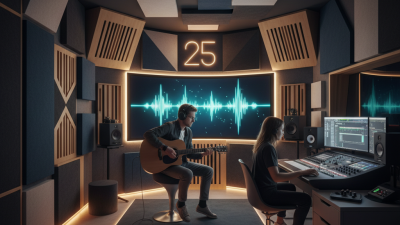
Using acoustic wall art can transform a room. Functional artistry can be showcased in offices and cafes, where noise can be distracting. According to industry experts, effective sound management can improve employee productivity by up to 25%. While many embrace this trend, some struggle to find the right balance between sound control and style.

Though there are various options available, not every design fits every environment. Choosing the right pieces requires careful consideration. The fusion of texture, color, and functionality shouldn't be overlooked. As we approach 2026, the relevance of acoustic wall art continues to grow. It's an opportunity to rethink space and sound, creating a more harmonious world.
What is Acoustic Wall Art and How to Use It in 2026?

What is Acoustic Wall Art? Understanding the Concept and Purpose

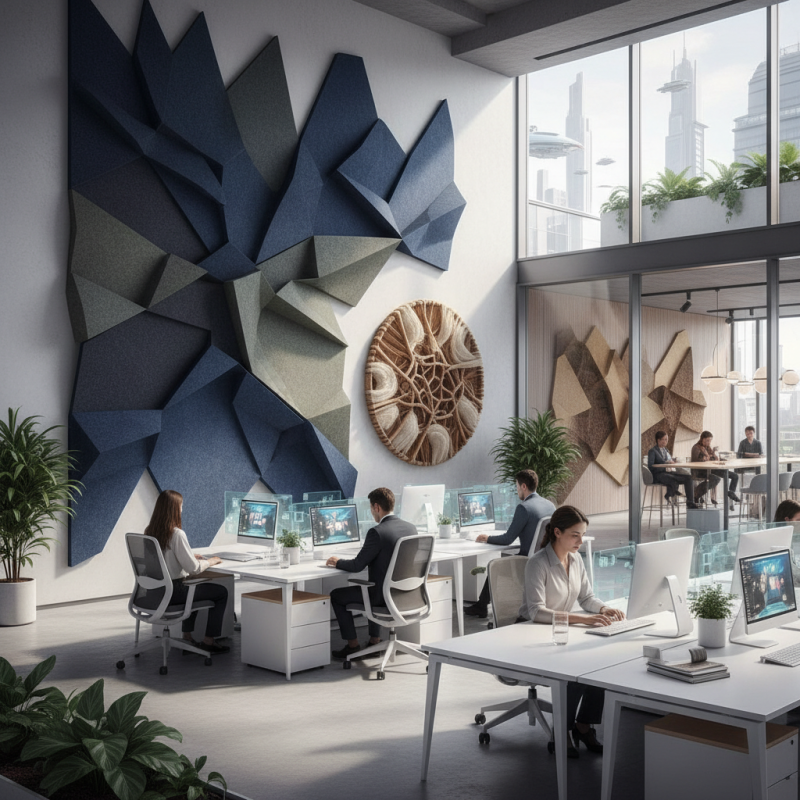
Acoustic wall art is an innovative concept. It combines aesthetics with functionality. Its primary purpose is to enhance sound quality in a space. Research shows that poor acoustics can hinder communication and productivity. In modern offices, noise is a significant distraction. According to industry reports, 70% of workers find noise to be a major issue.

Incorporating acoustic wall art helps absorb sound. Panels come in various designs, textures, and colors. This makes them versatile for any environment. Try using bright colors for a lively atmosphere. On the other hand, muted tones may create a calm space. Think about how these choices affect mood. Sometimes, blending art with functionality can be challenging. Striking the right balance takes careful consideration.

Tips: Measure your space before selection. Choose pieces that resonate with your style. Don’t forget to consider the acoustics in your room layout. A beautiful piece might disrupt the sound flow instead of enhancing it. Be mindful of how art interacts with sound. Understanding this can lead to better choices.
The Benefits of Acoustic Wall Art for Noise Reduction and Aesthetics

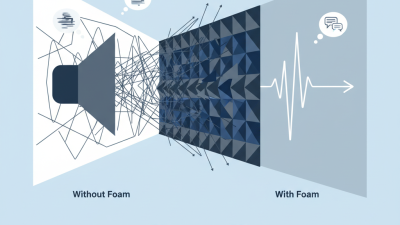
Acoustic wall art offers unique benefits for noise reduction and aesthetics. It combines functionality with style, making any space more inviting. The textured surfaces absorb sound waves, reducing echo and overall noise levels. This creates a quieter environment that enhances focus and productivity. Imagine a bustling office or a noisy cafe transformed into a serene workspace.

Incorporating acoustic wall art is not always straightforward. The design choices are vast, from colorful abstract pieces to soft, minimalist designs. Each piece affects the mood and vibe of a room. Sometimes, the chosen artwork might clash with existing decor. Ensuring a harmonious blend requires careful consideration.

Wall art can also lead to more reflective spaces. Bright colors may energize a room, while muted tones can promote calm. Choosing the wrong piece could overwhelm the senses. It’s essential to consider how art interacts with natural light and other elements. Balancing aesthetics with functionality is key to creating the perfect atmosphere.

Types of Acoustic Wall Art: Materials and Styles Available in 2026

Acoustic wall art is gaining popularity in 2026. People are discovering its aesthetic and functional benefits. It enhances room design while improving sound quality. There are various materials and styles available to suit different tastes and environments.

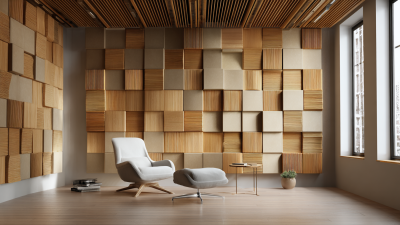
Fabrics are a common material for acoustic wall art. They can absorb sound effectively and come in multiple textures. Wood is another popular choice, offering a warm and natural look. It can be carved into various shapes, adding a unique touch. Foam panels are also widely used; they come in vibrant colors and simple designs, providing flexibility for modern spaces.

In terms of style, minimalism is trending. Many prefer sleek and understated designs that fit seamlessly into their interiors. Others lean toward bold patterns and bright colors to make a statement. It’s crucial to choose artwork that resonates with your personal style. Reflect on the ambiance you want to create. The right choice can elevate your space, but not all designs deliver the desired effect.

Acoustic Wall Art Trends in 2026

How to Choose the Right Acoustic Wall Art for Your Space

What is Acoustic Wall Art and How to Use It in 2026?

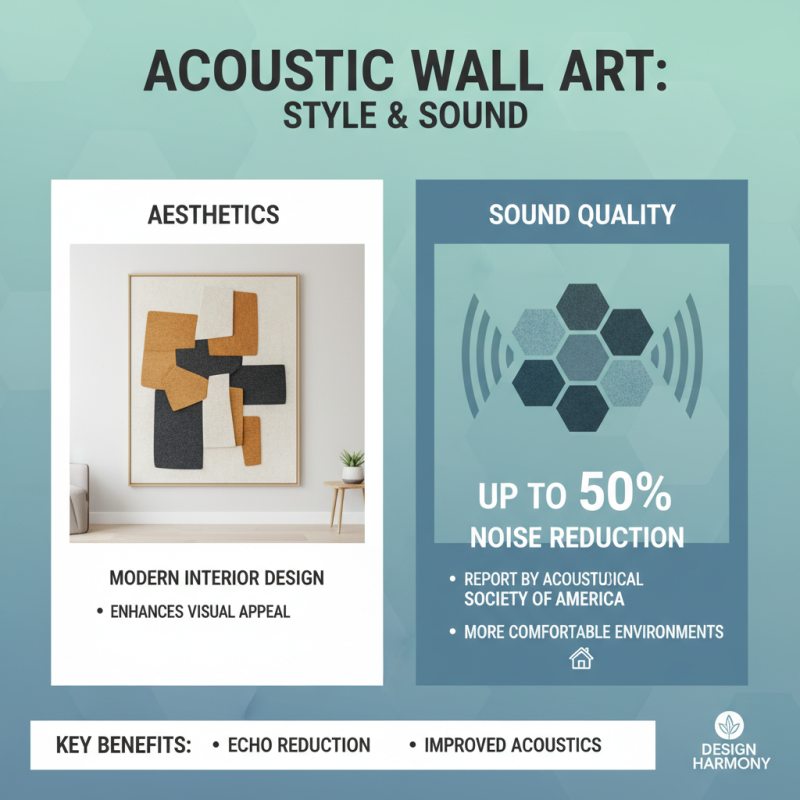
Acoustic wall art has become increasingly popular in modern interior design. Choosing the right piece for your space can significantly impact both aesthetics and sound quality. A report by the Acoustical Society of America states that well-designed acoustic panels can reduce sound levels by up to 50%. This effective sound control can create a more comfortable environment, especially in open spaces or crowded areas.

When selecting acoustic wall art, consider the intended use of your space. Offices benefit from art that absorbs sound waves, enhancing employee focus. Homes, on the other hand, may require art that reflects personal style while minimizing noise. Measurements matter. Properly sized panels can maximize sound absorption. A design choice that looks great may not perform optimally. Some art may look sleek but lacks functional efficiency.

Texture is another factor to consider. Soft surfaces tend to absorb more sound than hard options. Incorporating varied materials can heighten visual interest and acoustic performance. The challenge lies in balancing beauty with functionality. With careful selection, you can achieve a harmonious blend of sound control and artistic expression. Selecting the right acoustic wall art requires both creativity and a critical eye for detail.

Tips for Installing and Maintaining Acoustic Wall Art Effectively

Installing acoustic wall art can be a rewarding experience. Start by selecting a location that needs sound absorption. Areas like home offices or music studios are ideal. Ensure the wall is clean and dry. This helps the adhesive or mounting materials stick better. Measure twice before cutting. Precision is crucial for a neat look.

When preparing to hang your pieces, consider the height and spacing. You want them to be visually appealing. Using different textures can enhance sound absorption. However, mixing too many styles might overwhelm the space. Don’t rush this process; take your time.

Maintaining your acoustic wall art requires some attention. Dust can accumulate and affect performance. Regular cleaning with a soft cloth is beneficial. Over time, colors may fade. It's essential to reflect on whether to replace or refresh them. Think about how the art fits into your evolving space. These pieces should grow with you, adapting to new styles or needs.