2026 Best Types of Sheet Metal Top Covers for Buyers
When buyers compare the best types of Sheet Metal Top Covers in 2026, the right choice depends on more than appearance. A Sheet Metal Top Cover may protect electrical enclosures, machinery, cabinets, or outdoor equipment from dust, contact, and weather. Its performance depends on material, thickness, finish, forming method, and installation details. Small differences matter.
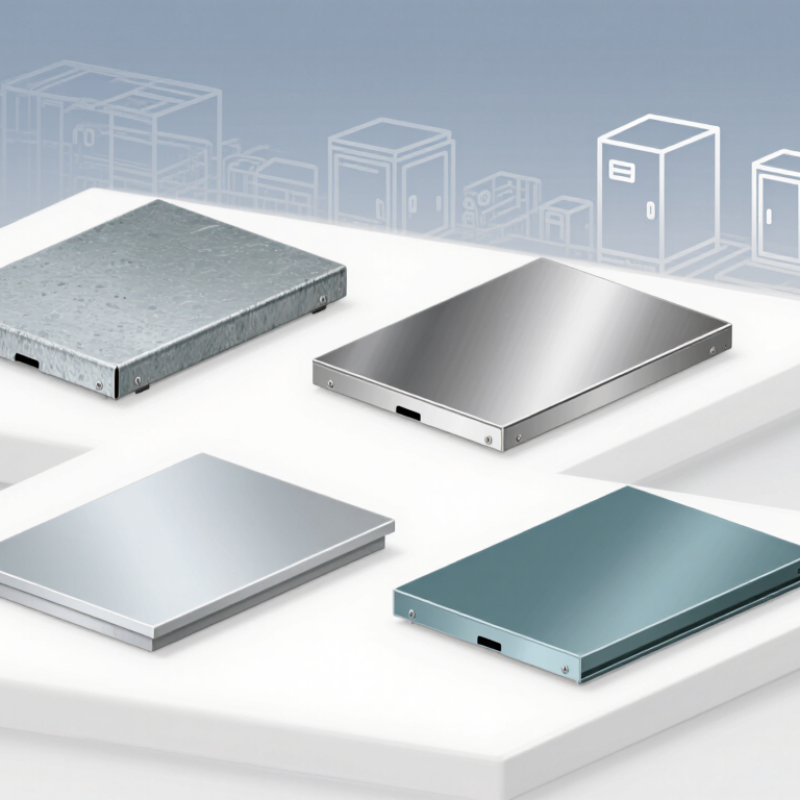
Common options include galvanized steel, stainless steel, aluminum, and pre-painted steel. Galvanized steel offers a practical balance of strength and cost for many indoor or sheltered uses. Stainless steel suits corrosive or frequently cleaned environments, though its higher price may not be justified everywhere. Aluminum is lighter and naturally corrosion resistant, but buyers should check stiffness and dent resistance. Pre-painted steel provides a ready-made finish and can simplify production. It is not automatically the best choice outdoors.
Look closely at the application. Will the cover face rain, heat, vibration, or repeated opening? Check edge returns, mounting holes, drainage, gasket contact, and coating compatibility. Ask suppliers for drawings, material grades, thickness tolerances, and finish samples. Reliable specifications are more useful than broad claims. A test fit can reveal trouble early.
There is no universal winner. That is worth remembering. A thicker cover may feel safer, yet it can add weight and cost without improving the real failure point. Buyers should compare expected service conditions, maintenance needs, lead times, and total cost before choosing. Product data and sample inspection help, but they cannot replace checking the actual assembly. That extra review is easy to skip. It should not be. This guide outlines the main cover types and the trade-offs that help buyers make a defensible decision. Each project still deserves its own review.
What Sheet Metal Top Covers Are and How They Protect Equipment
A sheet metal top cover is a formed panel fitted over the upper part of an enclosure or machine. It creates a physical barrier between sensitive components and falling dust, drips, tools, or accidental contact. Depending on its shape and fit, it can also help stiffen the enclosure. Common materials include steel and aluminum; the right choice depends on weight, corrosion exposure, and the equipment’s surroundings. A cover alone does not make equipment waterproof or dust-tight.
Tips: Check the edges and fasteners. Small gaps matter. Confirm that vents remain clear, and leave room for cables or service access. Measure twice before ordering a custom panel.
Protection depends on the details. A close-fitting cover with secure fasteners is less likely to rattle loose when machinery vibrates. Hemmed edges can reduce sharp exposed corners, while a suitable finish can slow surface corrosion. Heat needs attention, too: a solid cover may trap warm air, so ventilation or spacing may be necessary. There is a trade-off between blocking contaminants and allowing cooling. It is easy to overlook that during selection. Match the cover to the actual environment, then inspect it periodically for loose hardware, dents, and worn seals.
Which Materials Suit Different Top Cover Applications
For indoor machinery covers, galvanized steel is a practical choice: it is rigid, widely available, and suits formed panels with folded edges. Cut edges and drilled holes can expose bare steel, so specify touch-up protection where moisture is likely. Stainless steel fits washdown areas and food-processing equipment; grade 304 works in many indoor settings, while 316 offers better resistance to chloride exposure. Details matter. Crevices around hinges and fasteners can still trap water.
For rooftop equipment or mobile enclosures, aluminum reduces weight and resists atmospheric corrosion, but it dents more easily than steel. The International Aluminium Institute reports that recycling aluminum uses about 5% of the energy required for primary production, a useful consideration when specifying material with end-of-life recovery in mind. For coastal sites, compare 316 stainless steel with a coated aluminum design, then check fastener compatibility and drainage. A material label alone is not enough. World Steel Association’s World Steel in Figures 2024 records 1.89 billion tonnes of crude steel production in 2023, reflecting steel’s established supply base; however, availability does not replace checking the required thickness, finish, and forming tolerances. A small test panel can reveal coating damage at bends before full production.
How to Compare Cover Types by Performance and Cost
For sheet-metal top covers, compare corrosion resistance, weight, forming, and finish cost—not just the sheet price. Galvanized steel is often a practical choice for indoor cabinets and sheltered equipment. It is stiff and widely available, but cut edges and scratches can become weak points in wet environments. Aluminum weighs less and resists corrosion well, though thin panels may flex or dent during handling. Stainless steel suits frequent washdown or corrosive surroundings, but its higher material and fabrication costs can be hard to justify in dry locations. Coated steel offers color and added surface protection; inspect bends and holes, where coatings may be damaged.
Weight matters. The International Aluminium Institute reports that recycling aluminum uses about 5% of the energy required to produce primary aluminum. That figure describes recycling, not the purchase cost or performance of a finished cover. For buyers, compare total installed cost: panel thickness, formed edges, fasteners, finish, and expected replacement frequency. A 1.5-millimeter aluminum cover may be easier to lift than a steel equivalent, but its stiffness depends on its shape and support spacing. Request samples and check edges, seams, and mounting points. I would not choose by alloy alone; real-world exposure and handling can change the ranking.
What Buyers Should Check Before Choosing a Supplier
2026 Best Types of Sheet Metal Top Covers for Buyers
What Buyers Should Check Before Choosing a Supplier
A top cover can look simple: a bent panel, mounting holes, and a clean finish. Yet small errors in flatness, hole position, or coating thickness can complicate assembly. Ask suppliers for a dimensioned drawing, stated tolerances, and a first-article sample. Check the sample against your actual mating parts, not just a screen image. That takes extra time. It can prevent costly rework.
Material traceability matters. Request mill test certificates that identify the alloy, grade, and thickness, then confirm that the supplied batch matches the documents. The World Steel Association reported 1,892.2 million tonnes of global crude steel production in 2023 in World Steel in Figures 2024. That scale says little about any individual supplier’s consistency. Ask how material lots are tracked from receipt through cutting and forming. Also check the specified finish, edge condition, and corrosion-test method; “powder-coated” alone is not a measurable requirement.
Review process capability before placing a large order. Ask how the supplier controls bend angles, burrs, and hole locations, and whether inspection records can be shared. Clarify packaging too: thin covers can arrive scratched or warped if stacked without separators. A factory tour or live process review may reveal practical details, though it cannot replace documented checks. One detail is easy to miss: confirm how design changes are approved and recorded, especially after a sample has been signed off.